PICEA PUN HOOPSII ACORN FARMS

HOOPSII BLUE SPRUCE
PICEA PUN HOOPSII

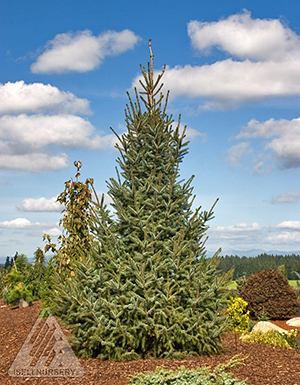
Picea pungens 'Hoopsii'

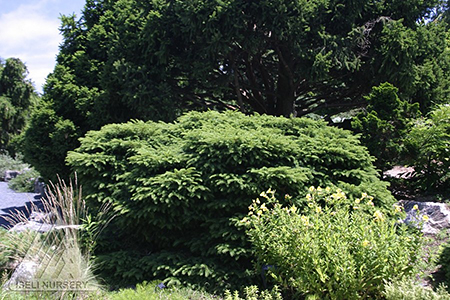
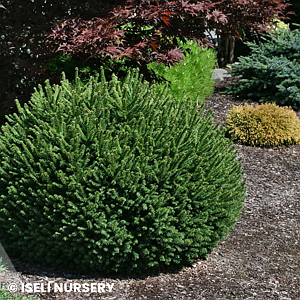
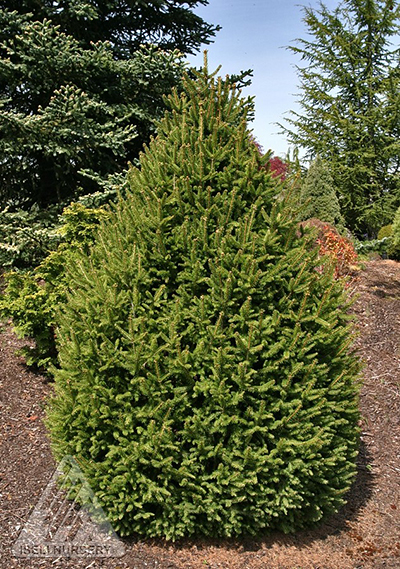
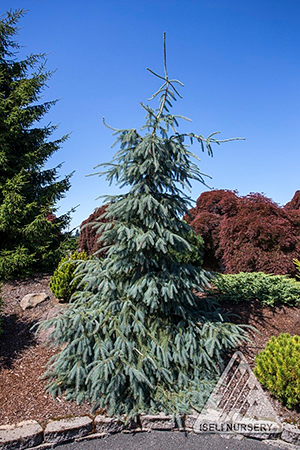
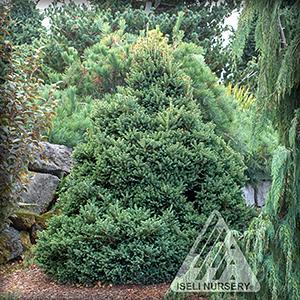
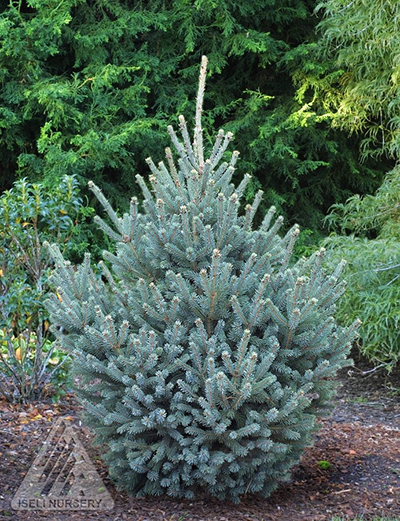
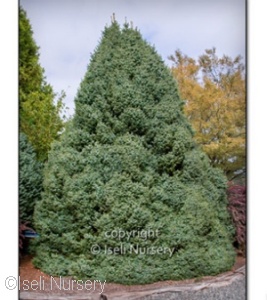
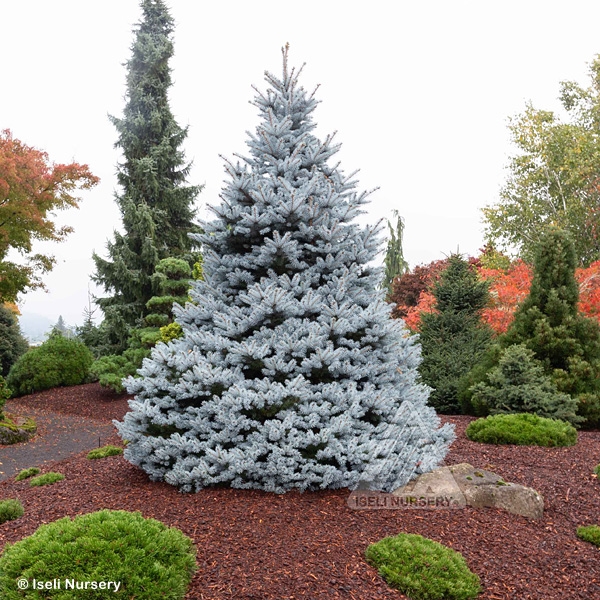
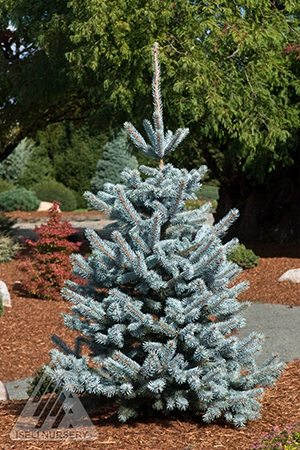
photo courtesy of Iseli Nursery
PICEA PUN HOOPSII
Genus: PICEA
trademark info Protected Series:
Height: 30-40 Feet Tall
Spread: 15-18 Feet Wide
Color: blue green foliage
Full Sun Plants
Full Sun Evergreen Tree Plants
Evergreen Tree
Zone: 2
#3704  


HOOPSII BLUE SPRUCE


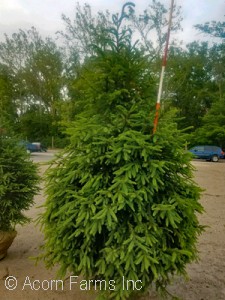
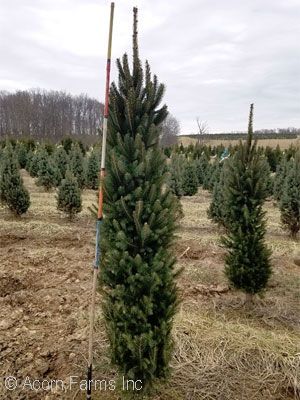
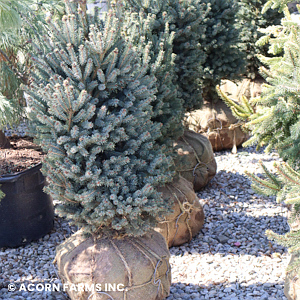
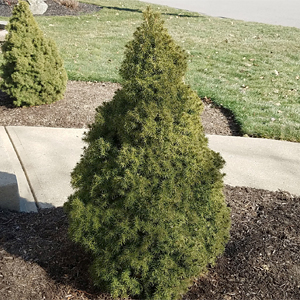
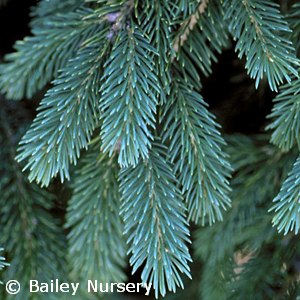
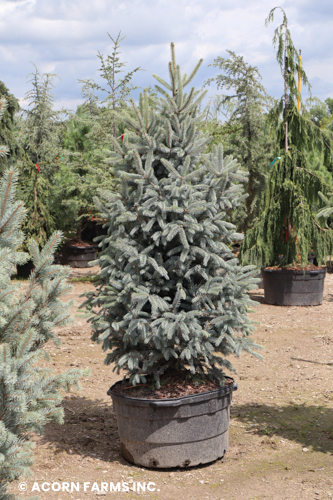
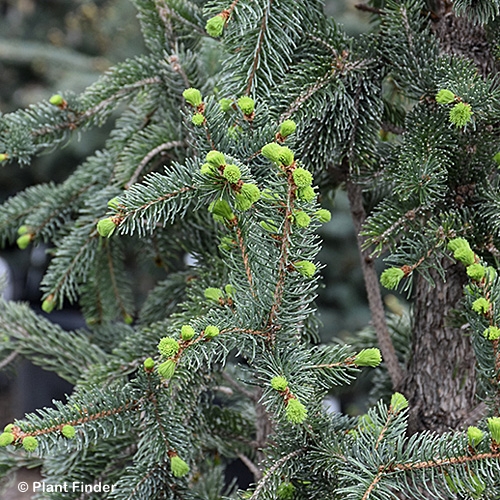
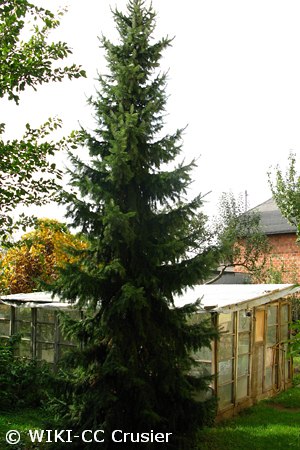
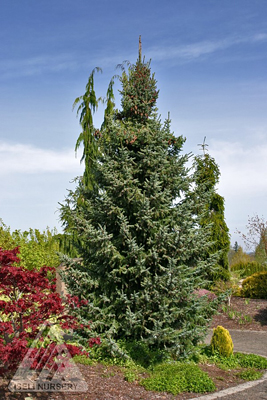
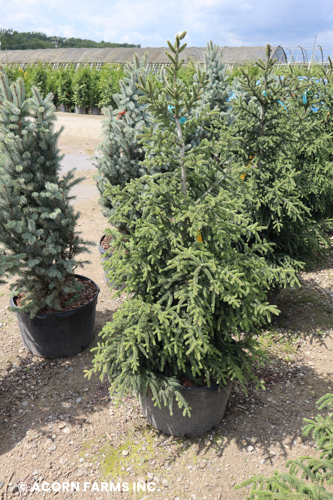
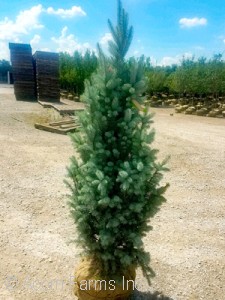
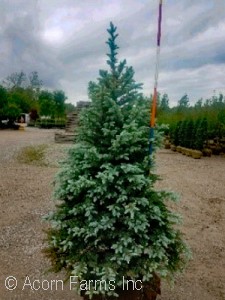
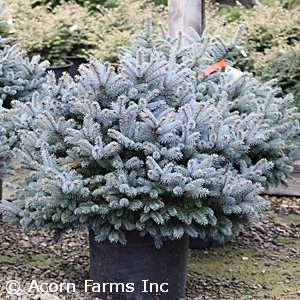
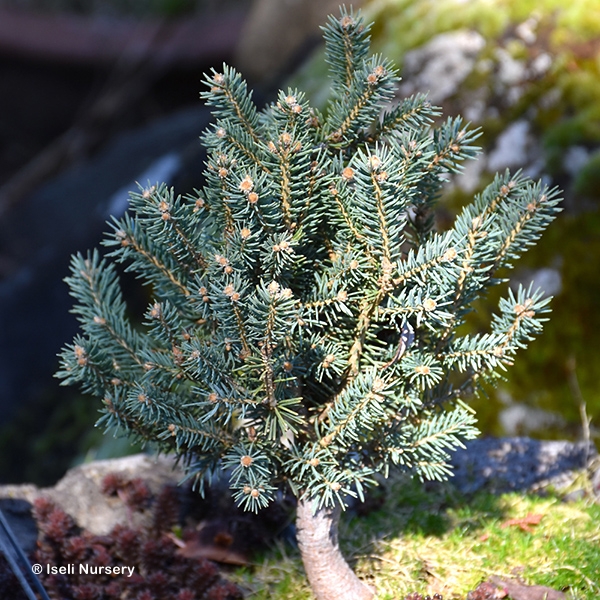
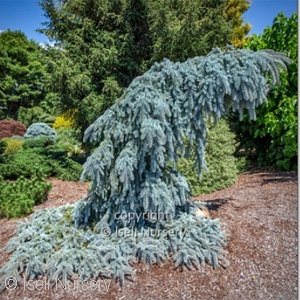
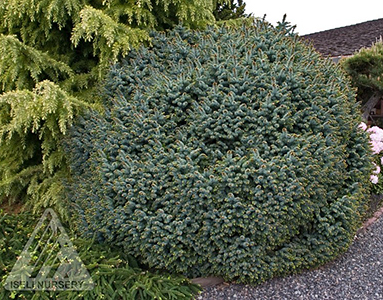
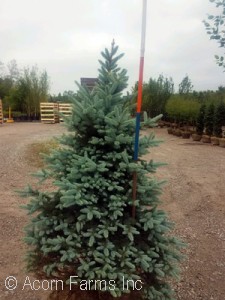
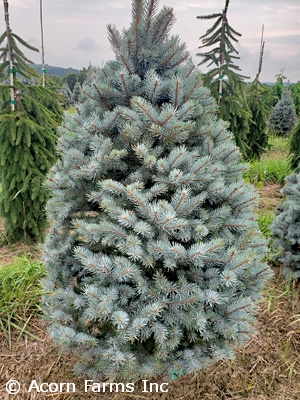
Picea pungens 'Hoopsii' is commonly referred to as the Hoopsii Blue Spruce. It is a dense, upright, pyramidal evergreen that features showy powder blue needles that remain vibrant blue throughout the winter. It is considered to be one of the best blues in this genus.

Hoopsii Spruce thrives in full sun in slightly acidic, evenly moist, well-drained soils. It is considered to be drought tolerance once established. It can tolerate urban pollution and can thrive in city environments. It also tolerates environmental salt well. It prefers cooler climates versus hot and humid. Easy to grow and very popular.


PLANT SIZE TYPE GALENA ADD'L DIG SOON
PICEA PUN HOOPSII 4-5 ft00190
PICEA PUN HOOPSII 5-6 ft6010
PICEA PUN HOOPSII 6-7 ft0020

Current inventory will be listed above this line. This plant will not be in the cart if there is no Galena stock listed. Contact Sales Rep for details. |

KEY:
con = containers - available now
Galena = Above ground and available now
Additional = Remote location, call rep. Not in Shop.
Dig = Still in ground, call rep. Not in Shop (in orange).
Soon = Coming soon, call rep. Not in Shop.

(BBnPOT - formerly known as GRSTART - are B&B put into a container - they are available now)


Other Blue Spruce

Picea (Spruce) Types:
Alberta Spruce  |  Alcock Spruce  |  Black Hills Spruce  |  Blue Spruce  |  Norway Spruce  |  Oriental Spruce  |  Serbian Spruce  |  Sitka Spruce  |  Totem Spruce  |  White Spruce

Other Evergreen Trees


Planting Tips

To help this plant settle in and thrive, we recommend these standard planting practices: Plant in a location with full sun to partial shade. Water regularly, but avoid overwatering. Fertilize in the spring with a balanced, slow-release fertilizer. Prune in late winter or early spring to maintain shape and promote healthy growth.


AVAILABLE VARIETIES: