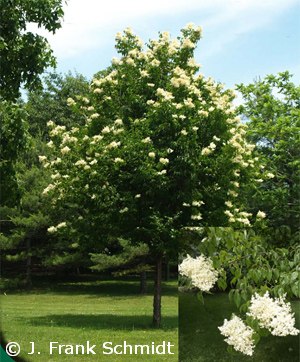
IVORY SILK TREE LILAC
| PLANT | SIZE | TYPE | GALENA | ADD'L | DIG | SOON |
|---|---|---|---|---|---|---|
| SYRINGA RET IVORY SILK | con 10 | 0 | 0 | 0 | 201 | |
| SYRINGA RET IVORY SILK | con 15 | M-STEM | 2 | 0 | 0 | 0 |
| SYRINGA RET IVORY SILK | con 25 | 2 in | 1 | 0 | 0 | 0 |
| SYRINGA RET IVORY SILK | 2 in | 90 | 0 | 0 | 0 | |
| SYRINGA RET IVORY SILK | 2.5 in | 50 | 0 | 0 | 0 | |
| SYRINGA RET IVORY SILK | 3 in | 1 | 0 | 0 | 0 |
Current inventory will be listed above this line. Contact Sales Rep for details. | Click for key & info
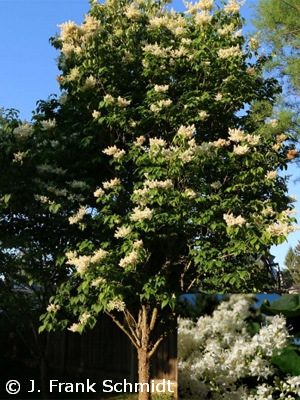
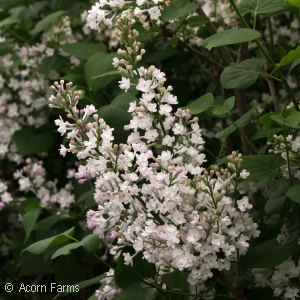
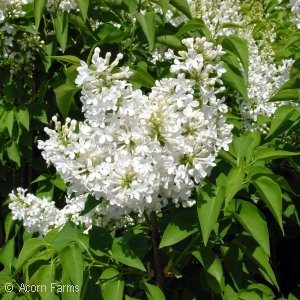
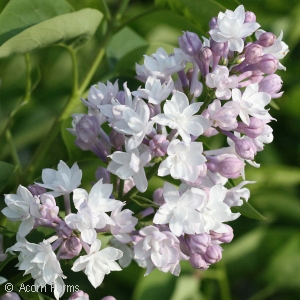
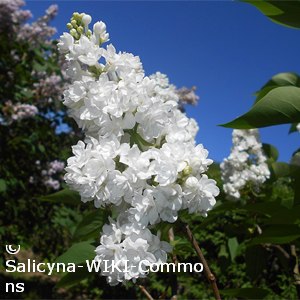
To help this plant settle in and thrive, we recommend these standard planting practices: select a location with full sun and loose, well-drained soil, allowing ample room for this award-winning tree-form lilac to develop its sturdy, oval canopy. It is highly urban-tolerant but performs best when provided with consistent moisture during periods of drought. Apply a balanced fertilizer in early spring to encourage the massive, fragrant, creamy-white panicles that appear in mid-June. Since this tree blooms on old wood, avoid pruning in late winter or early spring, which would remove the season's flowers; instead, conduct any structural training or limb-thinning immediately after the flowering period has ended.
ALSO AVAILABLE:
★ ON SALE ★