QUERCUS LYRATA ACORN FARMS

OVERCUP OAK
QUERCUS LYRATA

Quercus lyrata

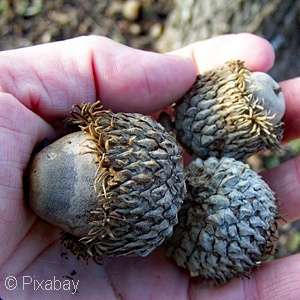
photo courtesy of Pixabay
QUERCUS LYRATA
Genus: QUERCUS
trademark info Protected Series:
Height: 40-50 Feet Tall
Spread: 40-50 Feet Wide
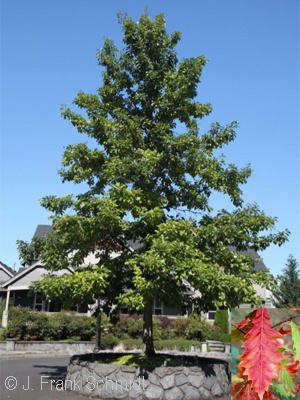
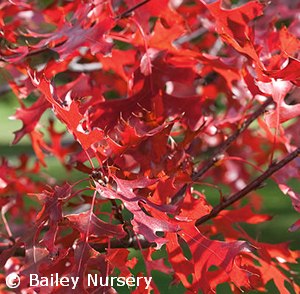
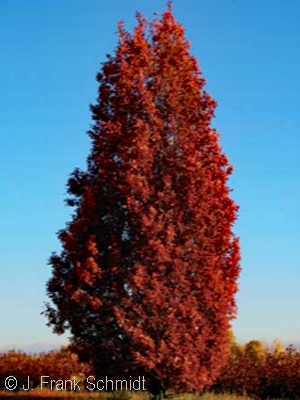
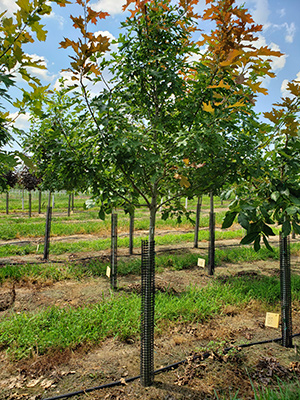
Color: orange fall color
Full Sun Plants
Full Sun Deciduous Tree Plants
Deciduous Tree
Zone: 5
#0517  
            native *  


OVERCUP OAK


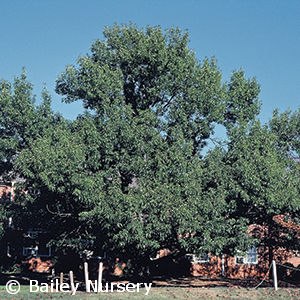
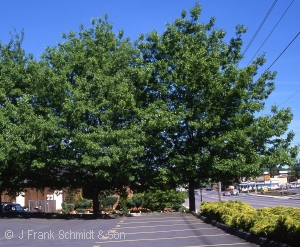
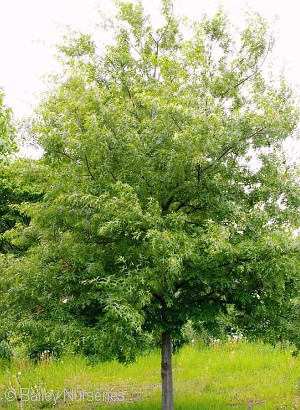
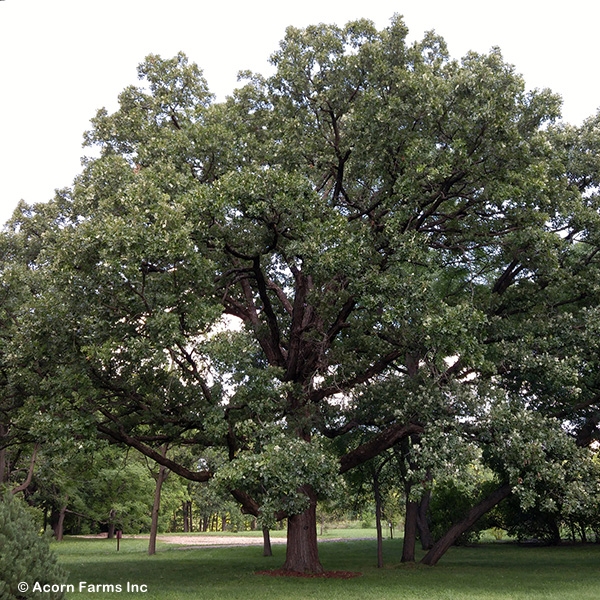
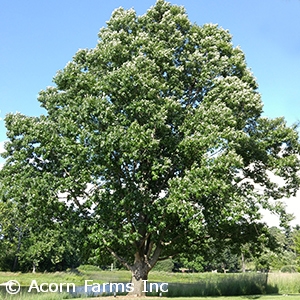
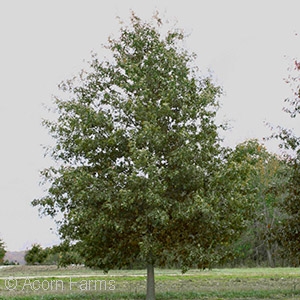
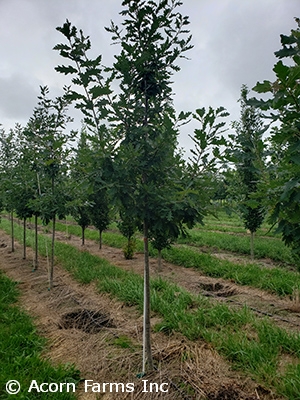
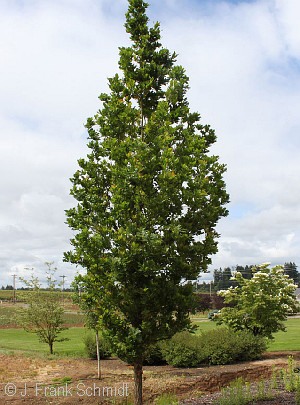
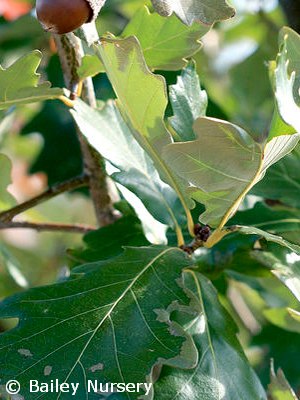
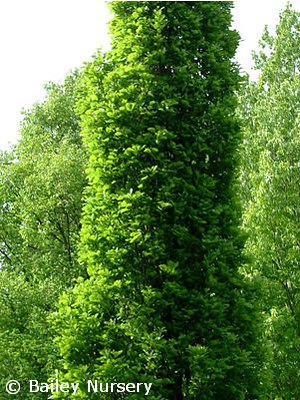
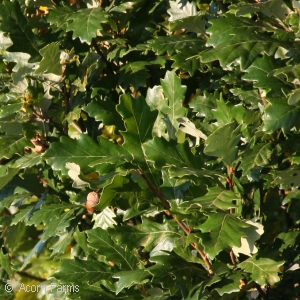
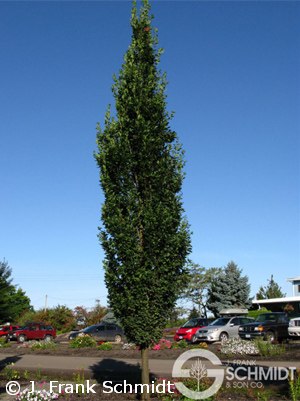
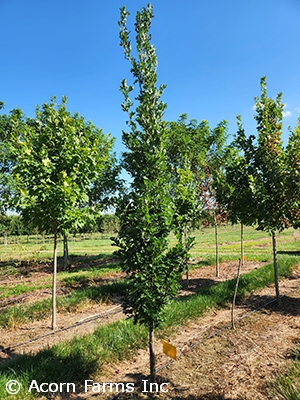
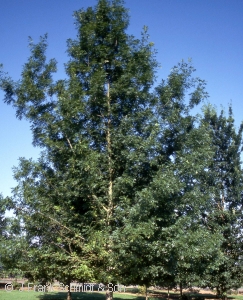
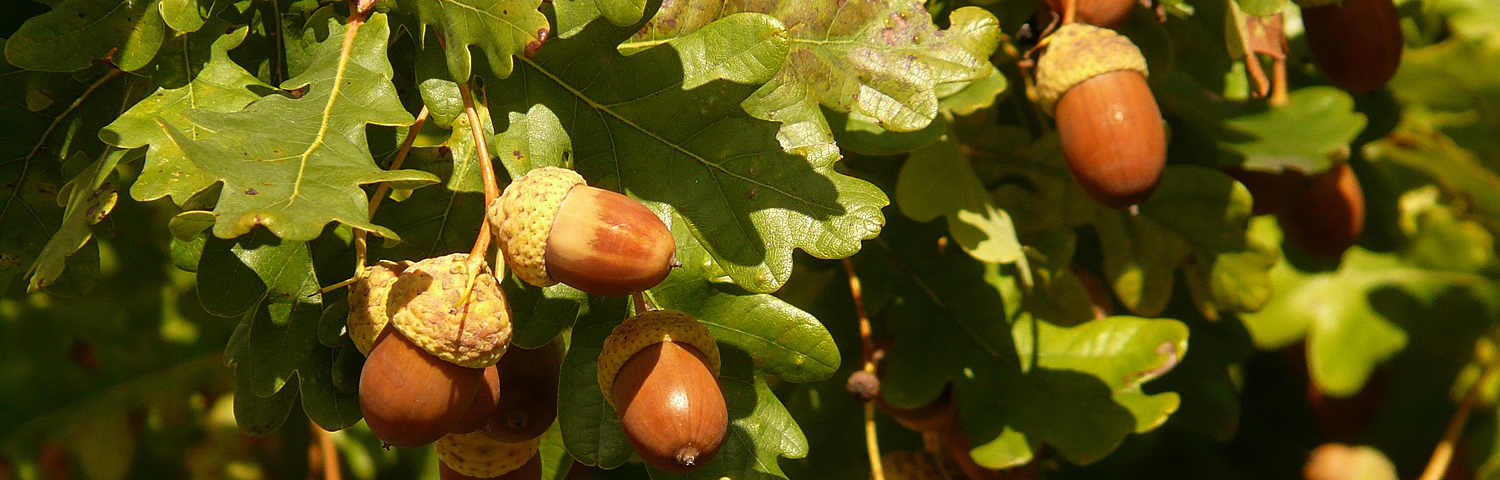
Commonly known as the Overcup Oak. It gets its name from the distinctive bur-like acorn cup that typically encloses almost the entire nut. The Overcup oak has a straight trunk and a broad rounded crown.

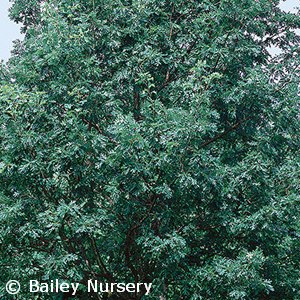
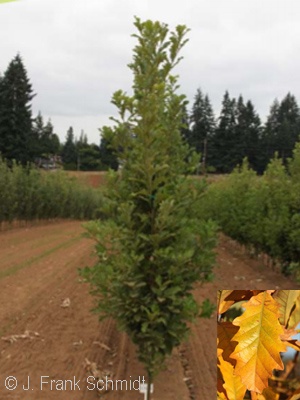
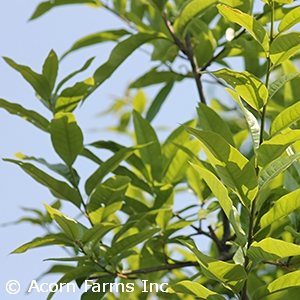
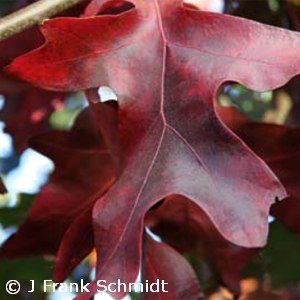
It is a bottomland tree, native to floodplain forests, lowlands and along swamps. Deep green leaves have a fuzzy white underside and turn shades of yellow-brown in fall.

Female flowers develop acorns which mature in September to October, but do not begin bearing acorns until 25-30 years old. The bark is shaggy gray and is reminiscent of the white oak.


PLANT SIZE TYPE GALENA ADD'L DIG SOON
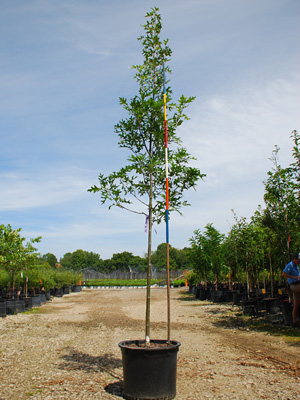
QUERCUS LYRATA 2 in1000

Current inventory will be listed above this line. This plant will not be in the cart if there is no Galena stock listed. Contact Sales Rep for details. |

KEY:
con = containers - available now
Galena = Above ground and available now
Additional = Remote location, call rep. Not in Shop.
Dig = Still in ground, call rep. Not in Shop (in orange).
Soon = Coming soon, call rep. Not in Shop.

(BBnPOT - formerly known as GRSTART - are B&B put into a container - they are available now)


Quercus (Oak) Varieties:
Bur  |  Chestnut  |  Chinkapin  |  Hybrid  |  Northern Black  |  Northern Pin  |  Overcup |  Pedunculate (Robur)  |  Pin  |  Pinnacle  |  Red  |  Sawtooth  |  Scarlet  |  Shingle  |  Shumard  |  Swamp Chestnut Oak  |  Swamp White  |  White  |  Willow


Planting Tips

To help this plant settle in and thrive, we recommend these standard planting practices: Plant in well-draining soil with a slightly acidic pH. Water regularly, but avoid overwatering. Mulch around the base to retain moisture and suppress weeds. Fertilize annually with a balanced fertilizer. Prune in late winter or early spring to maintain shape and promote healthy growth.


Available cultivars in this genus: