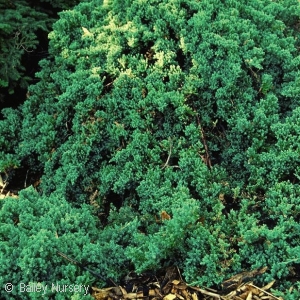
 Protected Series:
Zone: 5
Protected Series:
Zone: 5DWARF JAPANESE GARDEN JUNIPER
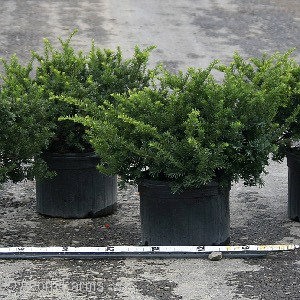
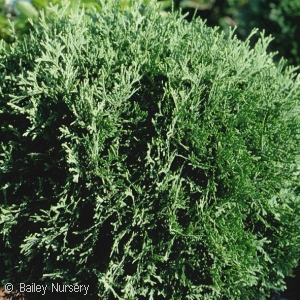
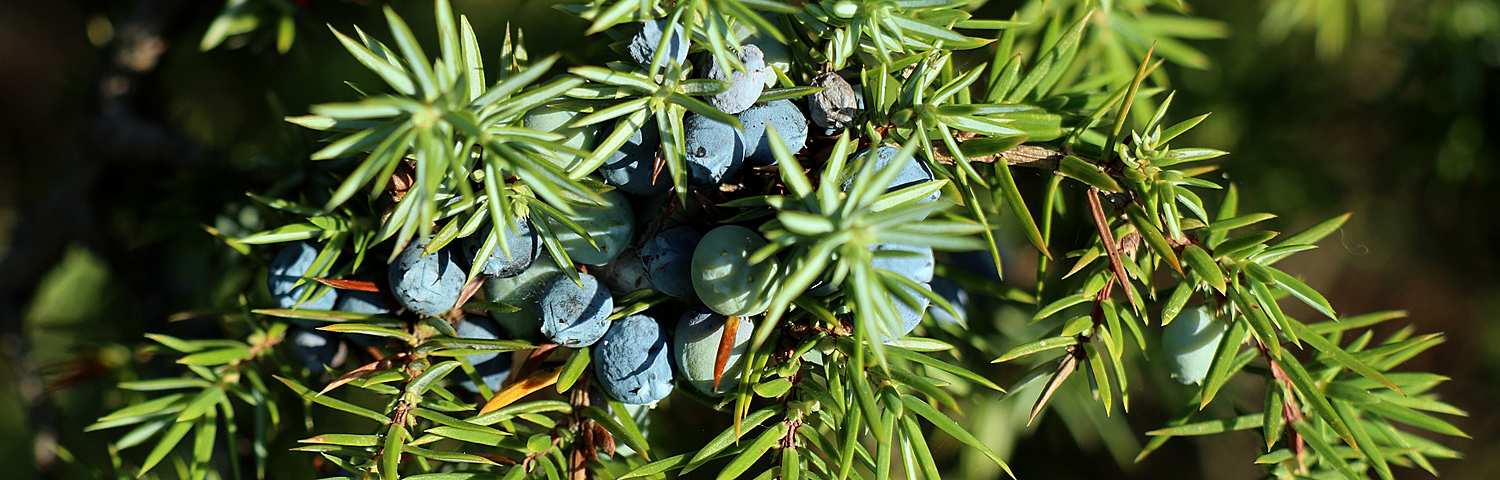
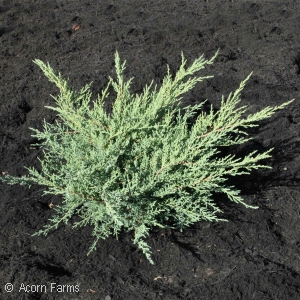
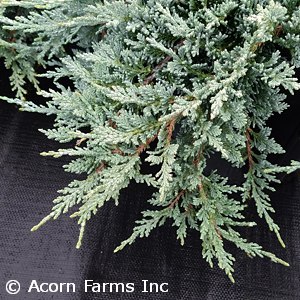
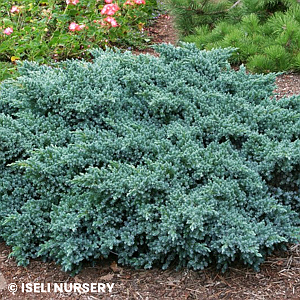
Juniperus procumbens 'Nana' is commonly referred to as Dwarf Garden Juniper or Nana Juniper. It is a dwarf evergreen, matting shrub that typically grows 6-9 inches tall with a 4-5 inch spread. It has a low, creeping growth habit and nice bluish-green disease resistant foliage that turns slightly purple in winter.
Nana Garden Juniper thrives in full sun in slightly alkaline, sandy, well-drained soils. It will not tolerate standing water. It can be drought tolerant once established. It is ideal for rock gardens or in mass plantings.
| PLANT | SIZE | TYPE | GALENA | ADD'L | DIG | SOON |
| JUNIPERUS PRO NANA | con 3 | 15-18 in | 182 | 843 | 0 | 0 |
| JUNIPERUS PRO NANA | con 3 | STD | 3 | 0 | 0 | 0 |
Current inventory will be listed above this line. This plant will not be in the cart if there is no Galena stock listed. Contact Sales Rep for details. | Click for Availability column key & information.
To help this plant settle in and thrive, we recommend these standard planting practices: Plant in well-draining soil, selecting a location that receives full sun to ensure the best foliage color and density. These evergreen shrubs are incredibly durable and heat-tolerant, though they require consistent water during the first season until the root system is well established; thereafter, they are notably drought-tolerant.
Prune as needed in late winter or early spring to manage size or remove dead wood, but avoid aggressive shearing that exposes the inner woody stems. Apply a layer of organic mulch around the root zone to conserve moisture and suppress weeds, taking care to keep the material a few inches away from the crown to prevent stem rot.
ALSO AVAILABLE:

★ ON SALE ★