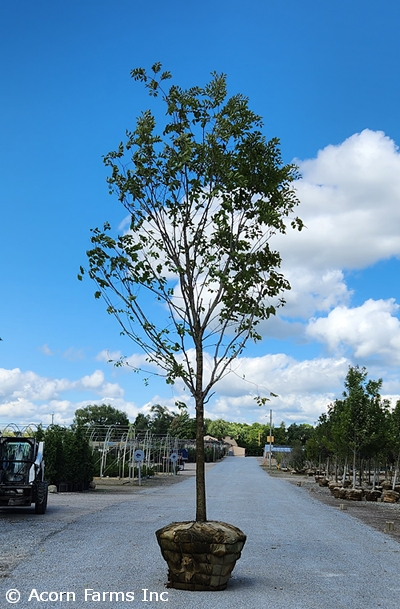
 Protected Series:
Zone: 3
Protected Series:
Zone: 3YANKEE DOODLE COMMON LILAC
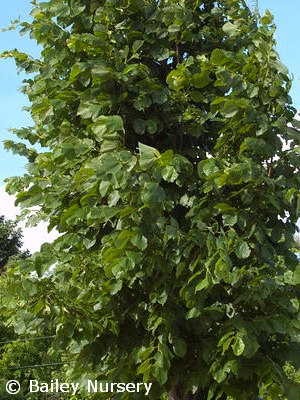
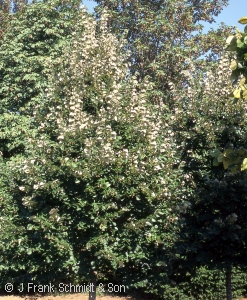
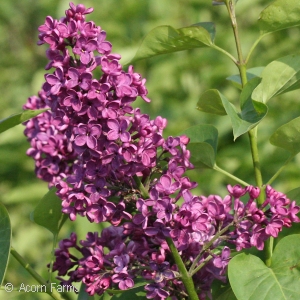
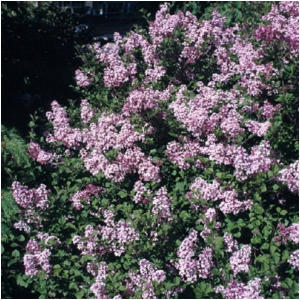
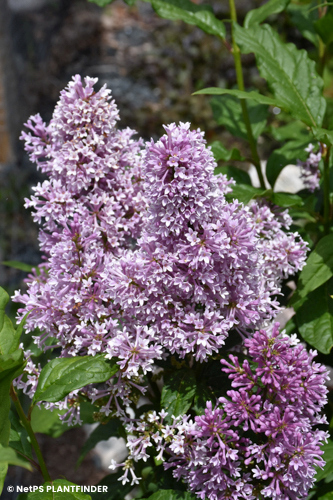
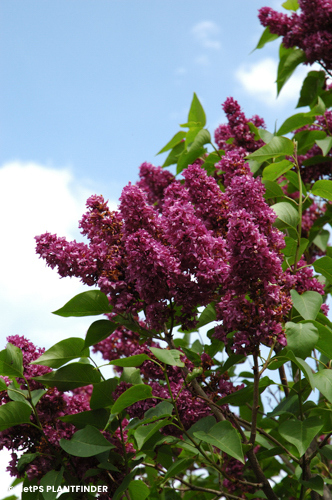
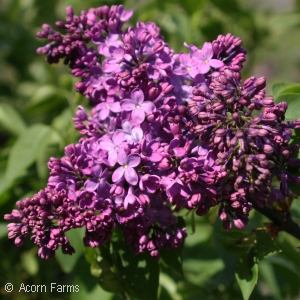
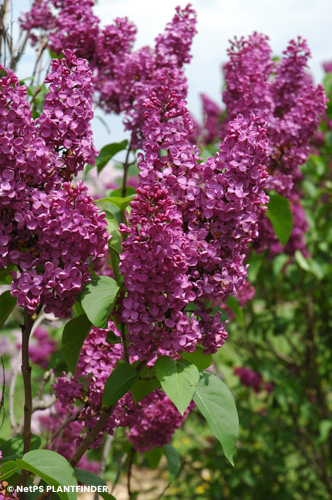
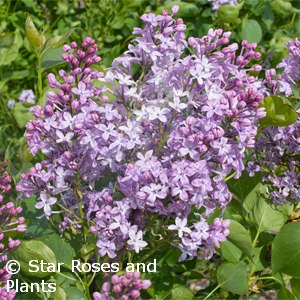
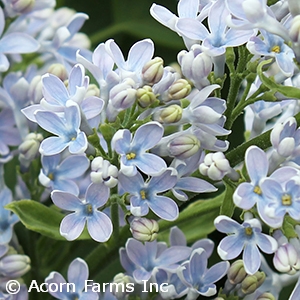
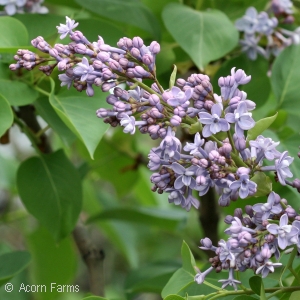
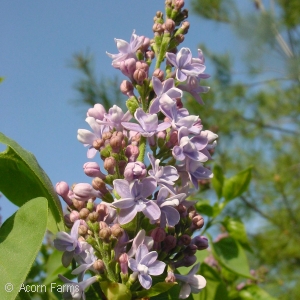
Syringa vulgaris 'Yankee Doodle' is commonly referred to as Yankee Doodle Lilac. It is one of the deepest, darkest purple lilacs we've seen! Its individual flowers are large, displayed on panicles up to 8" long. They are sweetly fragrant with bright green heart-shaped leaves that stay attractive through the growing season.
Yankee Doodle Lilac is deer resistant and thrives in rich, fertile, evenly moist, well-drained soils. It is ideal in mixed borders, foundation or mixed shrub plantings. When pruning, prune immediately after flowering to avoid removing the buds for next year.
| PLANT | SIZE | TYPE | GALENA | ADD'L | DIG | SOON |
| SYRINGA VUL YANKEE DOODLE | con 5 | 2 | 0 | 0 | 0 |
Current inventory will be listed above this line. This plant will not be in the cart if there is no Galena stock listed. Contact Sales Rep for details. | Click for Availability column key & information.
To help this plant settle in and thrive, we recommend these standard planting practices: site this vigorous cultivar in full sun with fertile, well-draining soil to support its heavy clusters of deep, intense purple florets. It is a reliable grower, but consistent moisture during the first year is essential for long-term health. Apply a balanced, slow-release fertilizer in early spring before new growth appears. Because this lilac blooms on old wood, do not prune in late winter or early spring; wait until the bloom cycle has passed and prune immediately after the flowers fade to ensure next year's potential is preserved.
ALSO AVAILABLE:
★ ON SALE ★