SYRINGA VUL MONGE ACORN FARMS

MONGE COMON LILAC
SYRINGA VUL MONGE

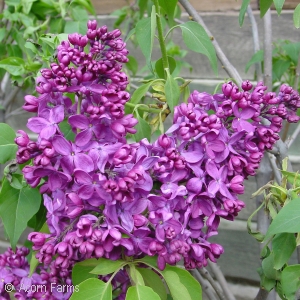
Syringa vulgaris 'Monge'

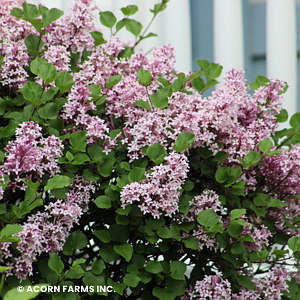
photo copyright Acorn Farms Inc
SYRINGA VUL MONGE
Genus: SYRINGA
trademark info Protected Series:
Height: 10 Feet Tall
Spread: 8-10 Feet Wide
Color: purple flower
Full Sun Plants
Full Sun Deciduous Shrub Plants
Deciduous Shrub
Zone: 3
#1447  
             fragrant *


MONGE COMON LILAC


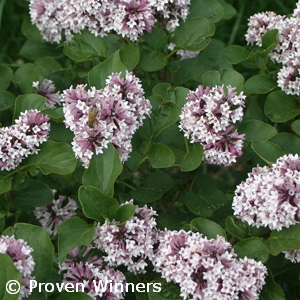
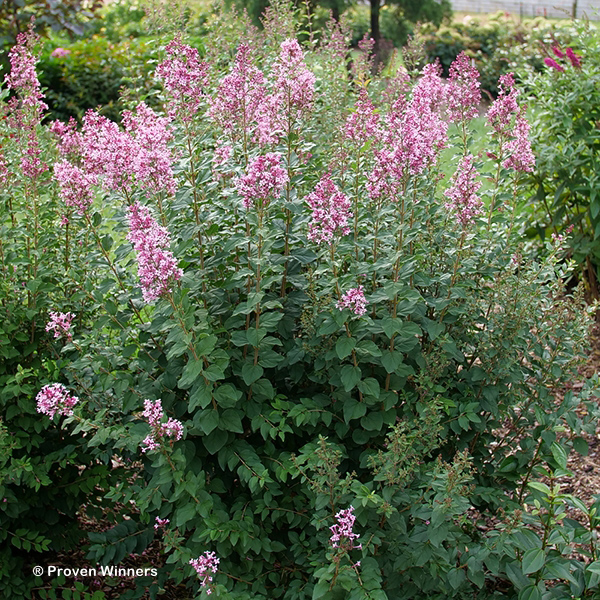
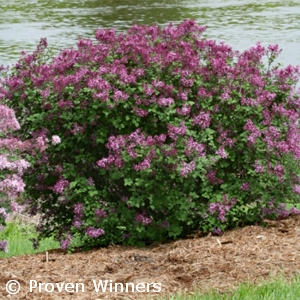
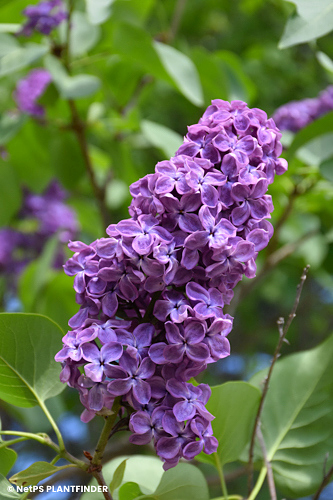
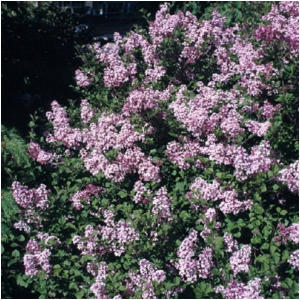
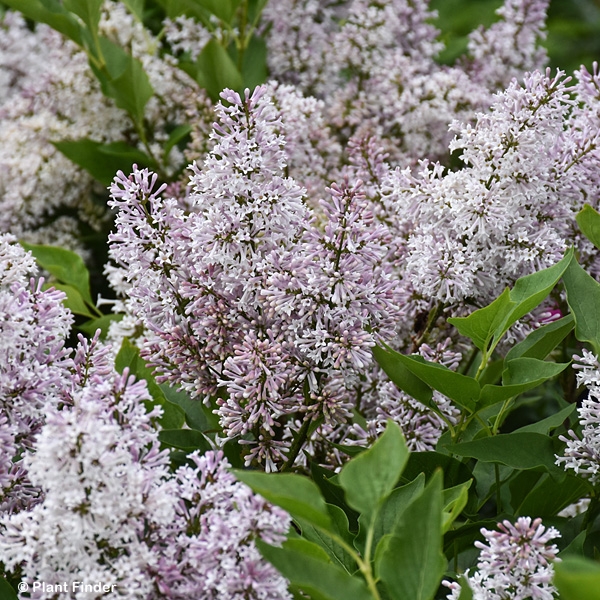
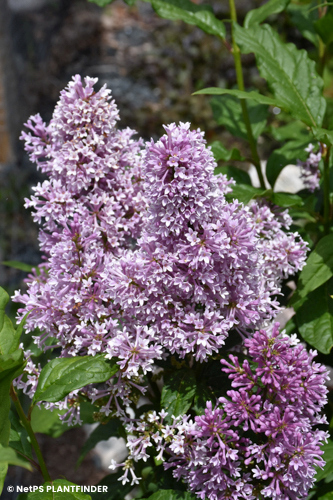
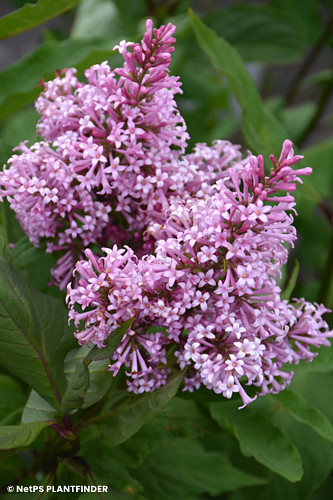
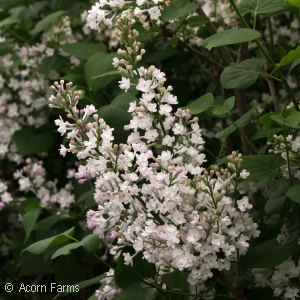
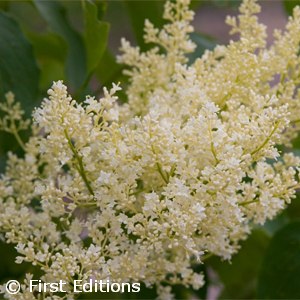
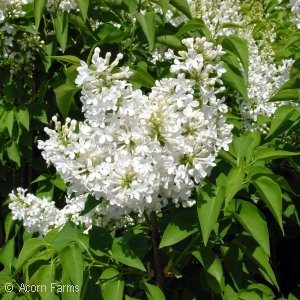
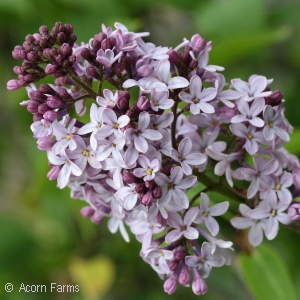
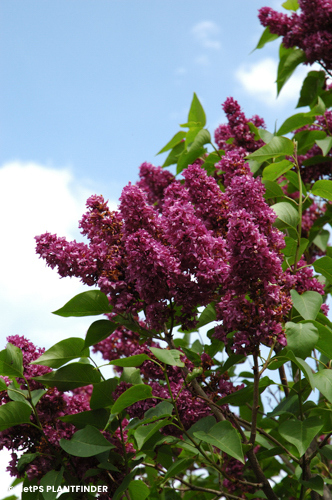
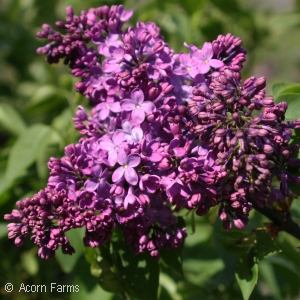
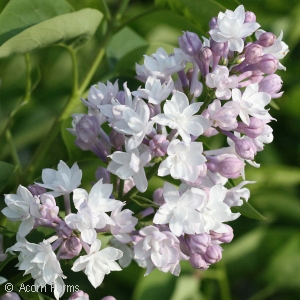
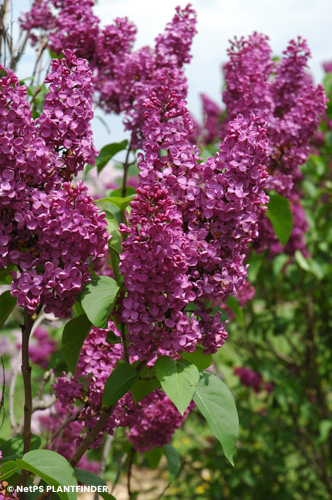
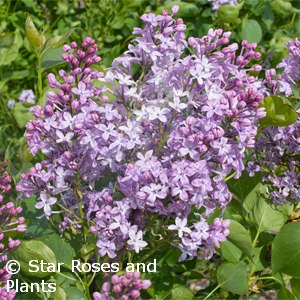
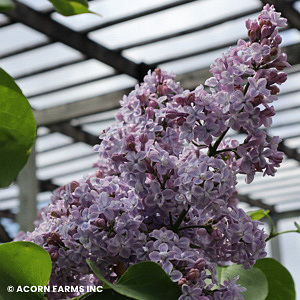
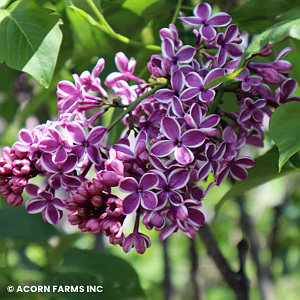
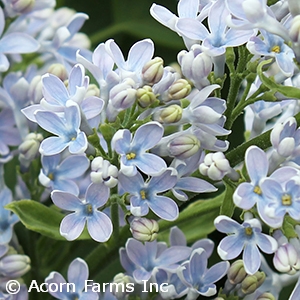
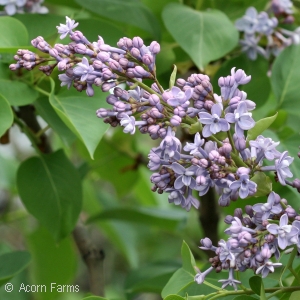
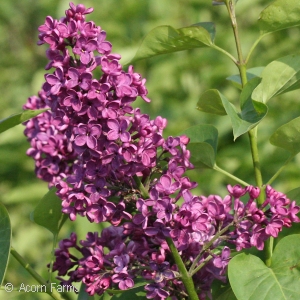
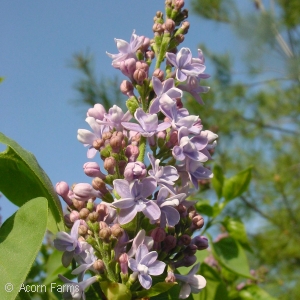
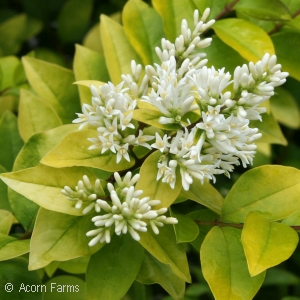
Syringa vulgaris 'Monge' is commonly referred to as Monge Lilac or Monge French Lilac. This Lemoine French lilac was first introduced back in 1913. It is an old favorite with an upright habit and showy panicles of very fragrant, single, reddish-purple flowers in April and May. The blooms last 3-4 weeks and are held on long, sturdy stems with blue-green heart-shaped leaves.

The classic Monge French Lilac is a reliable performer that loves the sun. It also enjoys rich, fertile, humus, rich, evenly moist, well-drained soils. It can tolerate some shade, but produces more flowers in full sun. Butterflies and hummingbirds are attracted to the flowers and deer usually leave it alone. It is ideal in mixed shrub borders and foundation plantings.


PLANT SIZE TYPE GALENA ADD'L DIG SOON
SYRINGA VUL MONGE con 51000

Current inventory will be listed above this line. This plant will not be in the cart if there is no Galena stock listed. Contact Sales Rep for details. |

KEY:
con = containers - available now
Galena = Above ground and available now
Additional = Remote location, call rep. Not in Shop.
Dig = Still in ground, call rep. Not in Shop (in orange).
Soon = Coming soon, call rep. Not in Shop.

(BBnPOT - formerly known as GRSTART - are B&B put into a container - they are available now)


Syringa (Lilac) Varieties: Dwarf Korean - Meyer Lilacs  |  Hybrid Lilacs |  Japanese Tree Lilacs  |  Peking Tree Lilacs  |  Persian Lilacs  |  Preston Lilacs  |  Old Fashioned Lilacs  |  Bloomerang® Lilacs


Planting Tips

To help this plant settle in and thrive, we recommend these standard planting practices: Plant in well-draining soil with a slightly acidic pH. Water regularly, but avoid overwatering. Prune in late winter or early spring to maintain shape.


Available cultivars in this genus: