 Protected Series:
Zone: 3
Protected Series:
Zone: 3BEAUTY OF MOSCOW COMMON LILAC
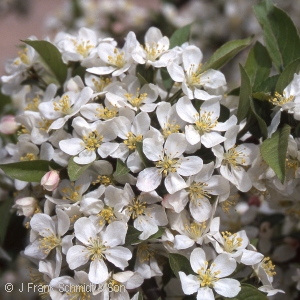
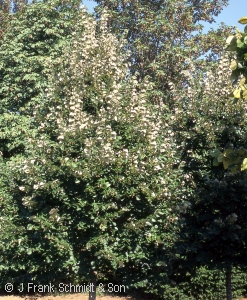
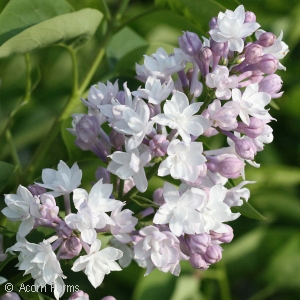
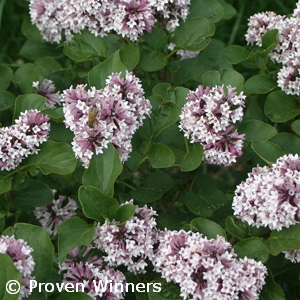
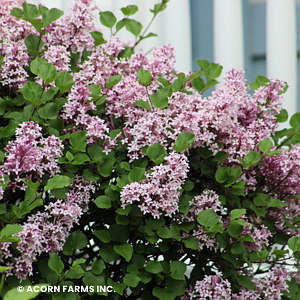
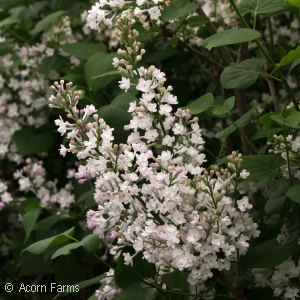
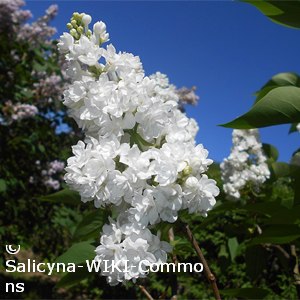
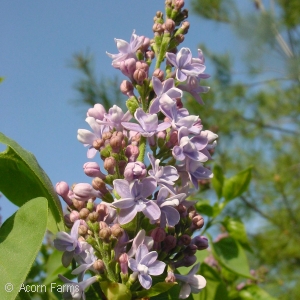
Syringa vulgaris 'Krasavitsa Moskvy' is commonly referred to as Beauty of Moscow Common Lilac. It is an upright, multi-stemmed, suckering, deciduous shrub with unusually large panicles of double white flowers tinged with pink. Flowers appear in April and May and are very fragrant.
Beauty of Moscow Lilac is cold hardy and thrives in full sun to partial shade in rich, loamy, slightly acidic, evenly moist, well-drained soil.
| PLANT | SIZE | TYPE | GALENA | ADD'L | DIG | SOON |
| SYRINGA VUL KRASAVITSA MOSKVY | con 5 | 6 | 0 | 0 | 0 |
Current inventory will be listed above this line. This plant will not be in the cart if there is no Galena stock listed. Contact Sales Rep for details. | Click for Availability column key & information.
To help this plant settle in and thrive, we recommend these standard planting practices: plant in full sun and loose, well-draining soil, ideally in a spot that offers some protection from high winds, which helps protect the delicate, pearl-pink-to-white double blooms. This variety requires high light intensity to achieve its signature coloration. Provide consistent irrigation during the establishment phase and apply a balanced fertilizer in early spring. Because this cultivar flowers on the previous season's growth, do not prune in late winter or early spring; any required pruning to maintain its form should be executed immediately after the flowering period concludes.
ALSO AVAILABLE:
★ ON SALE ★