 Protected Series:
Zone: 6
Protected Series:
Zone: 6MOONLIGHT CHINESE HYDRANGEA VINE
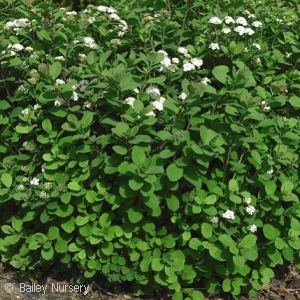
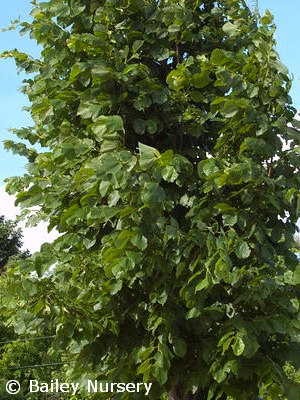
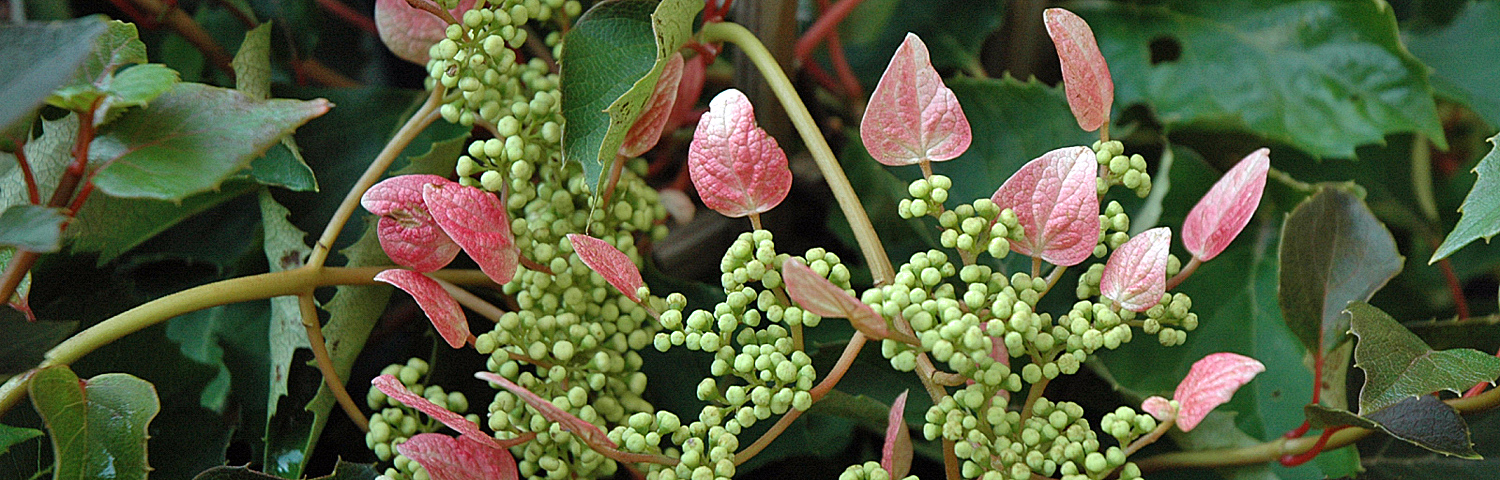
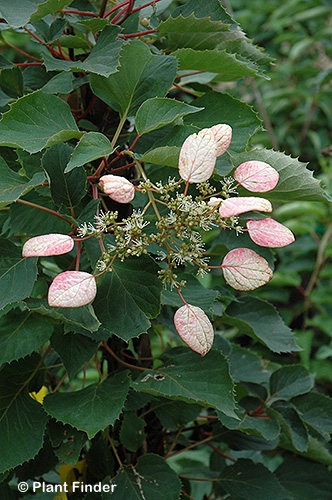
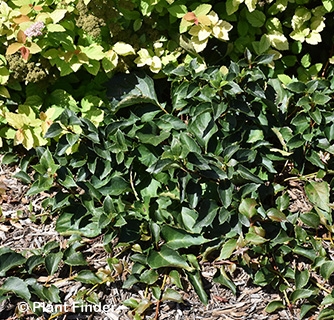
Schizophragma hydrangeoides 'Moonlight' is commonly referred to as Moonlight Chinese Hydrangea Vine, Japanese Hydrangea Vine or Climbing Hydrangea. This is a fantastic self-clinging, woody vine native to Korea and Japan. It features silvery, blue-green heart-shaped leaves that are deeply veined and fragrant, lacecap hydrangea-like white flower clusters. Leaves turn yellow in fall and its shedding bark provides additional winter interest.
Moonlight Climbing Hydrangea is shade tolerant and thrives in filtered light in rich, organic, evenly moist, well-drained soils. It is drought tolerant once it is established. It will not tolerate standing water. It is ideal for climbing up trees, fences and walls.
| PLANT | SIZE | TYPE | GALENA | ADD'L | DIG | SOON |
| SCHIZOPHRAGMA HYD MOONLIGHT | con 3 | STAKE | 3 | 0 | 0 | 0 |
Current inventory will be listed above this line. This plant will not be in the cart if there is no Galena stock listed. Contact Sales Rep for details. | Click for Availability column key & information.
To help this plant settle in and thrive, we recommend these standard planting practices: Plant in well-draining soil with a slightly acidic pH. Water regularly, but avoid overwatering. Mulch around the base to retain moisture and suppress weeds. Fertilize annually with a balanced fertilizer. Prune in late winter or early spring to maintain shape and promote new growth.
ALSO AVAILABLE:
★ ON SALE ★