QUERCUS COCCINEA ACORN FARMS

SCARLET OAK
QUERCUS COCCINEA

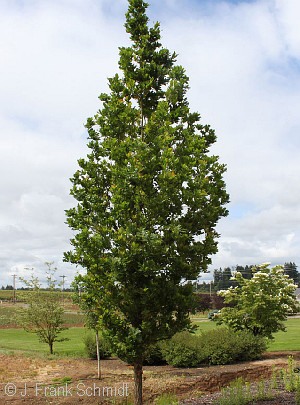
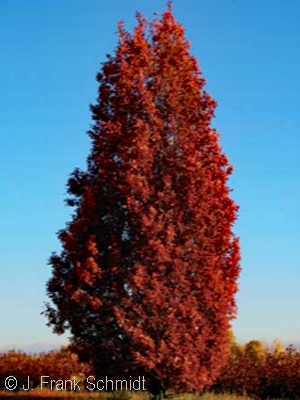
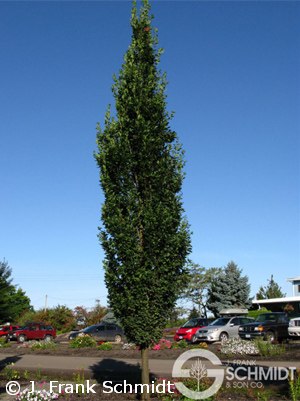
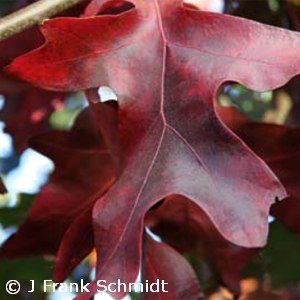
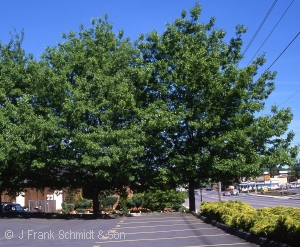
Quercus coccinea

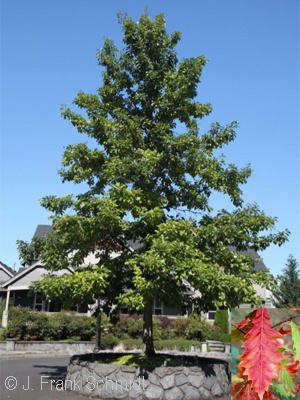
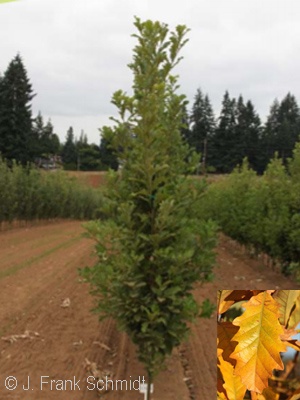
photo courtesy of J. Frank Schmidt
QUERCUS COCCINEA
Genus: QUERCUS
trademark info Protected Series:
Height: 50 Feet Tall
Spread: 40-50 Feet Wide
Color: red fall color
Full Sun Plants
Full Sun Deciduous Tree Plants
Deciduous Tree
Zone: 4
#0521  
            native *  


SCARLET OAK


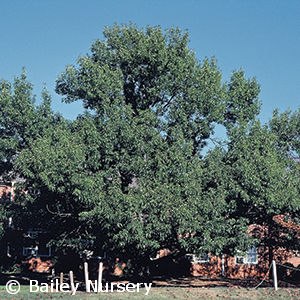
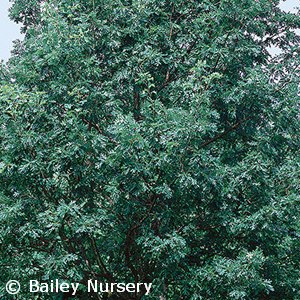
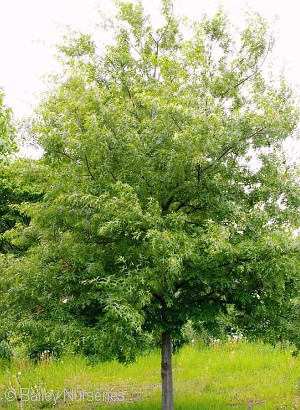
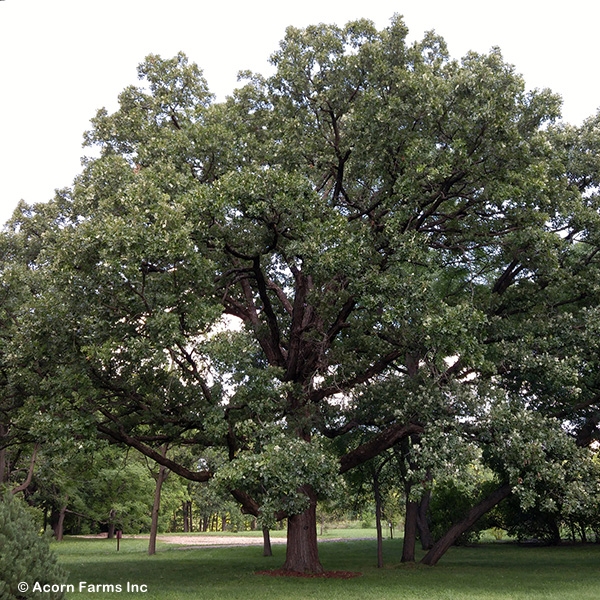
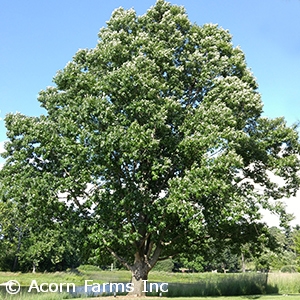
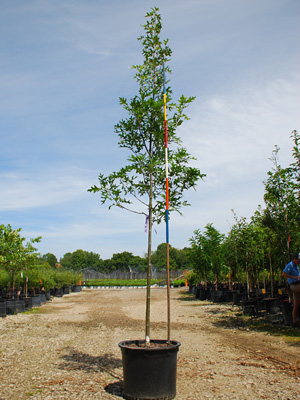
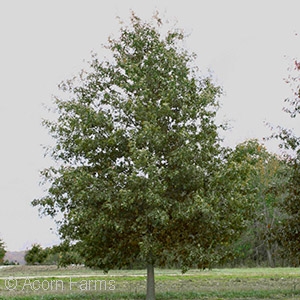
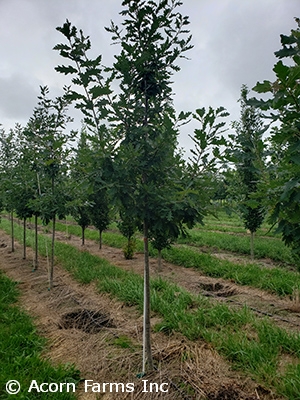
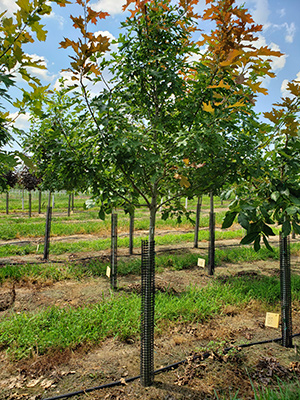
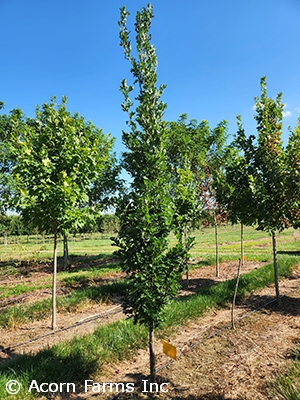
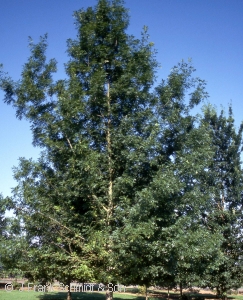
Quercus coccinea is commonly referred to as the Scarlet Oak. This native, fast-growing, deciduous tree is large with a rounded, open habit that eventually matures to 70 feet tall.

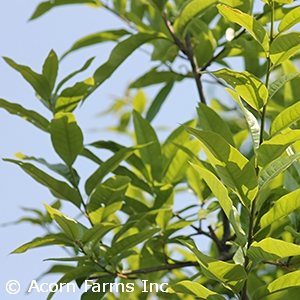
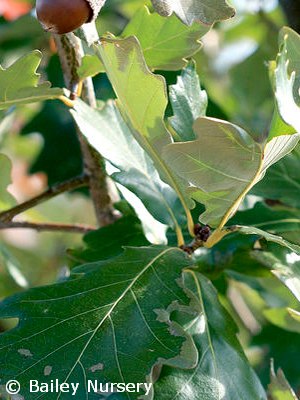
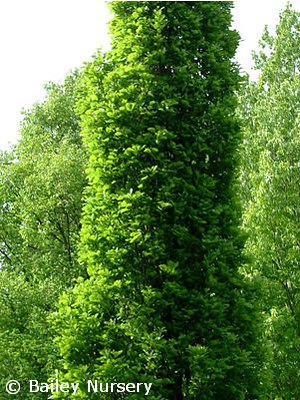
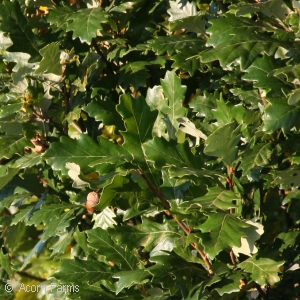
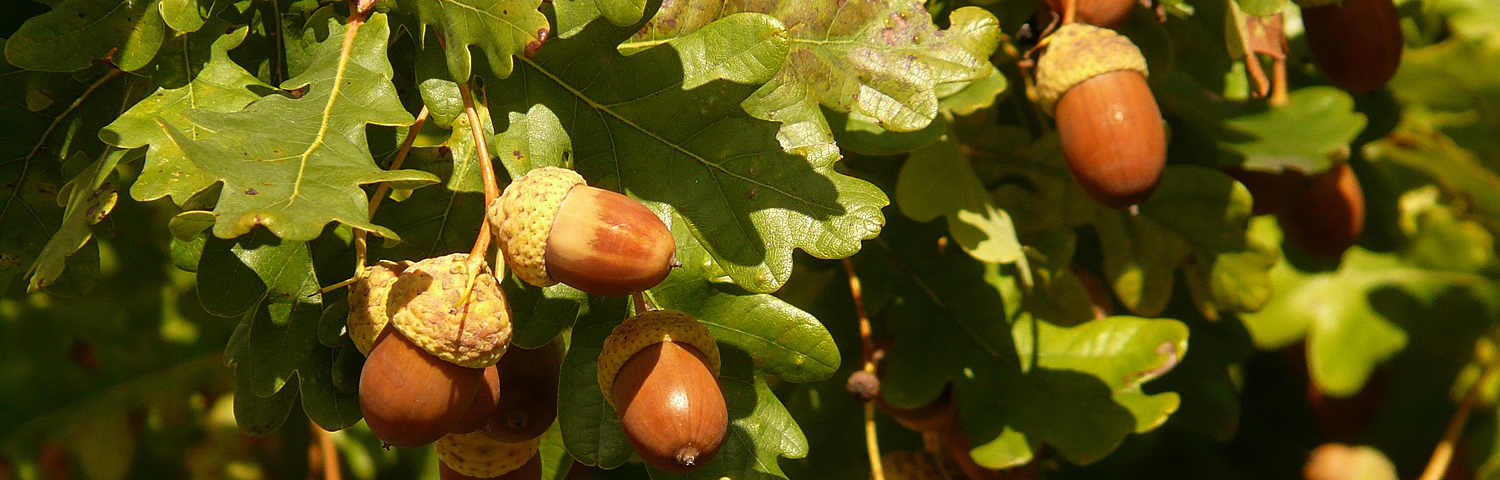
Leaves are glossy green in summer turning to an excellent scarlet red in fall. Scarlet Oak's acorns are about an inch long and enclosed about halfway in a deep bowl-like cup. They are an important food source for many songbirds, wild turkeys, squirrel and deer. Its bark is thin becoming moderately ridged and shallowly furrowed with age.

This is a stately shade tree that prefers drier, sandy soils. It is possible to garden under it and is considered a good lawn and street tree.


PLANT SIZE TYPE GALENA ADD'L DIG SOON
QUERCUS COCCINEA 2 in1000
QUERCUS COCCINEA 2.5 in2000

Current inventory will be listed above this line. This plant will not be in the cart if there is no Galena stock listed. Contact Sales Rep for details. |

KEY:
con = containers - available now
Galena = Above ground and available now
Additional = Remote location, call rep. Not in Shop.
Dig = Still in ground, call rep. Not in Shop (in orange).
Soon = Coming soon, call rep. Not in Shop.

(BBnPOT - formerly known as GRSTART - are B&B put into a container - they are available now)


Quercus (Oak) Varieties:
Bur  |  Chestnut  |  Chinkapin  |  Hybrid  |  Northern Black  |  Northern Pin  |  Overcup |  Pedunculate (Robur)  |  Pin  |  Pinnacle  |  Red  |  Sawtooth  |  Scarlet  |  Shingle  |  Shumard  |  Swamp Chestnut Oak  |  Swamp White  |  White  |  Willow


Planting Tips

To help this plant settle in and thrive, we recommend these standard planting practices: Plant in well-draining soil with a slightly acidic pH. Water regularly, but avoid overwatering. Mulch around the base to retain moisture and suppress weeds. Fertilize annually with a balanced fertilizer. Prune in late winter or early spring to maintain shape and promote healthy growth.


ALSO AVAILABLE:


★ ON SALE ★