 Protected Series:
Zone: 6
Protected Series:
Zone: 6TWISTING RED™ LEUCOTHOE
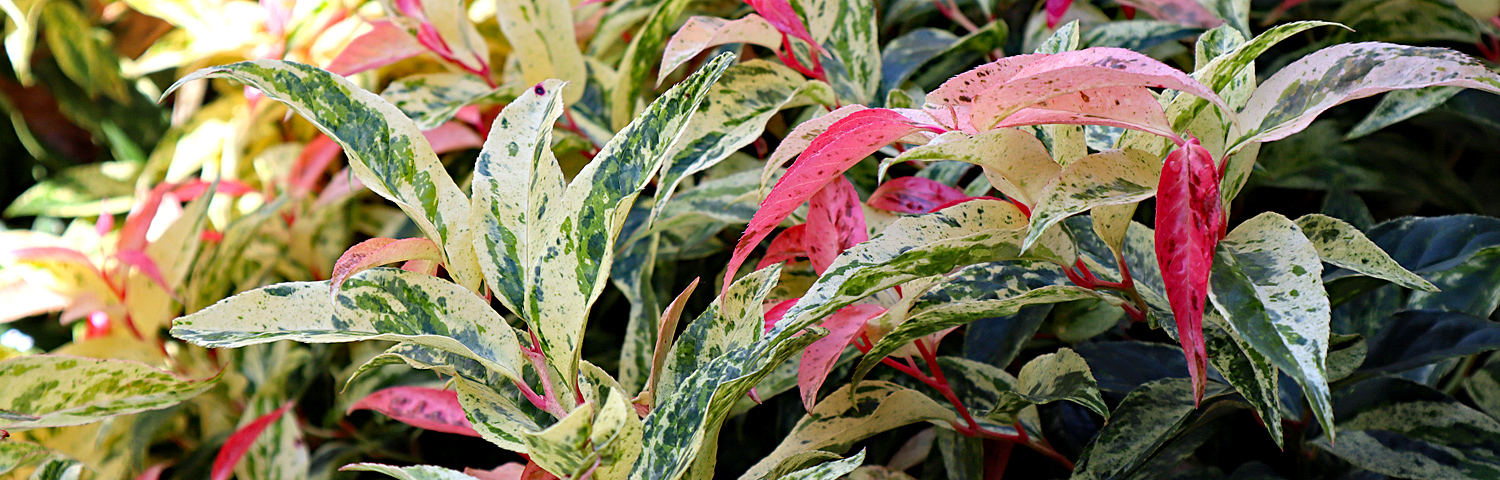
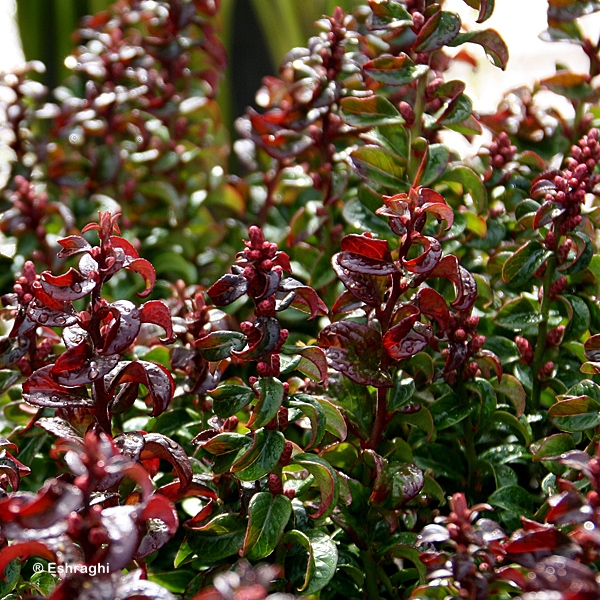
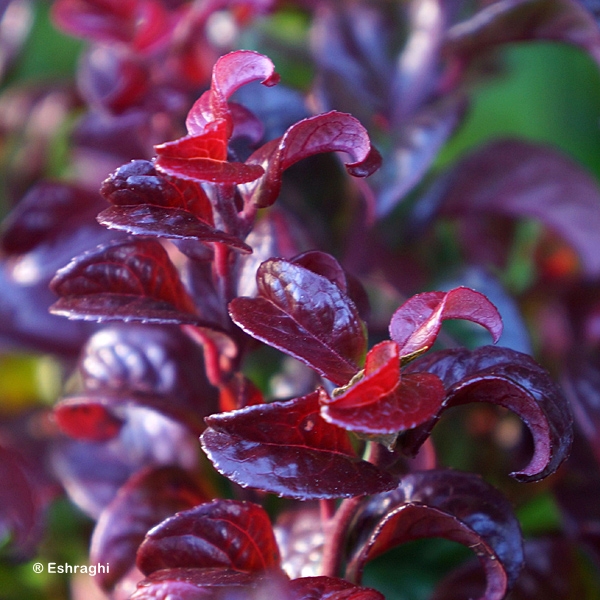
Leucothoe axillaris Twisting Red™ is a striking broadleaf evergreen shrub prized for its dramatic foliage and architectural form. Its most distinctive feature is its curling leaves, which spiral along the stems to create a dense, textured look that stands out in any landscape. The foliage undergoes a beautiful color transformation throughout the year: new growth emerges in striking shades of bronze and deep red, matures to a glossy dark green during summer, and then intensifies into a rich, burgundy-red during fall and winter months. In spring, it produces subtle, small white bell-shaped flowers that dangle beneath the twisted leaves, though the plant is truly grown for its year-round multi-colored display.
Twisting Red™ is a hardy, low-maintenance selection that thrives in partial to full shade, making it a perfect solution for those tricky darker corners of the garden. It prefers moist, acidic, and well-drained soil; it does not like to dry out completely, so adding a layer of mulch will help retain the necessary moisture. It is ideal for woodland gardens, shaded borders, or as a vibrant groundcover under taller trees. Because of its unique texture and cascading habit, it also works exceptionally well in large patio containers where its colorful, spiraling foliage can be admired at eye level.
| PLANT | SIZE | TYPE | GALENA | ADD'L | DIG | SOON |
Current inventory will be listed above this line. This plant will not be in the cart if there is no Galena stock listed. Contact Sales Rep for details. | Click for Availability column key & information.
To help this plant settle in and thrive, we recommend these standard planting practices: Plant in cool, moist, well-draining soil with a slightly acidic pH, selecting a location in partial to full shade. These shrubs perform best when protected from harsh afternoon sun and drying winds, which can scorch the evergreen foliage. Consistent moisture is critical, especially during the first growing season until the root system is well established.
Prune immediately after flowering is complete if you need to manage size or remove older, woody stems, which encourages the development of fresh, vibrant foliage. Apply a generous layer of organic mulch around the root zone to keep the roots cool and conserve moisture, ensuring the material remains a few inches away from the crown to prevent stem rot.
ALSO AVAILABLE:
★ ON SALE ★