Zone: 3BLACK CHOKEBERRY
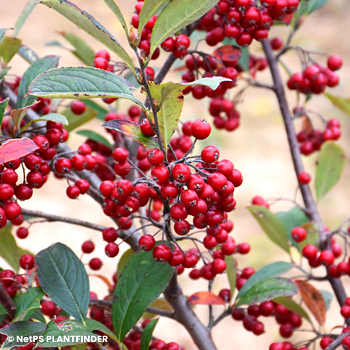
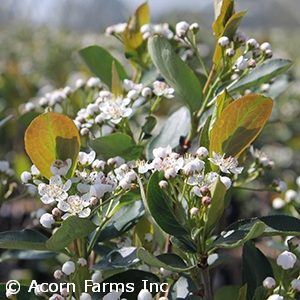
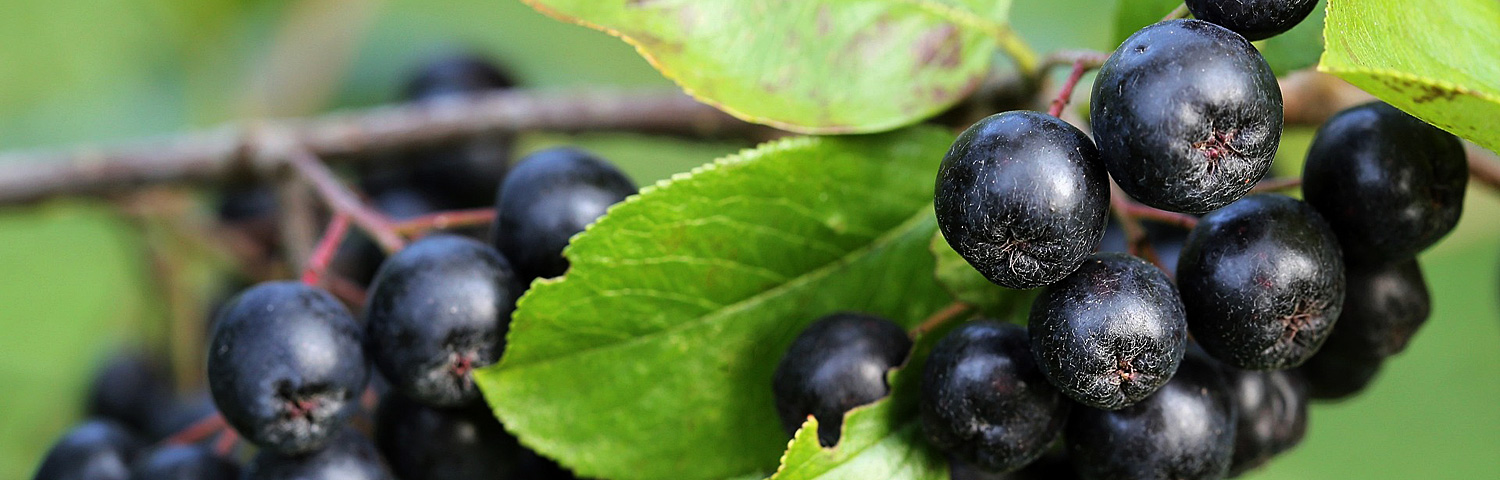
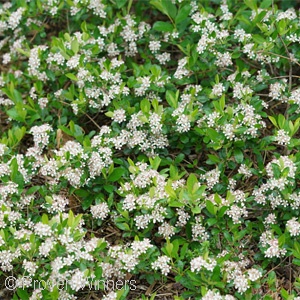
Aronia melanocarpa, commonly known as Black Chokeberry, is a rugged and highly ornamental deciduous shrub native to eastern North America, prized for its multi-season interest and "superfood" berries. In spring, Black Chokeberry is covered in clusters of delicate, white-to-pinkish flowers that provide vital nectar for bees and butterflies. As summer progresses, blooms give way to glossy, deep purple to black berries that are exceptionally high in antioxidants and vitamins. Its aesthetic appeal peaks in the autumn when its dark green, waxy foliage turns into a showy display of crimson and fiery orange, making it a standout choice for mass plantings, hedges, or wildlife gardens.
Aronia melanocarpa is easy to care for due to its hardiness and adaptability to various environmental conditions. It performs best in full sun to partial shade, though planting it in full sun will yield the most abundant fruit harvest and the most intense fall color. While it prefers moist, well-draining, and slightly acidic soil, it is tolerant of a wide range of textures, including boggy "wet feet" and heavy clay, as well as occasional drought once established.
| PLANT | SIZE | TYPE | GALENA | ADD'L | DIG | SOON |
| ARONIA MELANOCARPA | con 5 | 178 | 0 | 0 | 0 |
Current inventory will be listed above this line. This plant will not be in the cart if there is no Galena stock listed. Contact Sales Rep for details. | Click for Availability column key & information.
To help this plant settle in and thrive, we recommend these standard planting practices: Plant in moist, well-draining soil, although this species is remarkably adaptable and tolerates wet sites or compacted soil better than most shrubs. Select a location with full sun to partial shade, noting that maximum sun exposure is required for the most prolific fruit production and intense autumn leaf color. Establishment is straightforward, but consistent watering during the first season ensures the root system develops properly. Because Aronia has a natural suckering habit, prune in late winter or early spring to manage size or remove old canes if a more formal appearance is desired.
ALSO AVAILABLE:
β ON SALE β