 Protected Series:
Zone: 3
Protected Series:
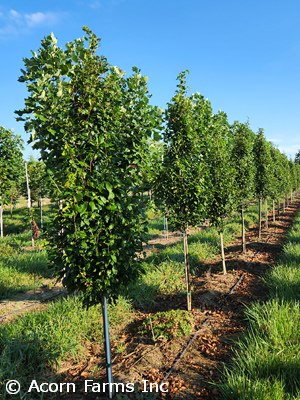
Zone: 3AMERICAN SENTRY® AMERICAN LINDEN
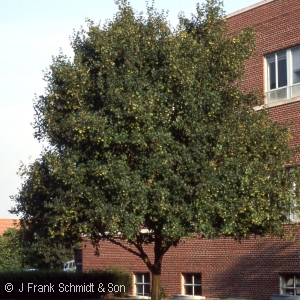
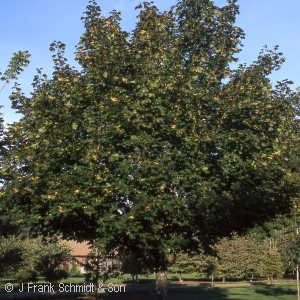
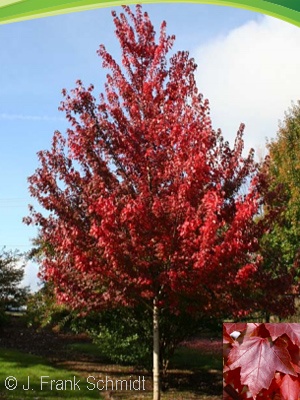
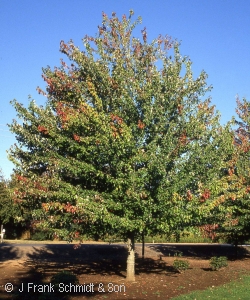
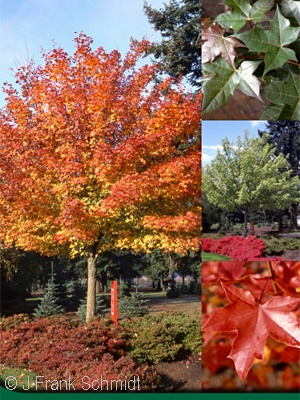
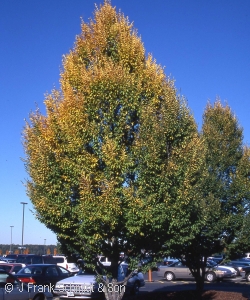
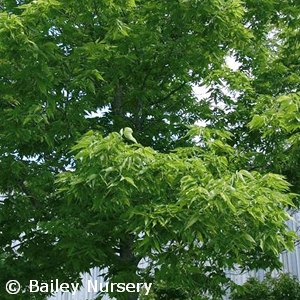
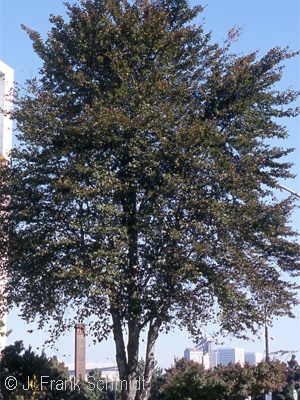
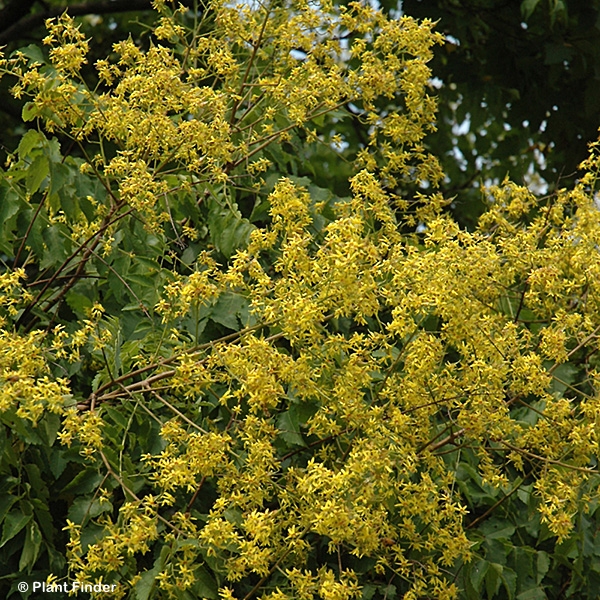
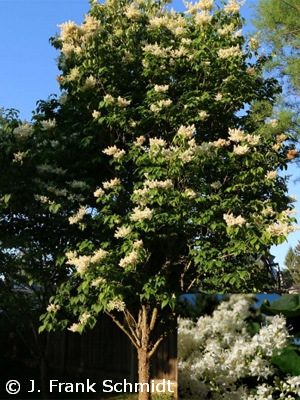
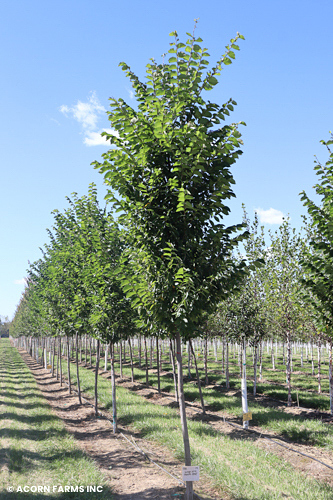
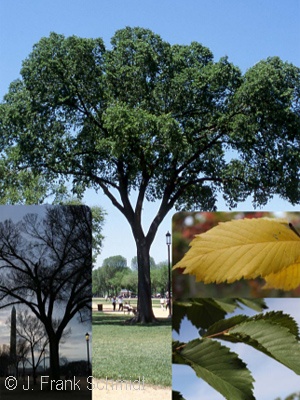
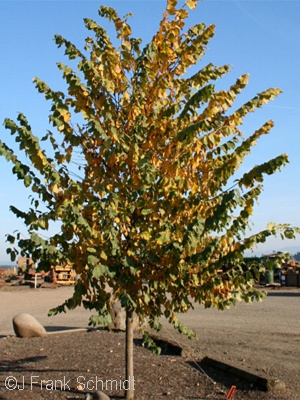
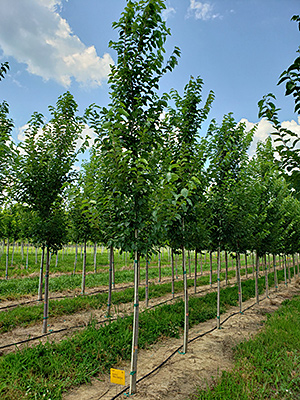
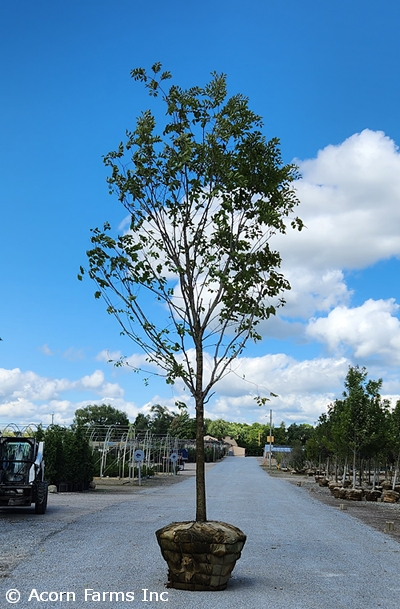
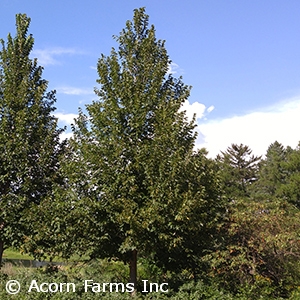
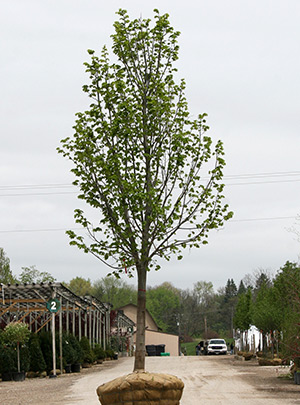
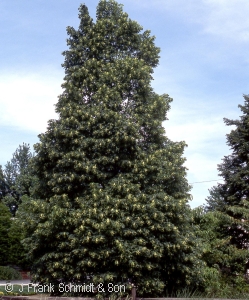
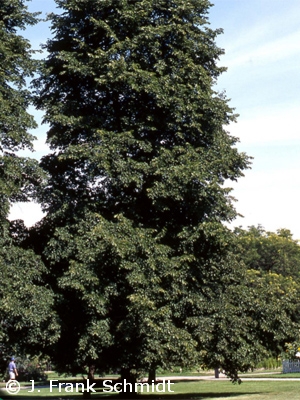
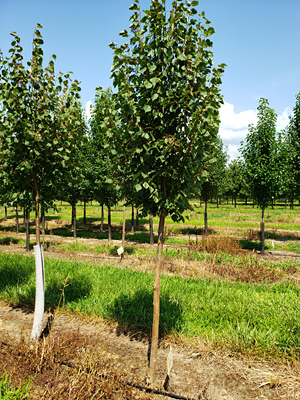
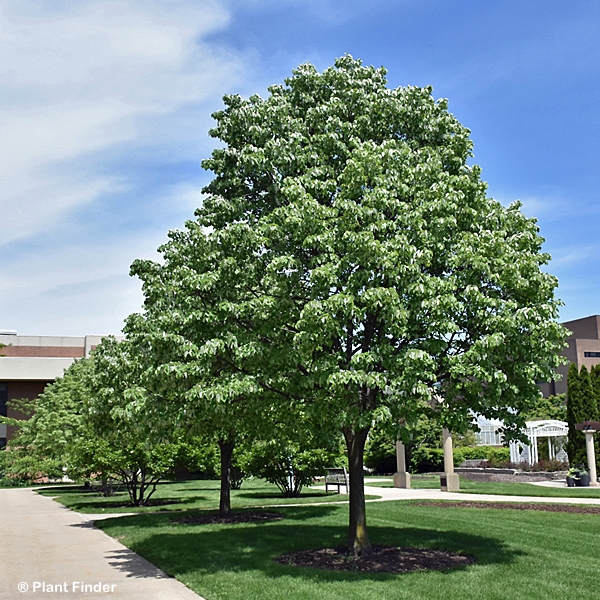
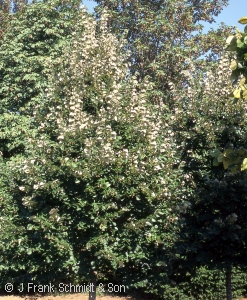
The American Sentry® Linden is also called the Basswood Tree. It is a dense, upright, narrow Linden with distinctive silvery gray bark and fragrant pale yellow flowers. When summer starts to fade, green, pea-sized seed pods form and add an attractive visual interest.
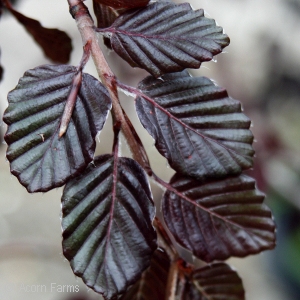
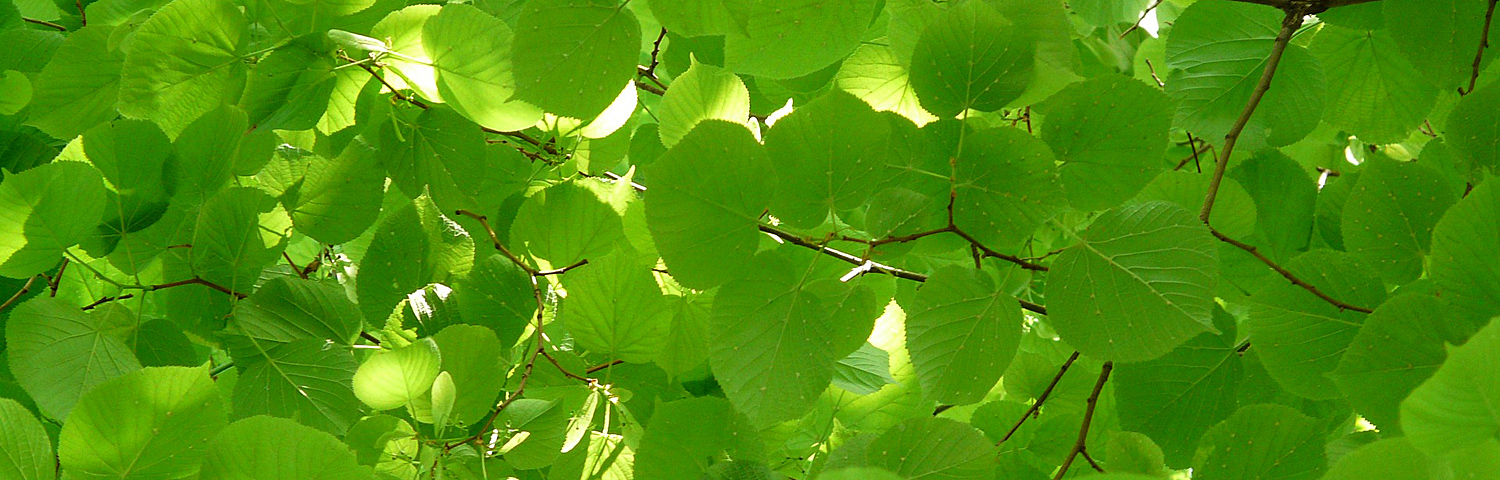
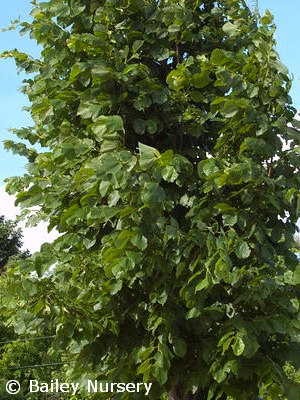
The hardy American Sentry® has superb resistance to Japanese Beetles so its large, heart-shaped leaves stay intact and mature to dramatic shades of yellow. American Sentry® enjoys full sun in average, well-drained soils. It is not tolerant of inner-city environments as it is sensitive to pollution. Tilia cordata or Little Leaf Linden may be a better choice for city environments.
| PLANT | SIZE | TYPE | GALENA | ADD'L | DIG | SOON |
Current inventory will be listed above this line. This plant will not be in the cart if there is no Galena stock listed. Contact Sales Rep for details. | Click for Availability column key & information.
To help this plant settle in and thrive, we recommend these standard planting practices: Plant in a location with full sun to partial shade, and ensure the soil is well-draining. Water regularly, but avoid overwatering. Mulch around the base to retain moisture and suppress weeds. Fertilize annually with a balanced fertilizer. Prune in late winter or early spring to maintain shape and promote healthy growth.
ALSO AVAILABLE:

★ ON SALE ★