Zone: 3NORTHCOUNTRY BLUEBERRY
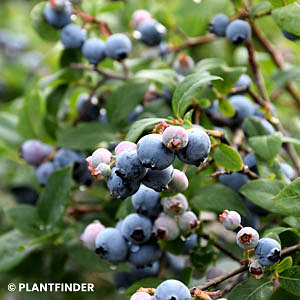
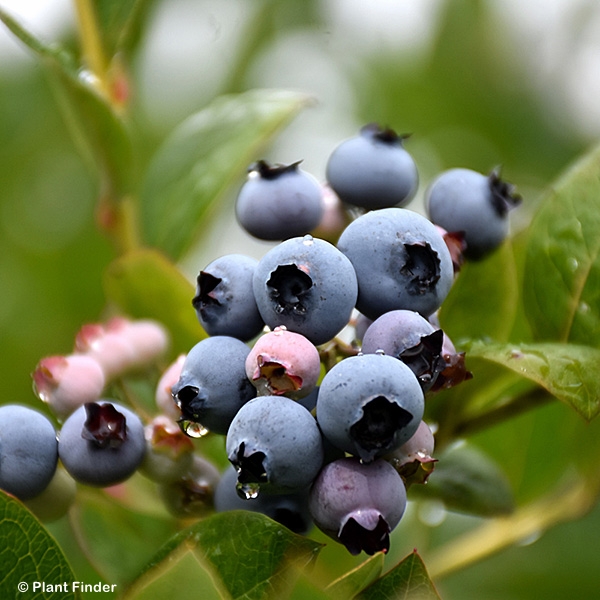
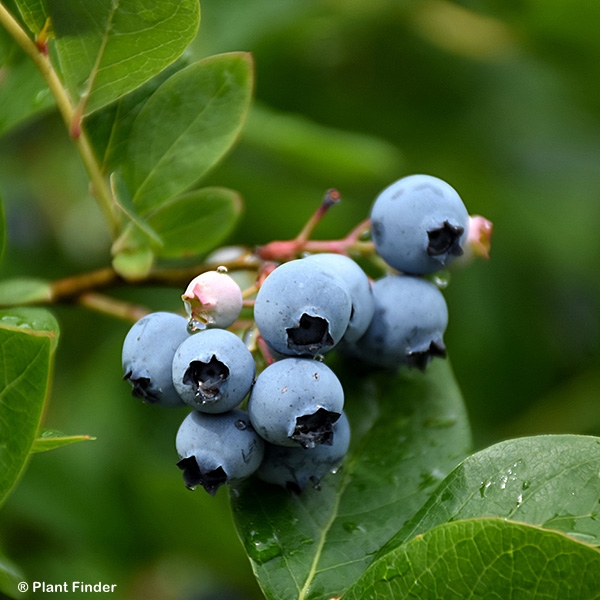
Vaccinium cor. 'Northcountry' is a popular and exceptionally cold hardy "half-high" blueberry cultivar, developed by the University of Minnesota as a cross between highbush and lowbush blueberries. It features a compact, mounded habit with a manageable height of 18 to 24 inches with a spread of around 3 feet, making it perfect for smaller gardens, containers, or edible landscaping borders.
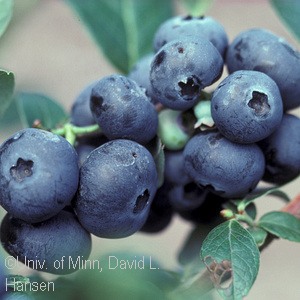
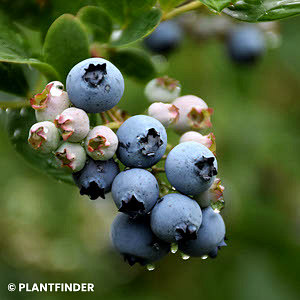
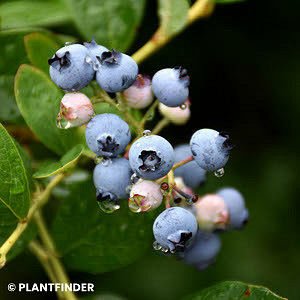
It produces an abundant mid-season crop of medium-sized, sky-blue berries that are prized for their sweet, mild flavor, often described as having the intense essence of wild blueberries. Beyond its edible qualities, 'Northcountry' offers significant ornamental appeal, featuring dainty white to pink-tinged bell-shaped flowers in the spring and glossy green summer foliage that turns red in fall.
Blueberries are acid-loving plants and thrive in highly acidic, organically rich, and well-drained soil. Plant in a location that receives full sun for the best fruit production. New plants require consistent moisture, so keep the soil evenly moist throughout the growing season, especially when the fruit is developing. 'Northcountry' blueberries are partially self-fertile, planting a different compatible half-high cultivar, such as 'Northblue' or 'Northsky', nearby will significantly increase fruit size and yield.
| PLANT | SIZE | TYPE | GALENA | ADD'L | DIG | SOON |
Current inventory will be listed above this line. This plant will not be in the cart if there is no Galena stock listed. Contact Sales Rep for details. | Click for Availability column key & information.
To help this plant settle in and thrive, we recommend these standard planting practices: Plant in deep, moist, well-draining soil that is highly acidic, as this is critical for the long-term health and fruit production for blueberries. Select a location in full sun to partial shade, ensuring that the roots have access to consistent moisture throughout the growing season.
Prune in late winter or early spring to remove dead or weak wood and to thin out older branches, which encourages new, vigorous growth and maintains a productive size. Apply a generous layer of acidic organic mulch, such as pine bark or pine needles, around the root zone to conserve moisture and maintain soil acidity, taking care to keep the material a few inches away from the crown to prevent stem rot.