VACCINIUM COR JERSEY ACORN FARMS

JERSEY HIGHBUSH BLUEBERRY
VACCINIUM COR JERSEY

Vaccinium corymbosum 'Jersey'

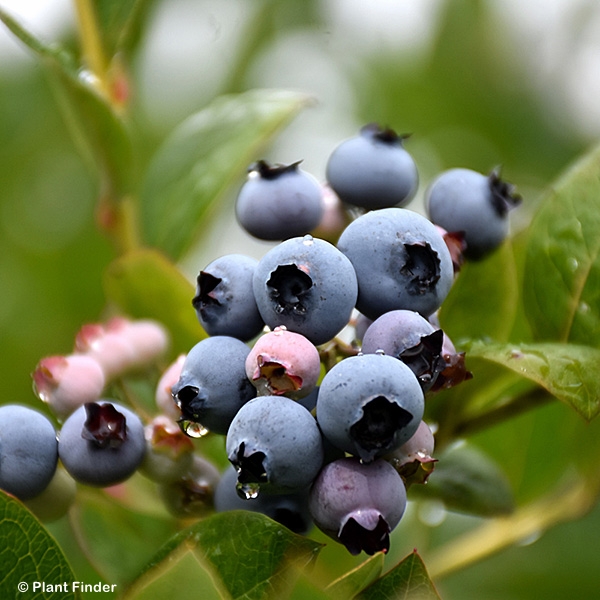
photo courtesy of PlantFinder
VACCINIUM COR JERSEY
Genus: VACCINIUM
trademark info Protected Series:
Height: 5-6 Feet Tall
Spread: 4-5 Feet Wide
Color: blueberry fruit
Full Sun Plants
Full Sun Deciduous Shrub Plants
Deciduous Shrub
Zone: 4
#1920  
            native roots *  


JERSEY HIGHBUSH BLUEBERRY

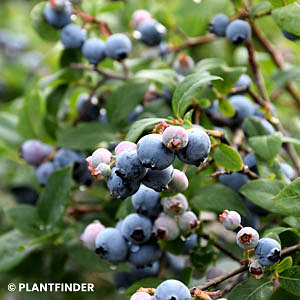
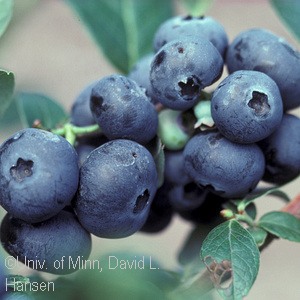
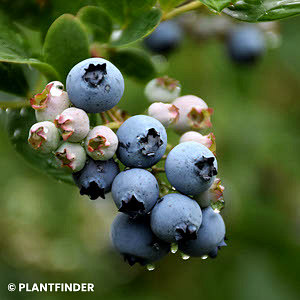
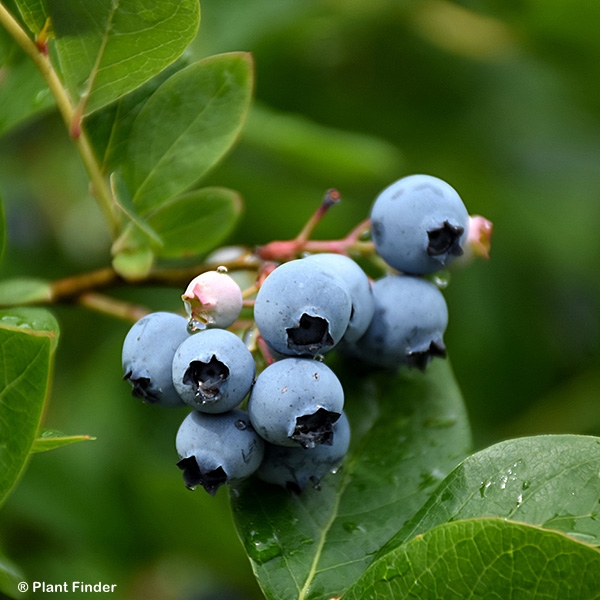
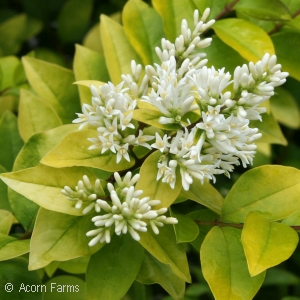
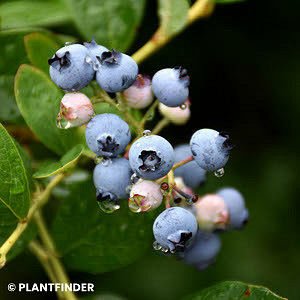
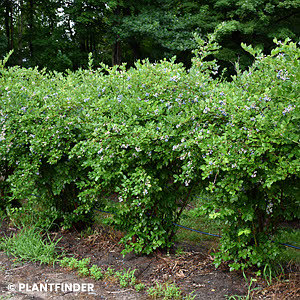
Vaccinium corymbosum 'Jersey' is commonly referred to as Jersey Highbush Blueberry. It is a popular upright, deciduous, open Highbush blueberry with bell-shaped white flowers in May followed by firm, medium sized, light blue blueberries in July. They are great for baking, freezing or eating fresh. It is self-fertile but benefits from cross-pollination as that produces the best fruit and a better harvest.

Jersey Highbush Blueberries thrive in full sun to part shade in rich, fertile, acidic, evenly moist, well-drained soils. It can be grown in mixed shrub borders among other acidic soil lovers such as Rhododendrons and Azaleas. Its fall color is fiery red and quite showy. Prune as needed in late winter in the third year after planting.


PLANT SIZE TYPE GALENA ADD'L DIG SOON
VACCINIUM COR JERSEY con 274000

Any current Availability will be listed above this line. This item will not be in the cart if there is no Galena stock listed here.

KEY:
con = containers - available now
Galena = Above ground and available now
Additional = Remote location, call rep. Not in Shop.
Dig = Still in ground, call rep. Not in Shop.
Soon = Coming soon, call rep. Not in Shop.

(BBnPOT - formerly known as GRSTART - are B&B put into a container - they are available now)

Berries:
Blackberry | Boysenberry/Marionberry | Blueberry | Raspberry |

Cherries and Grapes:
Cherries | Grapes |

Fruit Trees:
Apple Tree | Apricot Tree | Peach Tree | Pear Tree | Plum Tree |


Planting Tips

To help this plant settle in and thrive, we recommend these standard planting practices: Plant in acidic soil with consistent moisture. Water regularly, but avoid overwatering. Mulch around the base to retain moisture and suppress weeds. Fertilize in early spring with an acidic fertilizer. Prune in late winter or early spring to maintain shape and promote new growth.


Available cultivars in this genus: