 Protected Series:
Zone: 4
Protected Series:
Zone: 4WONDERBLUE LILAC
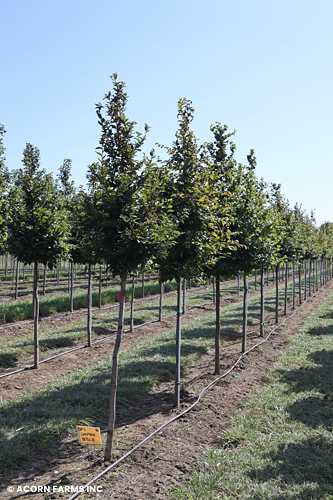
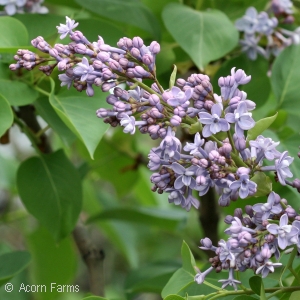
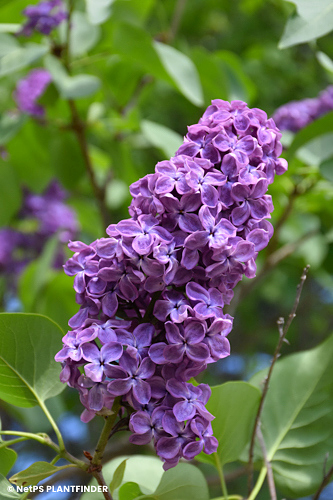
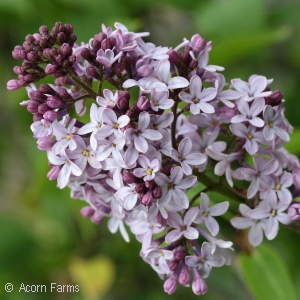
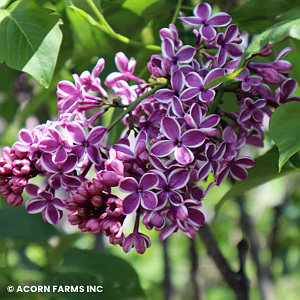
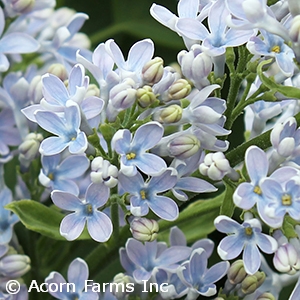
Syringa vulgaris 'Wonderblue' is commonly referred to as Wonderblue Lilac . This selection is a compact grower with single, sky blue, sweetly fragrant flowers that emerge from purple flower buds. It blooms from mid to late May and its heart-shaped green leaves are deer resistant.
Wonderblue Lilac is deer resistant and thrives in rich, fertile, evenly moist, well-drained soils. It is ideal for mass plantings, borders and general landscape use. When pruning, prune immediately after flowering to avoid removing the buds for next year.
| PLANT | SIZE | TYPE | GALENA | ADD'L | DIG | SOON |
Current inventory will be listed above this line. This plant will not be in the cart if there is no Galena stock listed. Contact Sales Rep for details. | Click for Availability column key & information.
To help this plant settle in and thrive, we recommend these standard planting practices: choose a location with full sun and well-draining soil, ensuring the plant has adequate spacing to prevent foliage congestion, which can lead to mildew issues. Provide consistent moisture during its first year and feed with a balanced, slow-release fertilizer in early spring to support its compact, deep-blue habit. As with all vulgaris types, do not prune in late winter or early spring, as this will remove the season's dormant buds; instead, wait until the plant has finished flowering in late spring to perform any thinning or shaping.
ALSO AVAILABLE:
★ ON SALE ★