 Protected Series:
Zone: 3
Protected Series:
Zone: 3BURGUNDY QUEEN® RED FRENCH LILAC
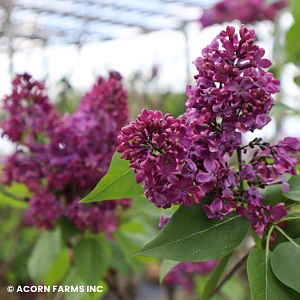
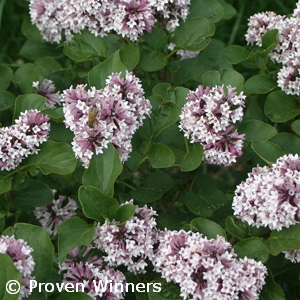
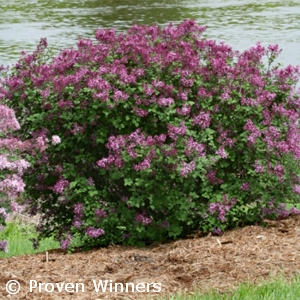
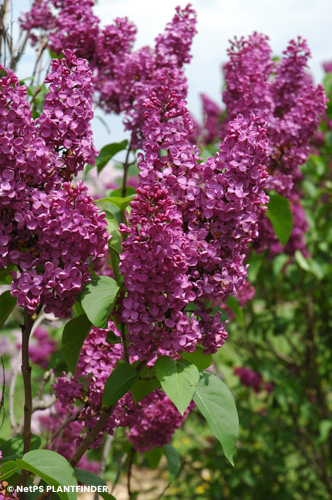
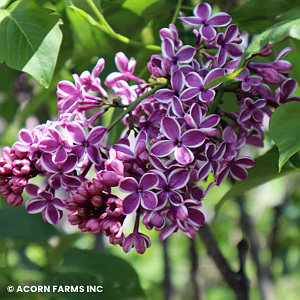
Syringa vulgaris 'LECBURG' Burgundy Queen' is commonly referred to as Burgundy Queen French Lilac. It features a well-branched habit with earlier blooming than many other varieties. Profuse, fragrant clusters of dark burgundy flowers arrive two weeks earlier than other French hybrids and is a wonderful sight in mid-spring.
Burgundy Queen French Lilac thrives in full sun in rich, evenly moist, well-drained soils. When pruning, it is best to prune immediately after flowering so as to not disrupt the next season's buds.
| PLANT | SIZE | TYPE | GALENA | ADD'L | DIG | SOON |
Current inventory will be listed above this line. This plant will not be in the cart if there is no Galena stock listed. Contact Sales Rep for details. | Click for Availability column key & information.
To help this plant settle in and thrive, we recommend these standard planting practices: plant in full sun and well-draining soil, which is critical for maintaining the deep, vibrant color of its dark purple-red florets. Like all vulgaris lilacs, this plant requires consistent moisture during its first year, but once established, it is relatively low-maintenance provided it has enough light. Apply a balanced, slow-release fertilizer in early spring to support the season's growth. Since this variety produces flower buds on the previous year's growth, avoid pruning in late winter or early spring to prevent loss of flowers; instead, conduct any necessary rejuvenation pruning immediately after the spring flowering cycle has ended.
ALSO AVAILABLE:
★ ON SALE ★