SYRINGA PRE JAMES MACFARLANE ACORN FARMS
JAMES MACFARLANE LILAC

SYRINGA PRE JAMES MACFARLANE

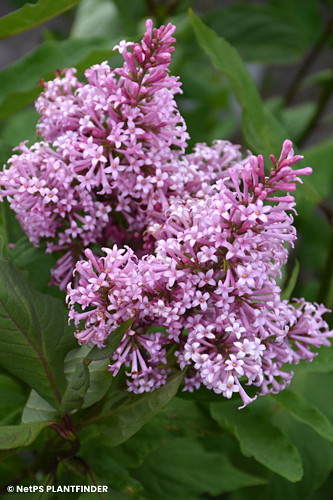
Syringa x prestoniae 'James Macfarlane'
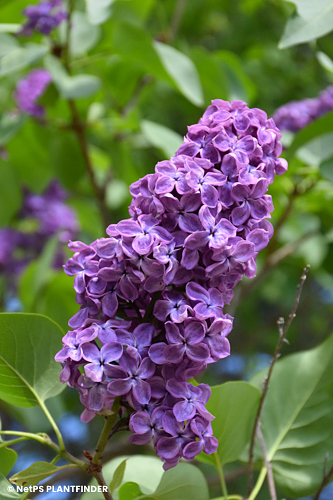
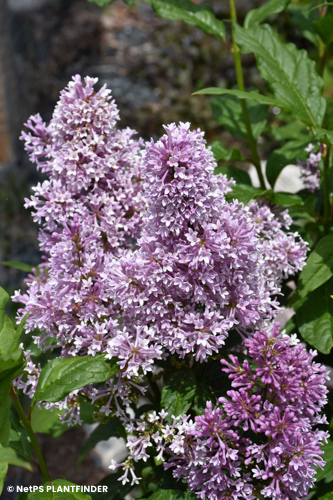
photo courtesy of PlantFinder

JAMES MACFARLANE LILAC

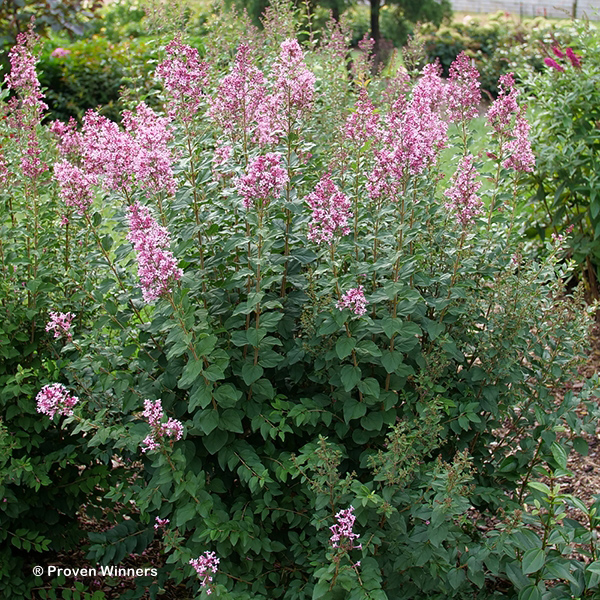
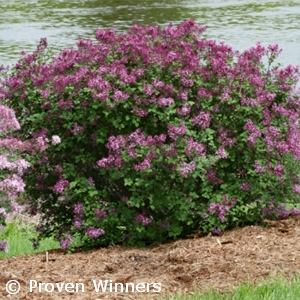
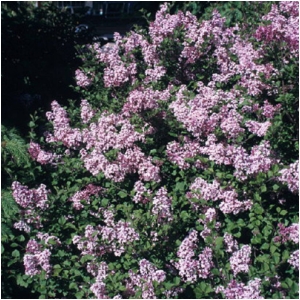
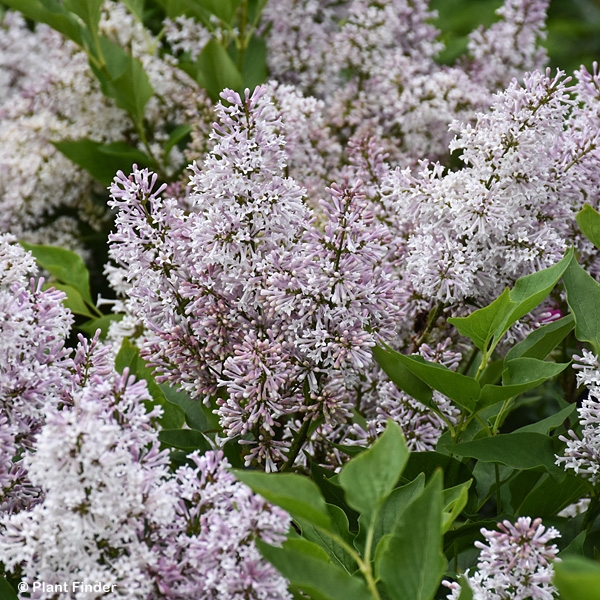
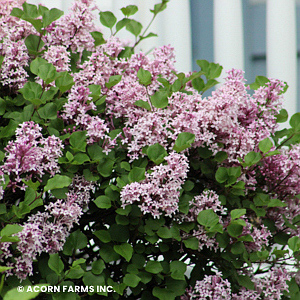
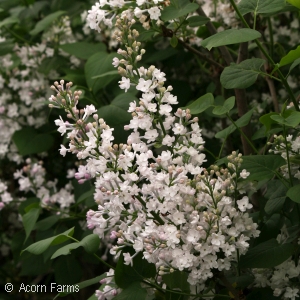
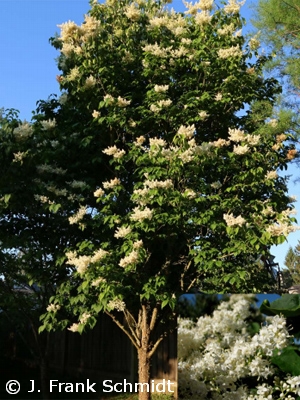
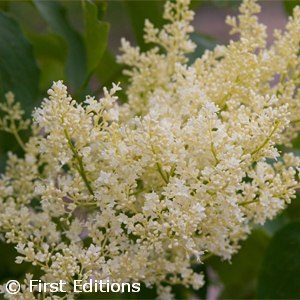
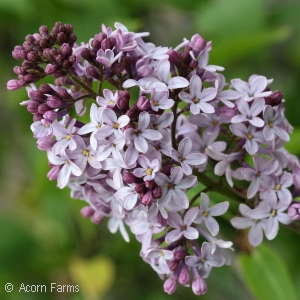
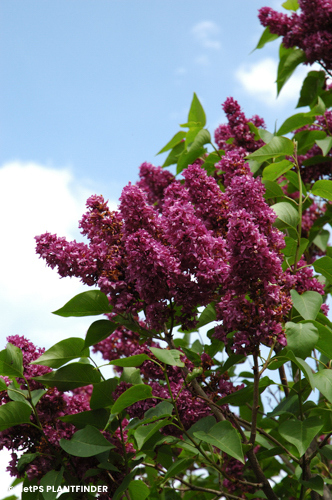
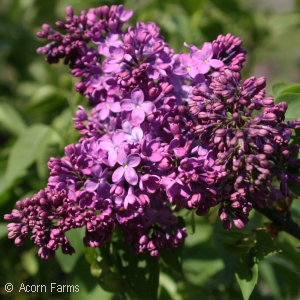
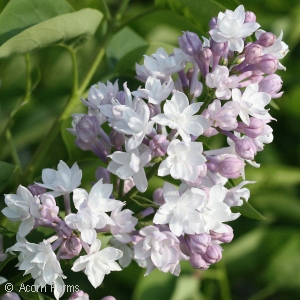
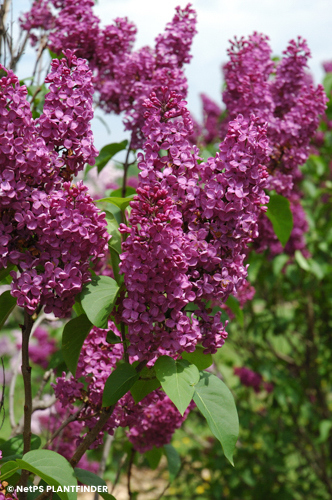
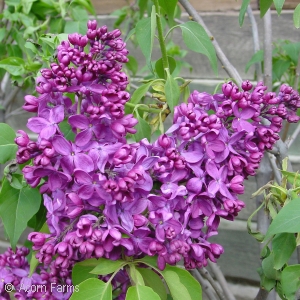
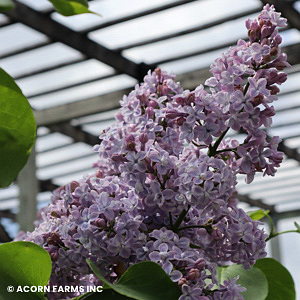
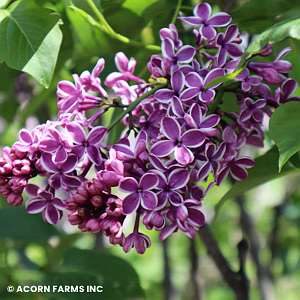
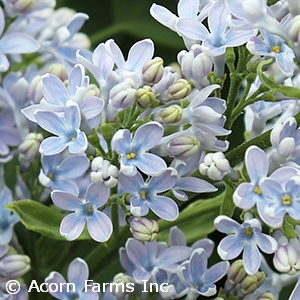
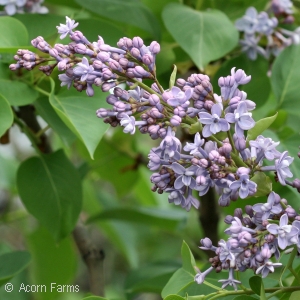
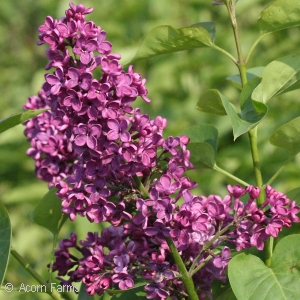
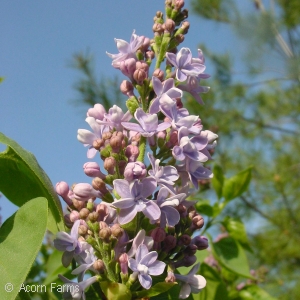
Syringa x prestoniae 'James Macfarlane' is commonly referred to as James Macfarlane Preston Lilac. It is a multi-stemmed, deciduous shrub with large, panicles of bright rosy-purple buds that open to clusters of mildly fragrant, pink flowers in May and June. It blooms two weeks later than the 'vulgaris' hybrids. Typical of most Preston Lilacs, its large, dark green leaves have excellent mildew resistance and turn butter yellow in fall.

James Macfarlane Preston Lilac is an interspecific hybrid and thrives in full sun in rich, fertile, evenly moist, well-drained soils. It is tolerant of urban pollution and can thrive in city environments. If pruning, do so immediately after flowering as this variety blooms on previous season's growth.
Scroll table horizontally to view all stock & quantities →
PLANT SIZE TYPE GALENA ADD'L DIG SOON
SYRINGA PRE JAMES MACFARLANEcon 3120000

Current inventory will be listed above this line. Contact Sales Rep for details. |

KEY:
con = containers - available now
Galena = Above ground and available now
Additional = Remote location, call rep. Not in Shop.
Dig = Still in ground, call rep. Not in Shop (in orange).
Soon = Coming soon, call rep. Not in Shop.

(BBnPOT - formerly known as GRSTART - are B&B put into a container - they are available now)


Planting Tips ⓘ

To help this plant settle in and thrive, we recommend these standard planting practices: choose a planting site that receives full sun and features moist, well-drained soil to support its vigorous growth and true-pink floral display. This cultivar is known for blooming about two weeks later than French hybrids, extending the lilac season into early summer. Maintain consistent moisture throughout the summer months and apply a balanced, slow-release fertilizer each spring. Since 'James MacFarlane' sets its flower buds on old wood, do not prune in late winter or early spring; wait until the bloom cycle is complete in June to perform any deadheading or size control.


More in this Genus:


β˜… ON SALE β˜