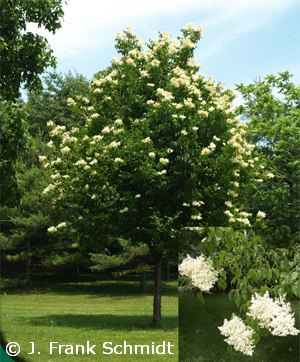
GREAT WALL® PEKING TREE LILAC
| PLANT | SIZE | TYPE | GALENA | ADD'L | DIG | SOON |
|---|---|---|---|---|---|---|
| SYRINGA PEK GREAT WALL | con 10 | 11 | 0 | 0 | 0 | |
| SYRINGA PEK GREAT WALL | con 15 | 24 | 0 | 0 | 0 | |
| SYRINGA PEK GREAT WALL | 1.75 in | 1 | 0 |
1 | 0 | |
| SYRINGA PEK GREAT WALL | 2 in | 0 | 0 |
4 | 0 | |
| SYRINGA PEK GREAT WALL | 2.5 in | 0 | 0 |
2 | 0 |
Current inventory will be listed above this line. Contact Sales Rep for details. | Click for key & info
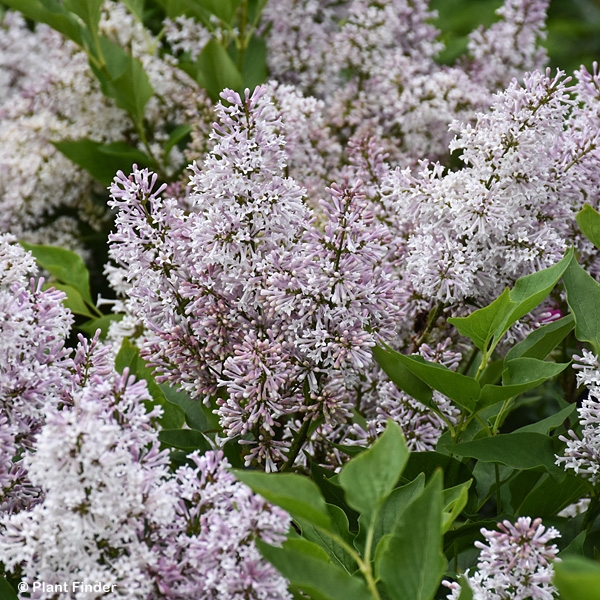
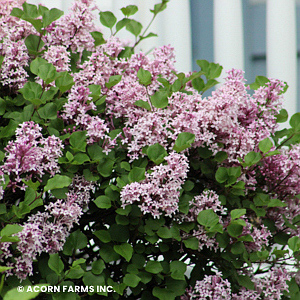
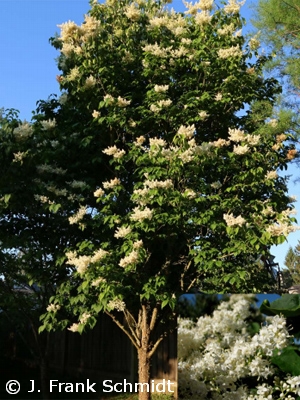
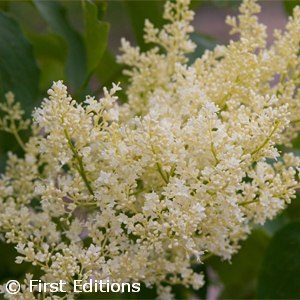
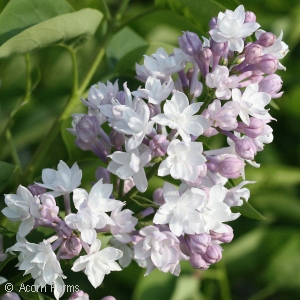
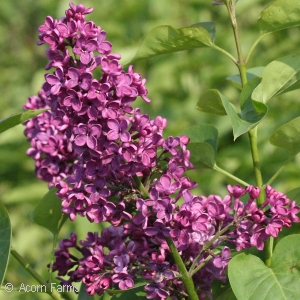
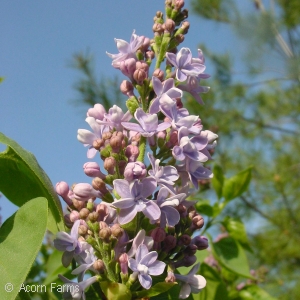
To help this plant settle in and thrive, we recommend these standard planting practices: select a location with full sun and well-draining soil, ensuring the site has enough vertical space for this tree-form lilac to reach its mature height. Unlike shrub varieties, 'Great Wall' is prized for its upright habit and attractive, exfoliating bark, so maintain consistent moisture during the first few growing seasons to establish a deep, resilient root system. Apply a balanced, slow-release fertilizer in early spring to support its mid-June creamy white blooms. Because this species flowers on old wood, do not prune in late winter or early spring; instead, perform any structural pruning or removal of spent flower clusters immediately after the June bloom to preserve next year's flower buds.
More in this Genus:
★ ON SALE ★