SAMBUCUS NIG LACED UP ACORN FARMS

LACED UP™ EUROPEAN ELDERBERRY
SAMBUCUS NIG LACED UP

Sambucus nigra 'SNR1292' PP29051 Can PBRAF 6310

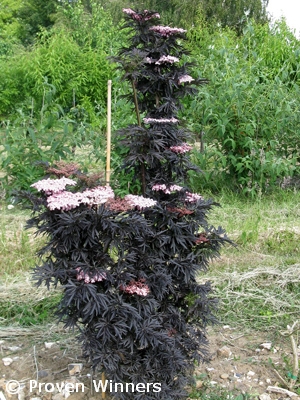
photo courtesy of Proven Winners
SAMBUCUS NIG LACED UP
Genus: SAMBUCUS
trademark info Protected Series:
Height: 8-10 Feet Tall
Spread: 3-4 Feet Wide
Color: black foliage
Full Sun Plants
Full Sun Deciduous Shrub Plants
Deciduous Shrub
Zone: 5
#1332  


LACED UP™ EUROPEAN ELDERBERRY


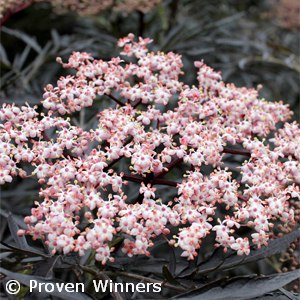
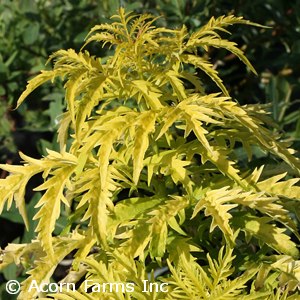
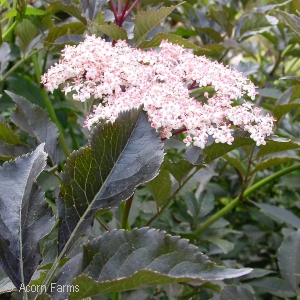
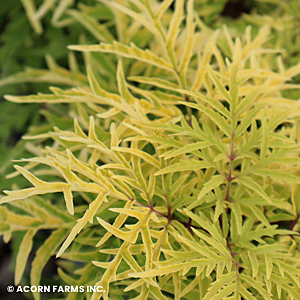
Sambucus nigra Laced Up™ is commonly referred to as Laced Up® Elderberry. This exotic Elderberry looks like it is straight out of a Dr. Seuss book! This Proven Winners® Color Choice® selection was formerly known as Strait Laced® Elderberry. It is noteworthy for its amazingly narrow, upright habit that takes up only a few square feet of ground, but grows up to 8-10 feet tall. It features feathery black foliage that covers broomstick-straight stems that shoot upward in a narrow column. During summer, hundreds of pink flowers bloom on old wood and contrast nicely with its showy foliage.

Laced Up™ Elderberry thrives in full sun in rich, evenly moist, well-drained soils. If you would like it to produce berries, plant it next to Black Beauty, Black Lace or Instant Karma Elderberries for pollination purposes. Pruning or training is not necessary, however, individual shoots that have gone astray can be removed at ground level.


PLANT SIZE TYPE GALENA ADD'L DIG SOON

Current inventory will be listed above this line. This plant will not be in the cart if there is no Galena stock listed. Contact Sales Rep for details. |

KEY:
con = containers - available now
Galena = Above ground and available now
Additional = Remote location, call rep. Not in Shop.
Dig = Still in ground, call rep. Not in Shop (in orange).
Soon = Coming soon, call rep. Not in Shop.

(BBnPOT - formerly known as GRSTART - are B&B put into a container - they are available now)


Planting Tips

To help this plant settle in and thrive, we recommend these standard planting practices: Plant in fertile, moisture-retentive soil with a slightly acidic to neutral pH. For optimal foliage color, select a location with full sun to partial shade, as increased light exposure is essential for maintaining structural integrity in ornamental cultivars. Prune in late winter or early spring before bud break, using hard cuts to stimulate dense, vigorous growth or selective thinning to improve airflow and fruit production. Apply a layer of organic mulch around the root zone to conserve moisture, ensuring it stays away from the crown to prevent stem rot.


AVAILABLE VARIETIES: