WHITE OAK
QUERCUS ALBA
Quercus alba
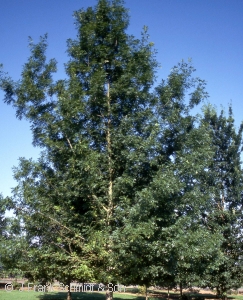
photo courtesy Plant Finder
WHITE OAK
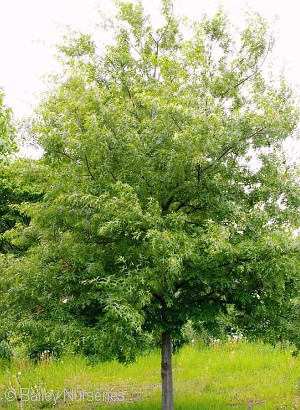
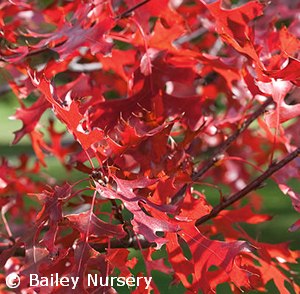
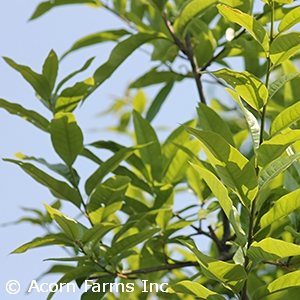
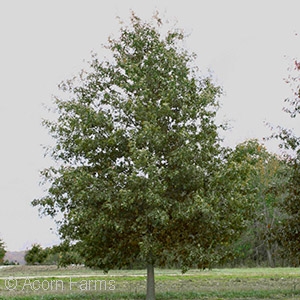
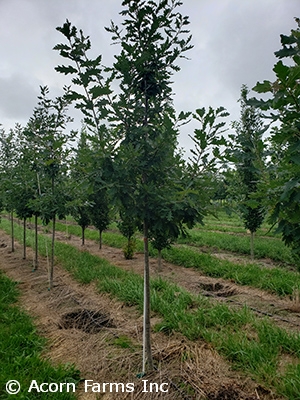
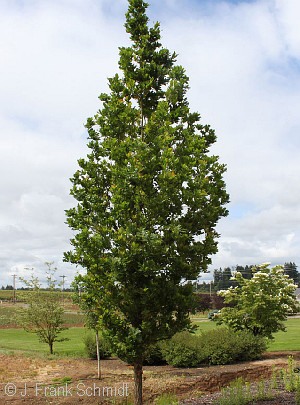
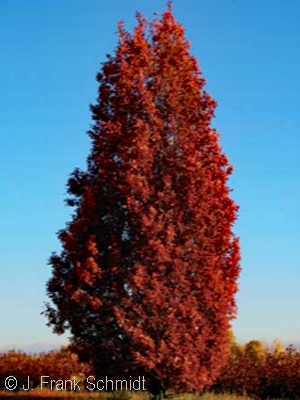
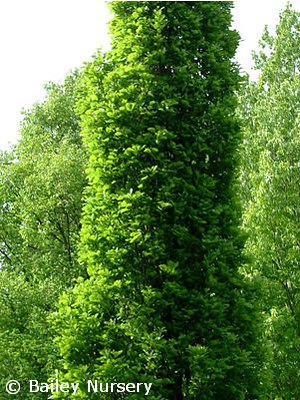
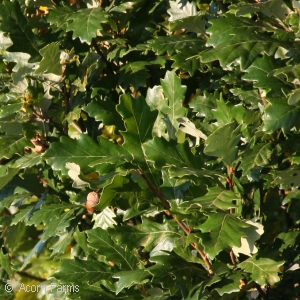
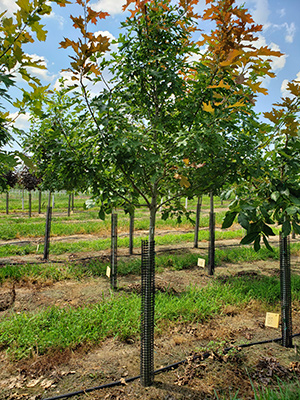
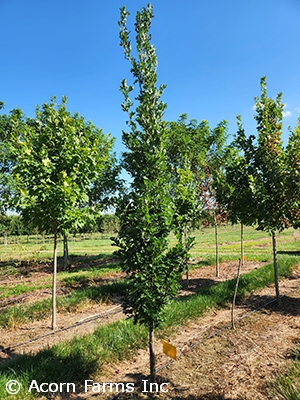
Quercus alba is commonly referred to as the White Oak. It is a long-lived native to eastern and central North America. Specimens have been documented to be as old as 450 years!
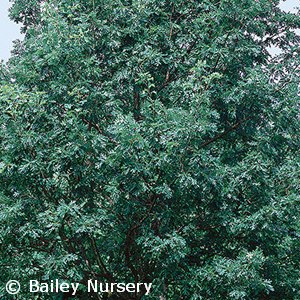
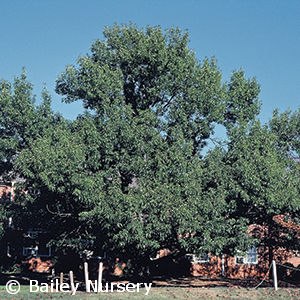
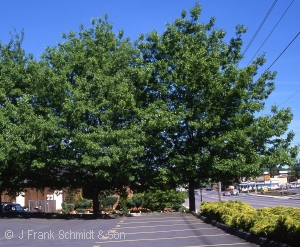
The White Oak is pyramidal when young, but matures into a substantial tree with a wide-spreading, rounded crown. Its bark is light ash-gray, ridged and deeply furrowed with small vertically aligned blocks or scales.
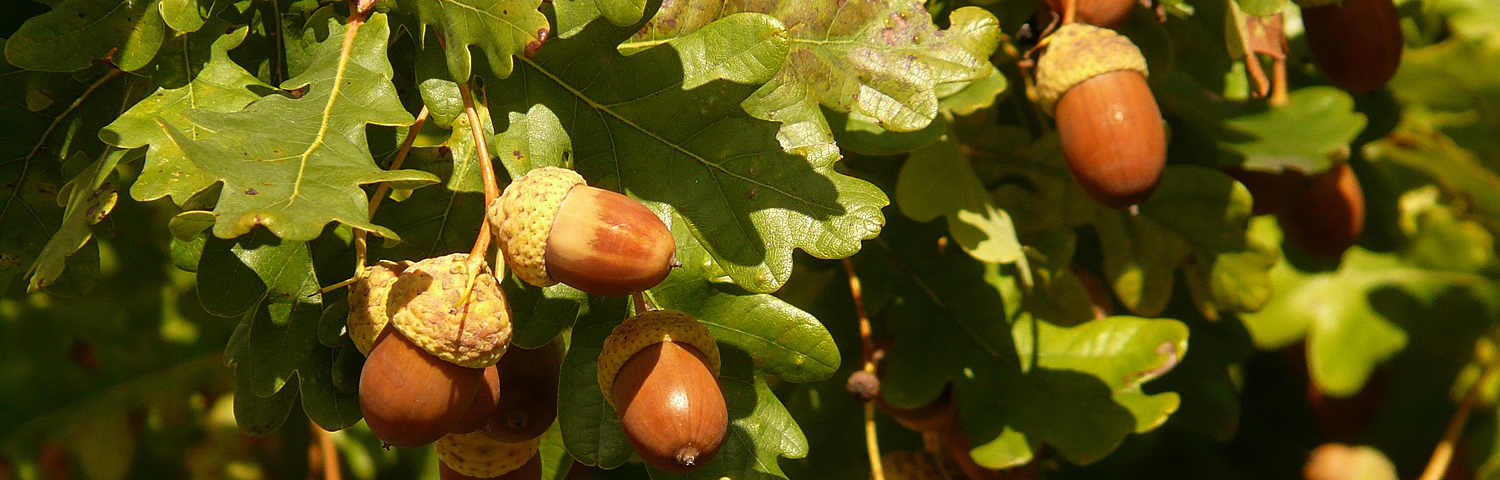
It is best grown in rich, moist, acidic, well-drained loams in full sun. It can adapt to a wide variety of soil conditions and has good drought tolerance once established. Its acorns are about one inch long, chestnut-brown and enclosed at the end in a bowl-shaped, warty-scaled cup with a stalk.
Scroll table horizontally to view all stock & quantities →
| PLANT |
SIZE |
TYPE |
GALENA |
ADD'L |
DIG |
SOON |
| QUERCUS ALBA | con 20 | 1.5 in | 3 | 0 | 0 | 0 |
Current inventory will be listed above this line. Contact Sales Rep for details. |
Click for key & info
KEY:
con = containers - available now
Galena = Above ground and available now
Additional = Remote location, call rep. Not in Shop.
Dig = Still in ground, call rep. Not in Shop (in orange).
Soon = Coming soon, call rep. Not in Shop.
(BBnPOT - formerly known as GRSTART - are B&B put into a container - they are available now)