 Protected Series:
Zone: 4
Protected Series:
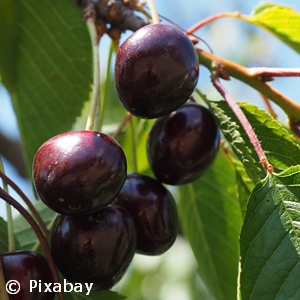
Zone: 4BLACK TARTARIAN SWEET CHERRY TREE
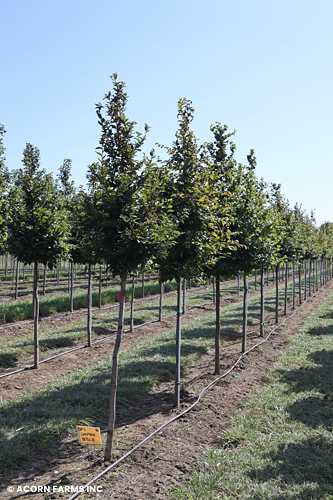
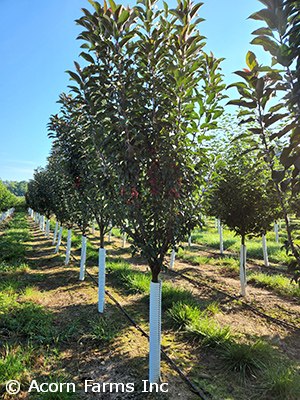
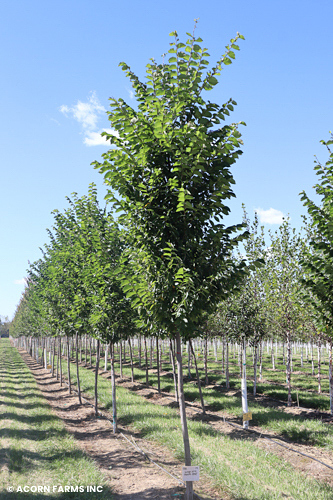
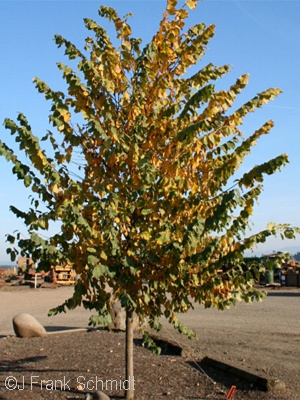
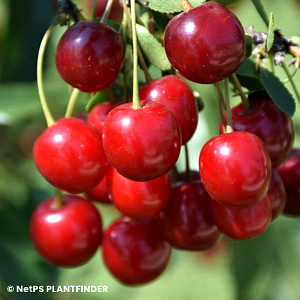
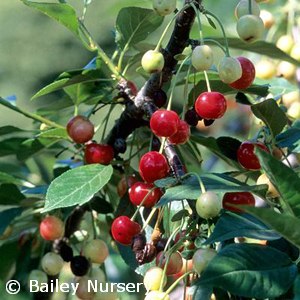
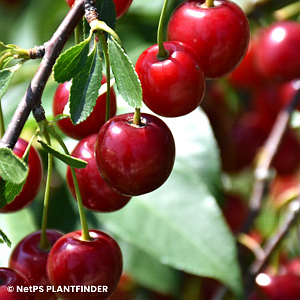
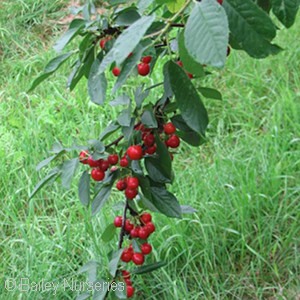
A great choice for home orchards, the Black Tartarian Cherry trees are early bearers of large, cherry-red to purplish-black fruit. Requires cross pollinator with other sweet cherries such as the Stella, Bing, or Rainier. The Black Tartarian makes an excellent pollinator for other cherry varieties. This cultivar prefers light, sandy soil that is moist and well-drained. It is not drought tolerant. It should get at least 6 hours of direct sunlight a day.
| PLANT | SIZE | TYPE | GALENA | ADD'L | DIG | SOON |
| PRUNUS BLACK TARTARIAN | con 10 | 0 | 0 | 0 | 50 |
Current inventory will be listed above this line. This plant will not be in the cart if there is no Galena stock listed. Contact Sales Rep for details. | Click for Availability column key & information.
To help these trees settle in and thrive, we recommend these standard planting practices: Plant in deep, fertile, well-draining soil, selecting a location in full sun to ensure the best fruit production and foliage color. Cherry trees are notoriously sensitive to "wet feet," so ensure the site has excellent drainage and air circulation to prevent fungal issues, avoiding low-lying areas where frost or water can collect.
Provide deep, consistent water during the first few growing seasons until the tree is well established, and monitor soil moisture thereafter to ensure it remains consistently moist but not waterlogged. Prune in late winter or early spring while the tree is dormant to improve structure, remove dead or crossing branches, and encourage productive growth.
ALSO AVAILABLE:

★ ON SALE ★