 Protected Series:
Zone: 3
Protected Series:
Zone: 3WHISKY BLUE HILLS SPRUCE
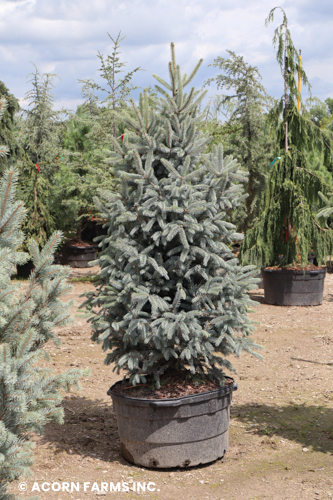
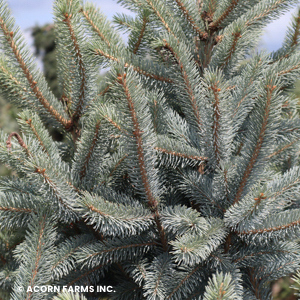
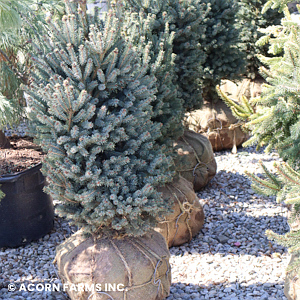
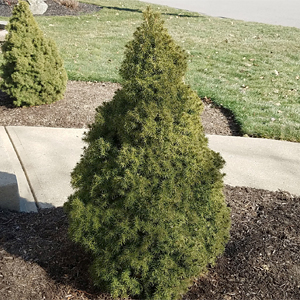
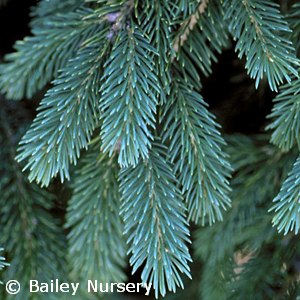
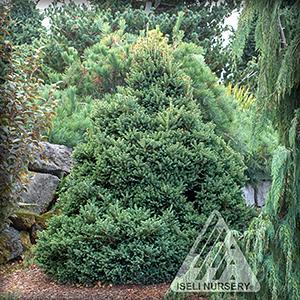
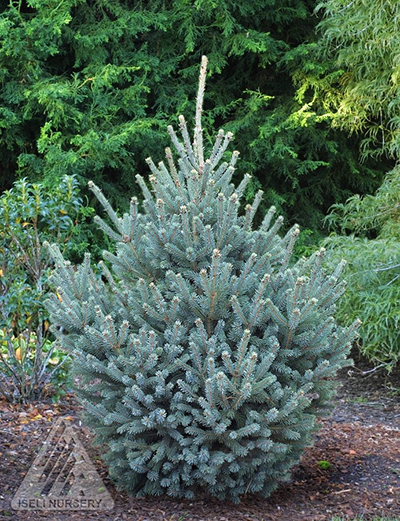
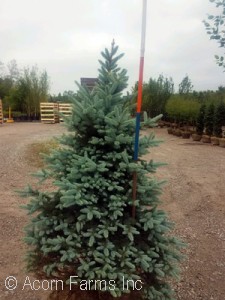
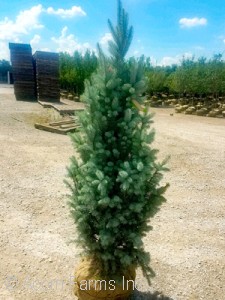
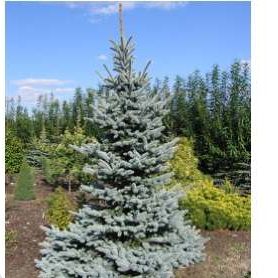
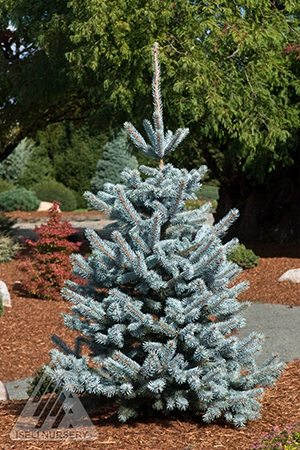
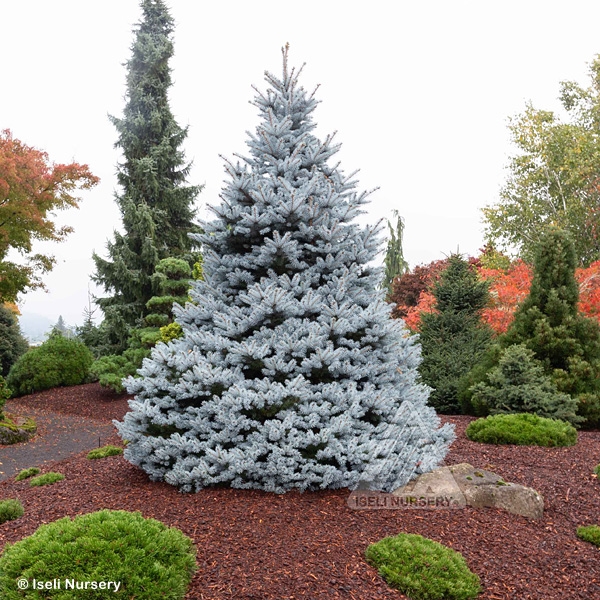
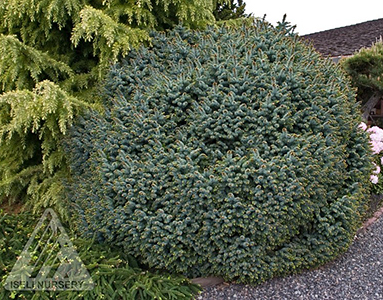
Picea glauca 'Whisky Blue Hills' is commonly referred to as Whisky Blue Hills Spruce. This is a type of Black Hills Spruce. It is very cold-hardy and can withstand temperatures as low as -50 degrees F. It features attractive powdery blue needles with a strong pyramidal habit. It can grow about a foot a year, reaching about 15 feet in 10 years. It can eventually grow to 30 feet tall.
Whisky Blue Hills Spruce makes a terrific substitute for the Colorado Blue Spruce. It thrives in full sun in evenly moist, well-drained soils.
| PLANT | SIZE | TYPE | GALENA | ADD'L | DIG | SOON |
| PICEA GLAUCA WHISKY BLUE HILLS | con 5 | 1 | 0 | 0 | 0 |
Current inventory will be listed above this line. This plant will not be in the cart if there is no Galena stock listed. Contact Sales Rep for details. | Click for Availability column key & information.
To help this plant settle in and thrive, we recommend these standard planting practices: Plant in well-draining soil with a slightly acidic pH. Water regularly, but avoid overwatering. Mulch around the base to retain moisture and suppress weeds. Prune in late winter or early spring to maintain shape and promote healthy growth.
ALSO AVAILABLE:





★ ON SALE ★