RED HEAD FOUNTAIN GRASS
PENNISETUM ALO RED HEAD
Pennisetum alopecuroides 'Red Head'
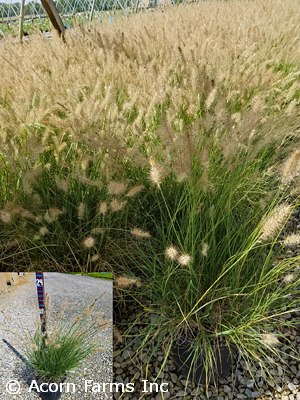
photo copyright Acorn Farms Inc
RED HEAD FOUNTAIN GRASS
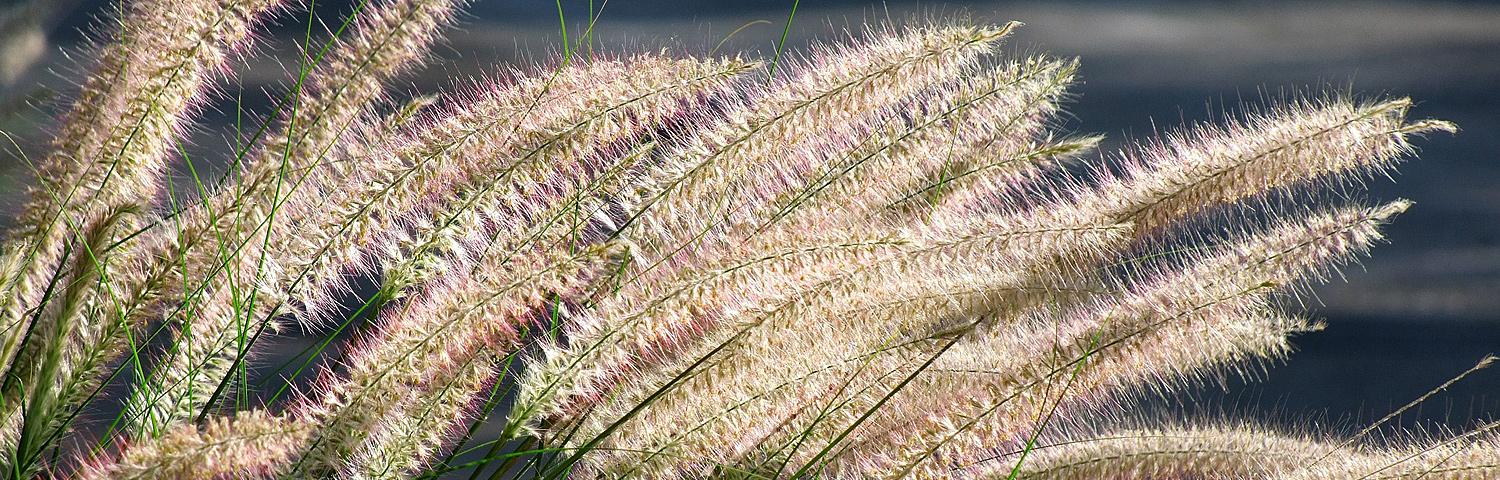
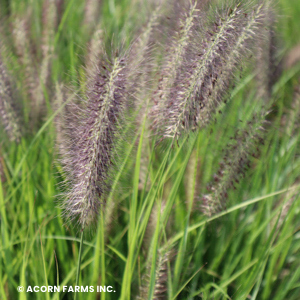
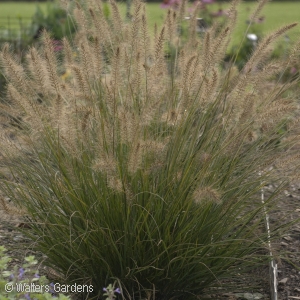
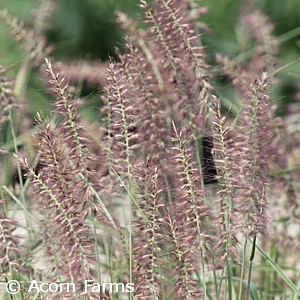
Pennisetum alopecuroides 'Red Head', commonly known as Red Head Fountain Grass, is a highly popular and eye-catching ornamental grass. It is celebrated for its dramatic appearance and ease of care, making it a favorite for both home gardeners and professional landscapers. The most notable feature of 'Red Head' are its large, striking flower plumes. They emerge in mid to late summer as smoky, dark red, or burgundy-purple bottlebrushes, resembling large foxtails. These plumes are particularly impressive when backlit by the sun, creating a showy display. The plumes can be up to 8-10 inches long and turn a beautiful buff or tan color in the fall and winter, providing long-lasting interest.
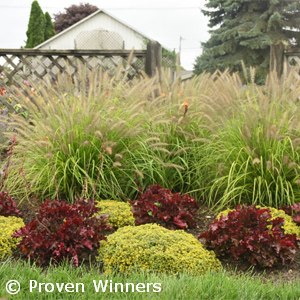
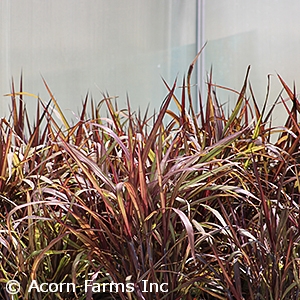
Pennisetum 'Red Head' is a low-maintenance, warm-season grass that is exceptionally versatile. It is ideal for a variety of uses, including specimen plant, mass planting, beds and borders. Red Head is a perfect fit for a more naturalistic landscape. It offers multi-season appeal. Its deep green, gracefully arching foliage is lush in the summer, turns a lovely golden-yellow in the fall, and fades to a buff color, maintaining an attractive form through the winter. It is a hardy and resilient grass that is drought tolerant once established. It is also deer resistant. It thrives in full sun but can tolerate some partial shade, although full sun encourages the best flower production. It adapts well to a variety of soil types, as long as they are well-drained.
con 2:
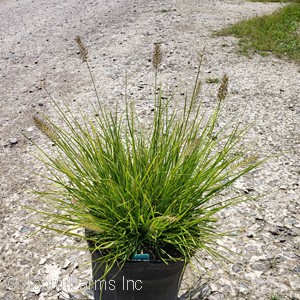
Seed Heads. Nice Foliage. Full Pot.
Scroll table horizontally to view all stock & quantities →
| PLANT |
SIZE |
TYPE |
GALENA |
ADD'L |
DIG |
SOON |
| PENNISETUM ALO RED HEAD | con 2 | | 41 | 690 | 0 | 0 |
| PENNISETUM ALO RED HEAD | con 5 | | 16 | 0 | 0 | 0 |
Current inventory will be listed above this line. Contact Sales Rep for details. |
Click for key & info
KEY:
con = containers - available now
Galena = Above ground and available now
Additional = Remote location, call rep. Not in Shop.
Dig = Still in ground, call rep. Not in Shop (in orange).
Soon = Coming soon, call rep. Not in Shop.
(BBnPOT - formerly known as GRSTART - are B&B put into a container - they are available now)