 Protected Series:
Zone: 3
Protected Series:
Zone: 3EMERALD SENTINEL™ EASTERN REDCEDAR
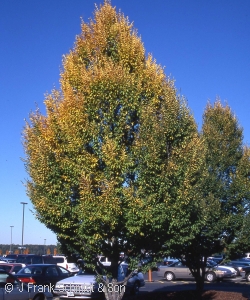
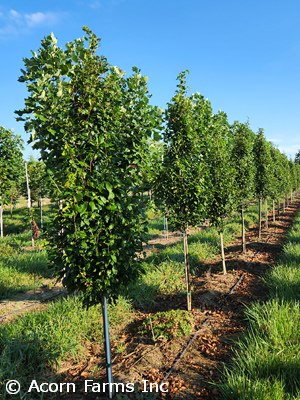
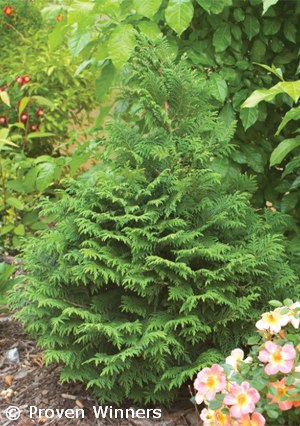
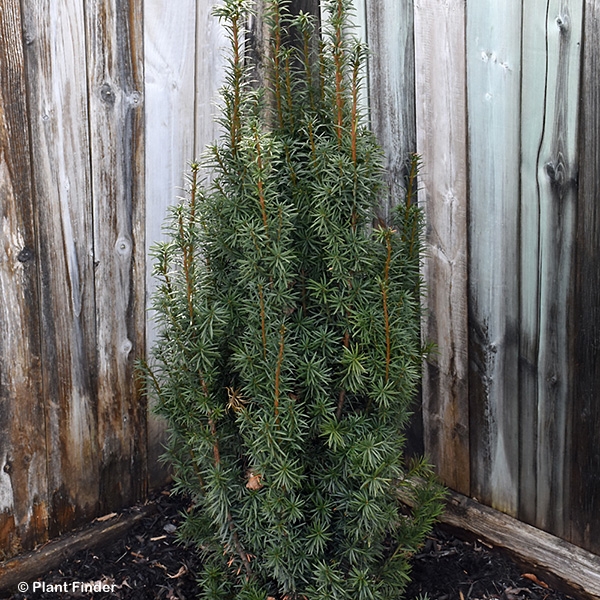
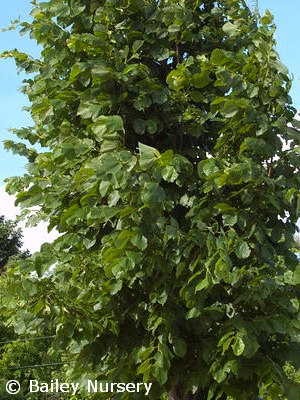
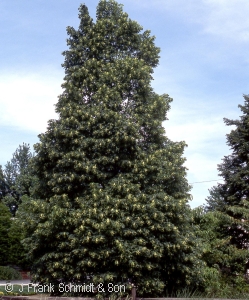
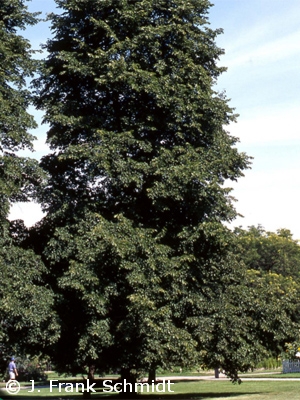
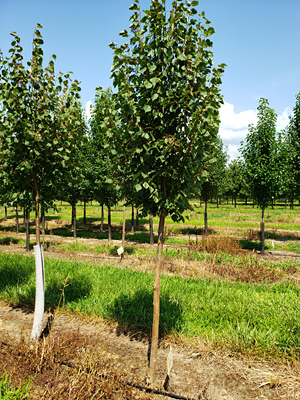
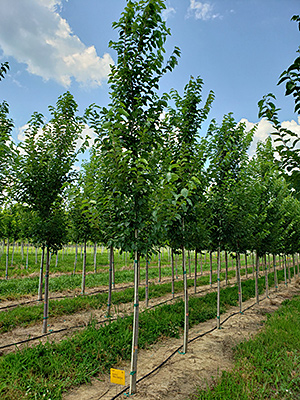
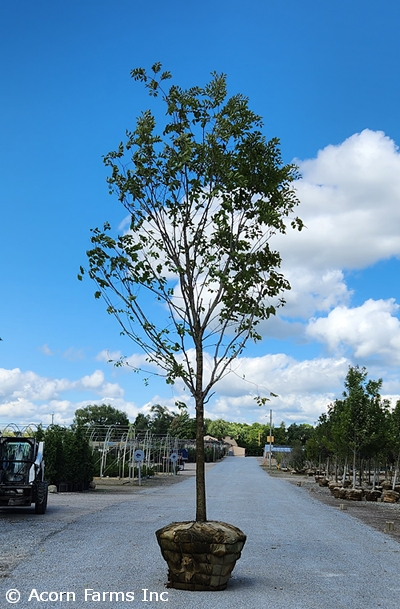
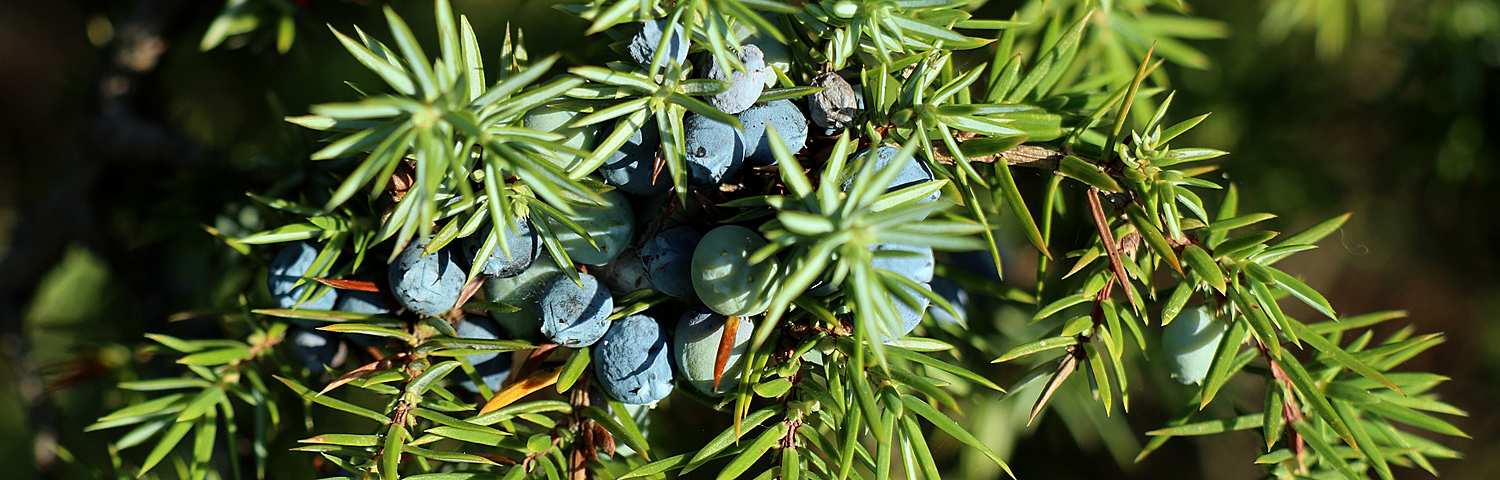
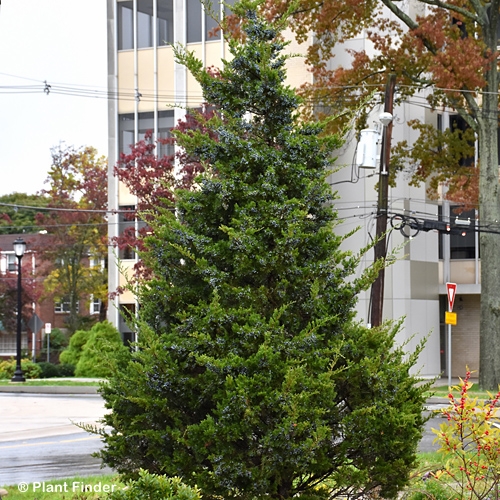
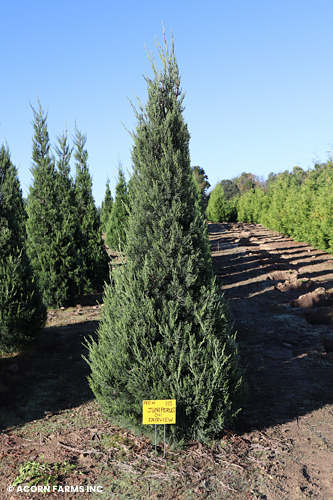
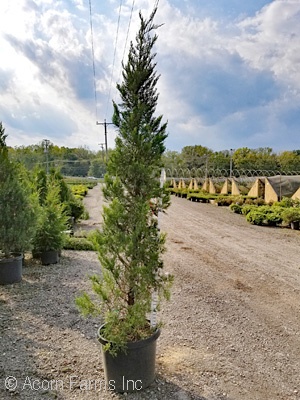
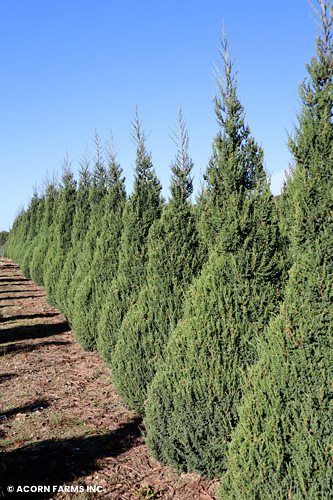
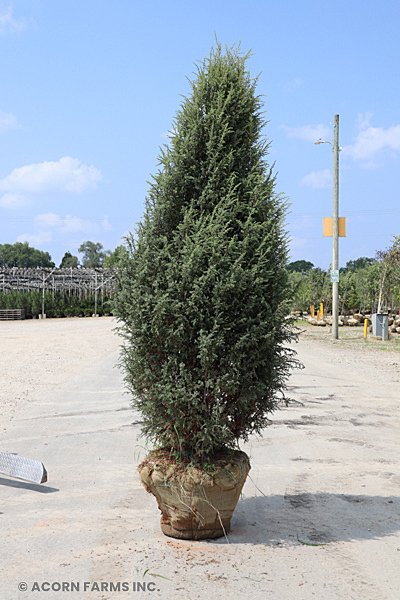
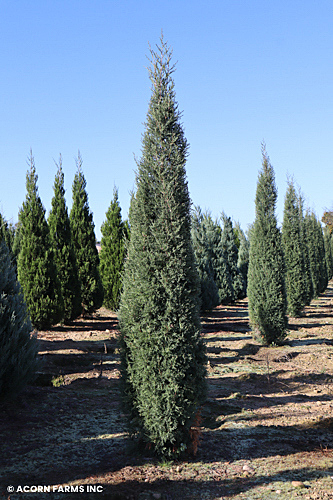
Juniperus virginiana 'Corcorcor' Emerald Sentinel™ is commonly known as Emerald Sentinel™ Juniper. It is a superior cultivar of the native Eastern Redcedar, specifically for its refined form and exceptional hardiness. Unlike other varieties, Emerald Sentinel™ boasts a dense, narrow, and upright pyramidal habit that requires little to no pruning to maintain its clean lines. Its foliage is a rich, vibrant green that holds its color consistently throughout the year with minimal winter bronzing, a common trait in other juniper cultivars. As a female clone, it produces a heavy crop of attractive, waxy, blue berries in fall and winter, which provide a valuable food source for birds and add a striking visual element to the winter landscape.
Emerald Sentinel™ is an excellent choice for a wide range of challenging landscape conditions. It thrives in full sun and is highly adaptable to various soil types and pH levels, from average to sandy or even wet sites, as long as there is no standing water. It is remarkably drought-tolerant once established and can handle urban pollution and salt spray, making it a reliable option for street-side plantings or urban gardens. Ideal as a living fence, privacy screen or a windbreak, while also serving as a beautiful vertical accent in the garden bed.
| PLANT | SIZE | TYPE | GALENA | ADD'L | DIG | SOON |
Current inventory will be listed above this line. This plant will not be in the cart if there is no Galena stock listed. Contact Sales Rep for details. | Click for Availability column key & information.
To help this plant settle in and thrive, we recommend these standard planting practices: Plant in well-draining soil, selecting a location that receives full sun to ensure the best foliage color and density. These evergreen shrubs are incredibly durable and heat-tolerant, though they require consistent water during the first season until the root system is well established; thereafter, they are notably drought-tolerant.
Prune as needed in late winter or early spring to manage size or remove dead wood, but avoid aggressive shearing that exposes the inner woody stems. Apply a layer of organic mulch around the root zone to conserve moisture and suppress weeds, taking care to keep the material a few inches away from the crown to prevent stem rot.
ALSO AVAILABLE:

★ ON SALE ★