 Protected Series: FLORALBERRY
Zone: 5
Protected Series: FLORALBERRY
Zone: 5FLORALBERRY™ CHAMPAGNE ST JOHNSWORT
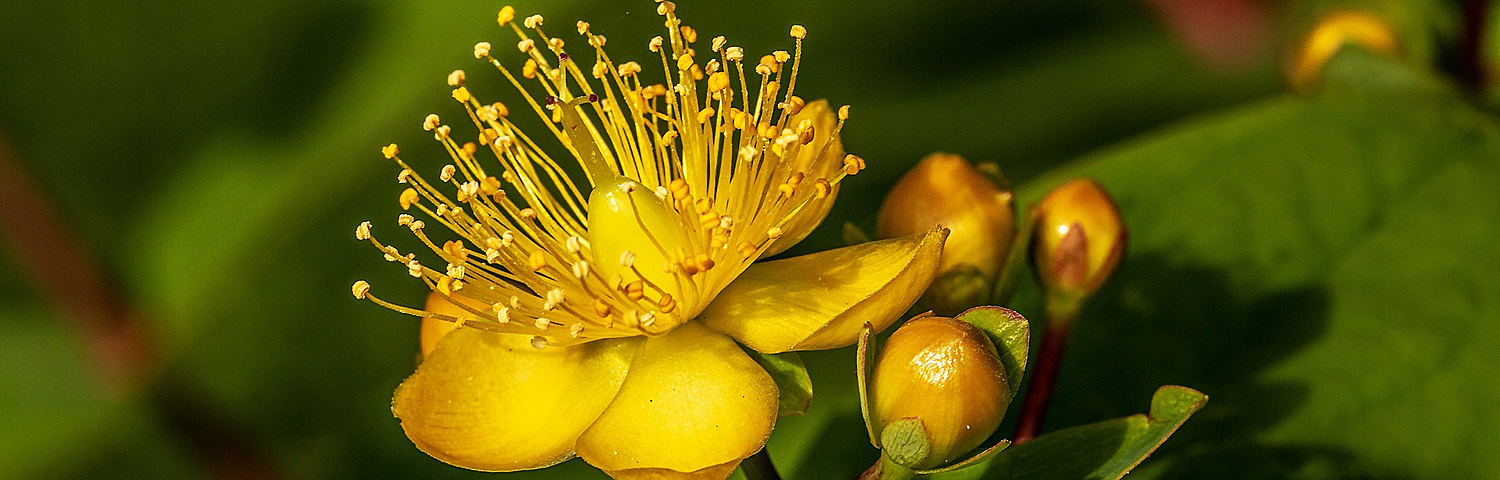
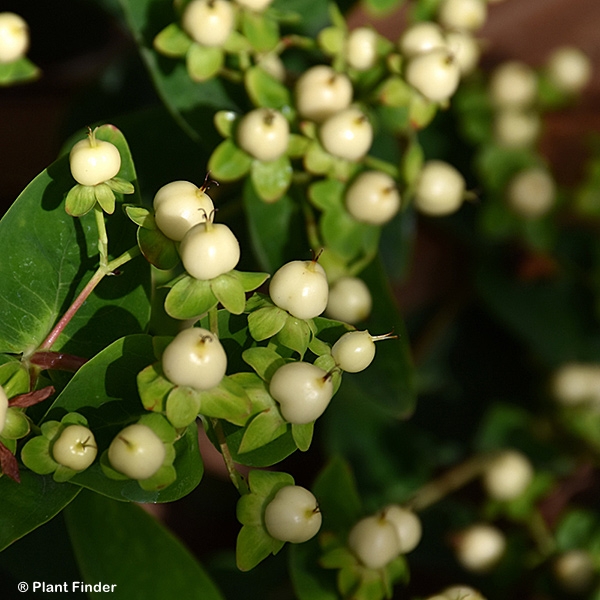
Hypericum x inodorum Floralberry™ Champagne is a stunning and versatile deciduous shrub prized for its beautiful multi-season interest, making it a favorite for gardeners and floral designers alike. As part of the Floralberry® series, this particular cultivar was bred for the cut flower industry, ensuring it produces a generous and consistent display of decorative berries. The plant's handsome, dark green foliage serves as a perfect backdrop for its buttery-yellow, cup-shaped flowers that appear in early to mid-summer. However, the true show comes in late summer and fall, when these flowers give way to clusters of magnificent, creamy-white berries that are a unique and eye-catching feature in the autumn landscape.
Caring for Floralberry™ Champagne is simple due to its robust and adaptable nature. It thrives in full sun (at least 6 hours of direct sunlight per day). It can tolerate partial shade, but you may see a reduction in flowering and fruiting. It enjoys a wide range of soil types, but the most crucial factor is good drainage. It will not tolerate soggy or standing water. Whether used as a specimen plant, a low hedge, in mass plantings, or in containers, its decorative berries and appealing foliage provide a unique element of color and texture. The berry-laden stems are also excellent for harvesting and adding to floral arrangements, bringing the beauty of the garden indoors.
| PLANT | SIZE | TYPE | GALENA | ADD'L | DIG | SOON |
Current inventory will be listed above this line. This plant will not be in the cart if there is no Galena stock listed. Contact Sales Rep for details. | Click for Availability column key & information.
To help this plant settle in and thrive, we recommend these standard planting practices: Plant in well-draining soil, selecting a location that receives full sun to partial shade. While these shrubs are adaptable to a wide range of soil conditions, providing maximum sun exposure helps ensure the most prolific bloom cycle and best foliage color throughout the season. Consistent water is necessary during the first year of establishment to ensure long-term health. Prune in late winter or early spring, cutting back old growth to encourage vigorous new stems and maintain a dense, compact form. This is essential for preventing the plant from becoming woody or leggy over time.
ALSO AVAILABLE:
★ ON SALE ★