 Protected Series:
Zone: 3
Protected Series:
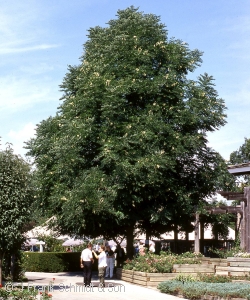
Zone: 3KENTUCKY COFFEE TREE
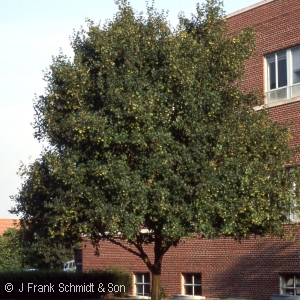
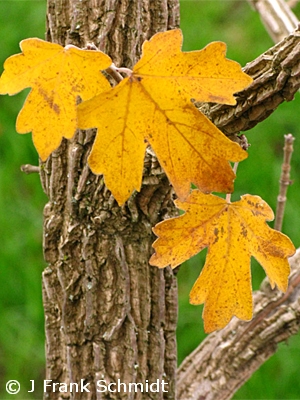
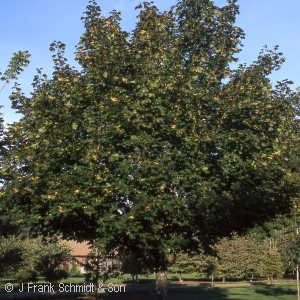
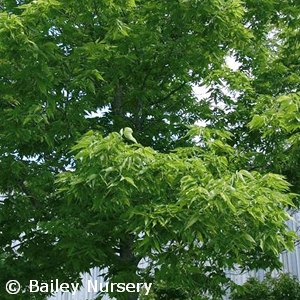
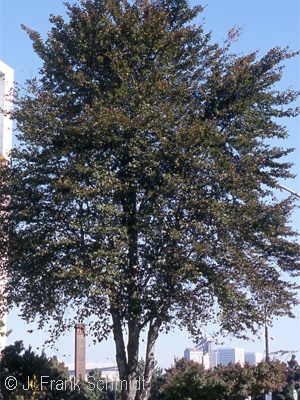
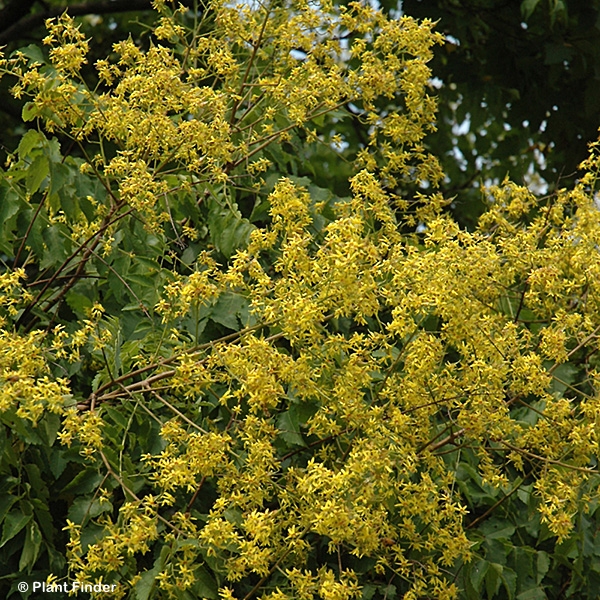
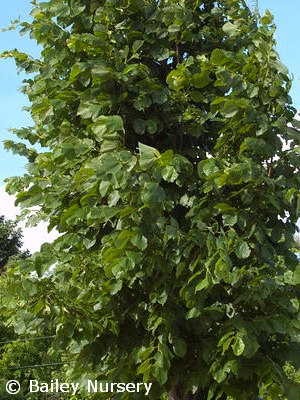
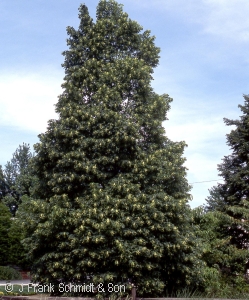
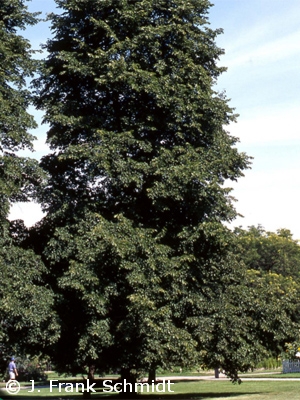
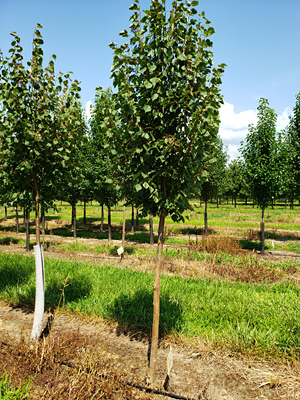
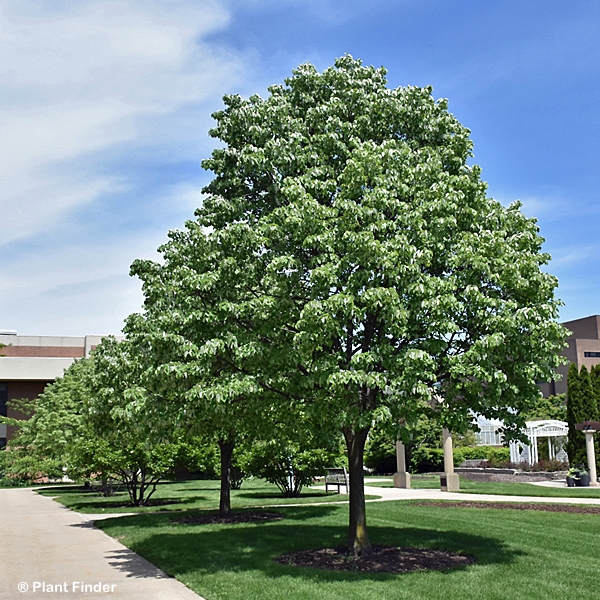
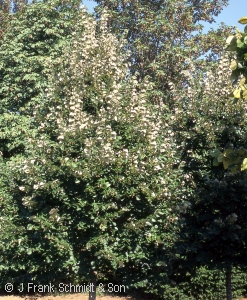
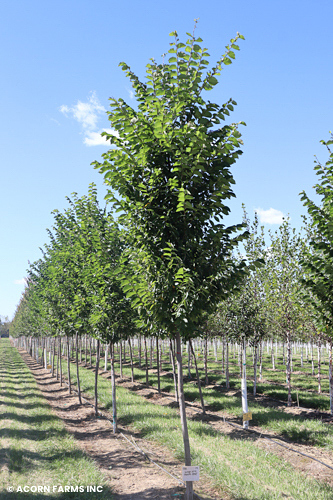
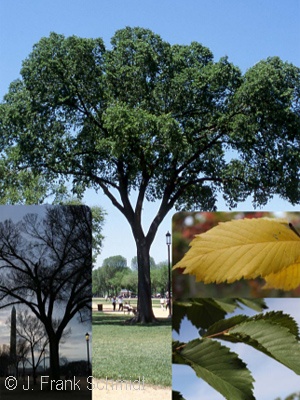
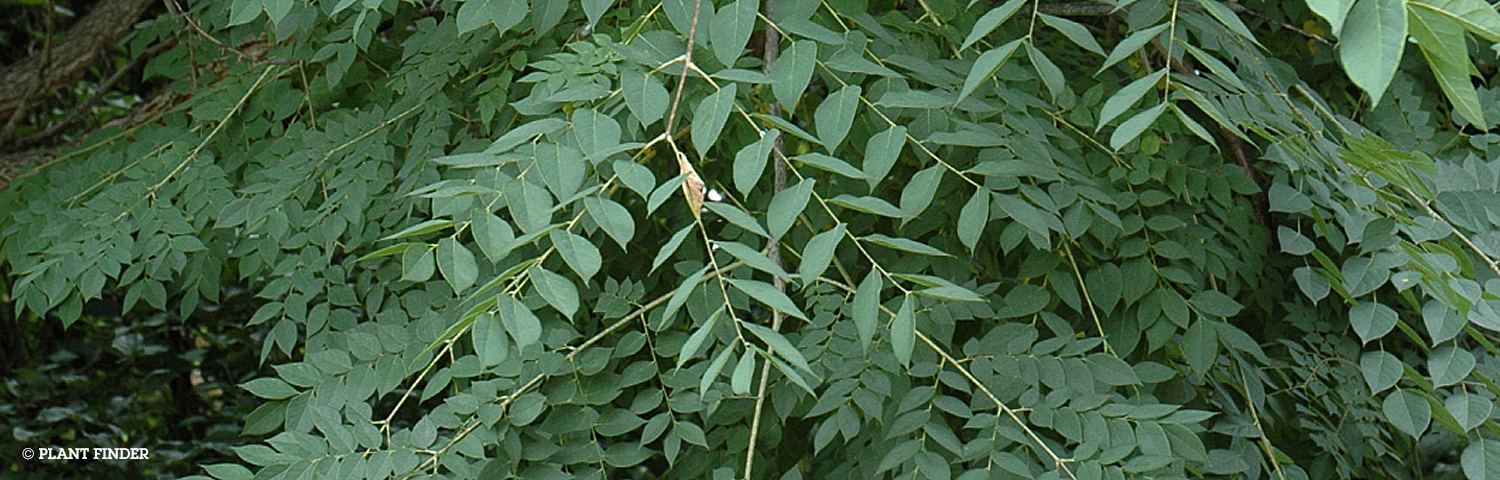
Gymnocladus dioicus is commonly referred to as the Kentucky Coffee Tree. It is a large, native deciduous tree that is easily recognized by its massive bipinnately compound leaves in summer and its bold outline in winter. It features large blue-green leaves that turn yellow in fall. Its bark is gray, deeply furrowed into narrow scaly ridges. It has salmon color on the underside of plates that curl from the side. Its fruit is a flat pod about 3-8 inches long and reddish in color. It contains six or more dark brown lima bean-sized seeds that ripen in late summer.
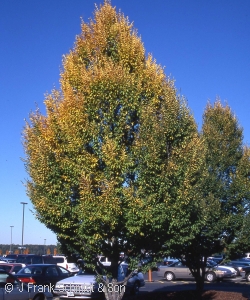
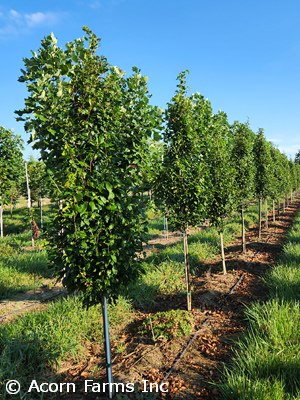
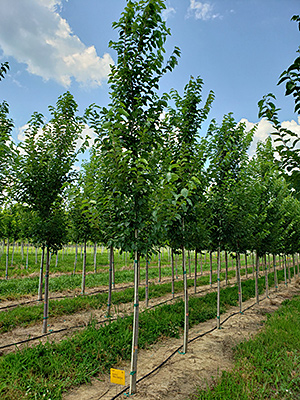
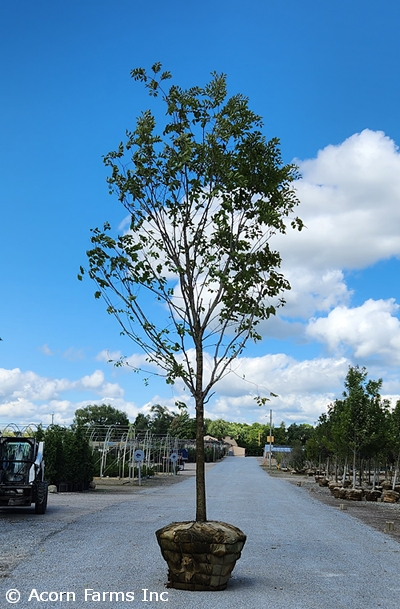
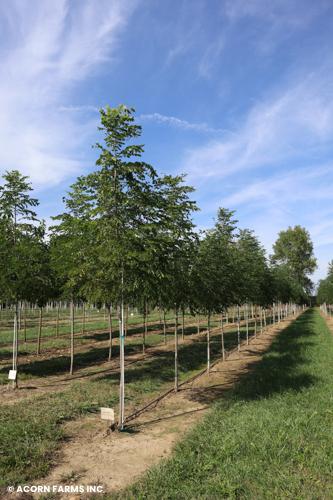
The Kentucky Coffee Tree enjoys an area that is roomy enough for it to grow and spread. This tree can reach a height of 60-70 feet with a spread of 40-50 feet. It enjoys full sun in average, well-drained soils. It is suitable for open areas such as parks and golf courses. It is adaptable and heat tolerant with an interesting winter appearance.
| PLANT | SIZE | TYPE | GALENA | ADD'L | DIG | SOON |
Current inventory will be listed above this line. This plant will not be in the cart if there is no Galena stock listed. Contact Sales Rep for details. | Click for Availability column key & information.
To help this plant settle in and thrive, we recommend these standard planting practices: Plant in a location with full sun to partial shade. Water regularly, but avoid overwatering. Fertilize in the spring with a balanced fertilizer to promote healthy growth. Prune in late winter or early spring to maintain shape.
ALSO AVAILABLE:
★ ON SALE ★