CURLY TOPS SAWARA FALSECYPRESS
CHAMAECYPARIS PIS CURLY TOPS
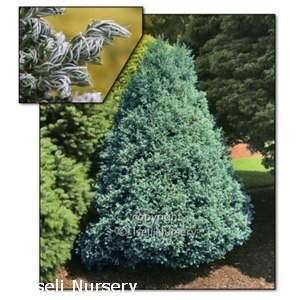
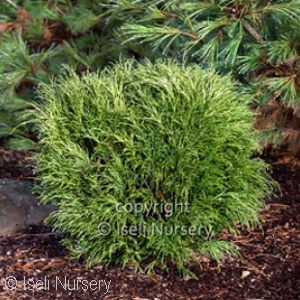
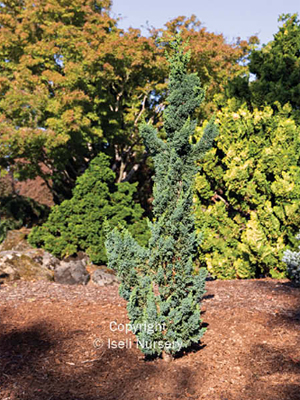
Chamaecyparis pisifera 'Curly Tops'
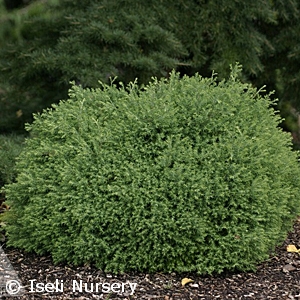
photo courtesy of Iseli Nursery
CURLY TOPS SAWARA FALSECYPRESS
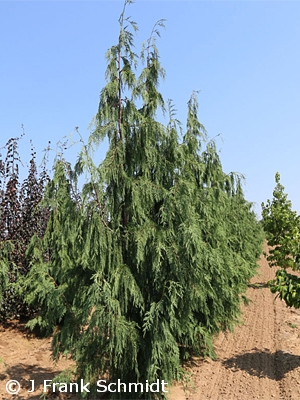
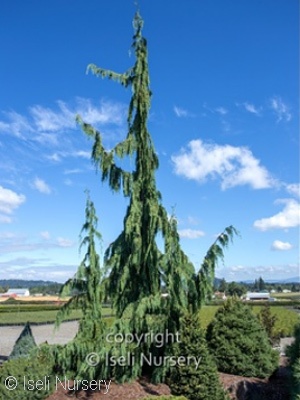
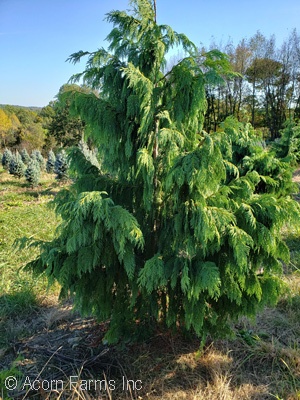
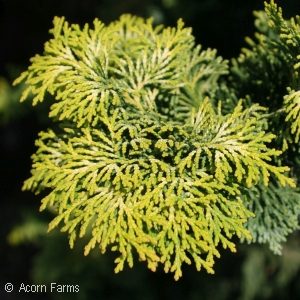
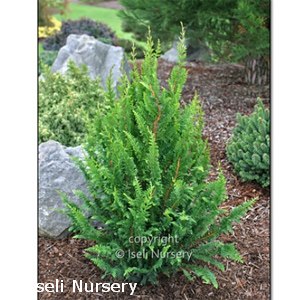
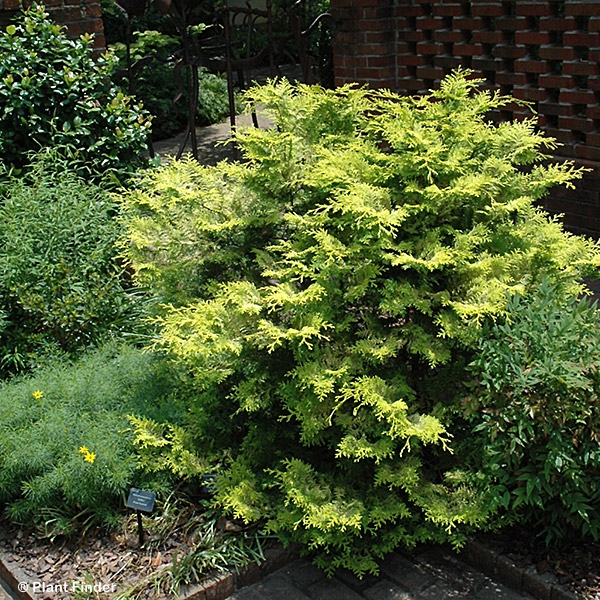
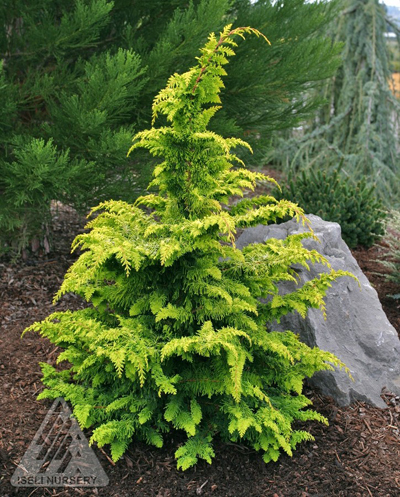
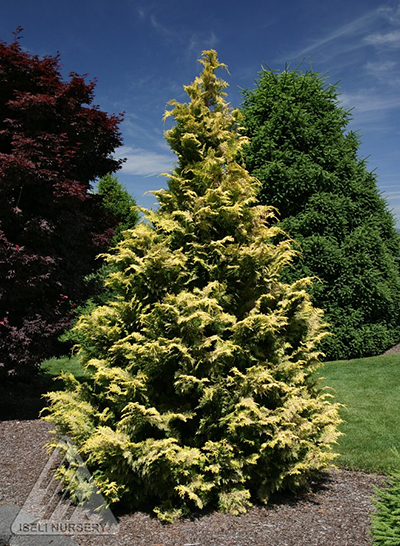
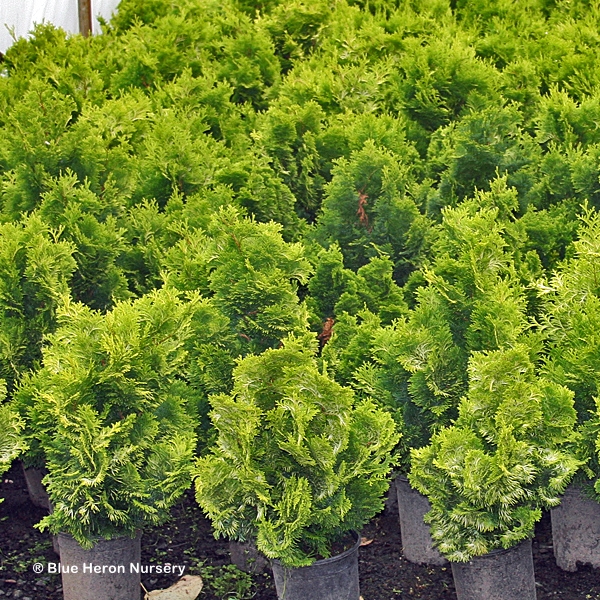
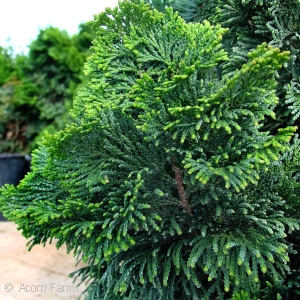
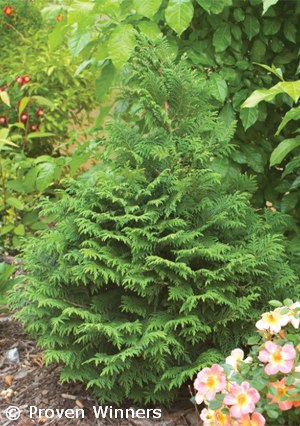
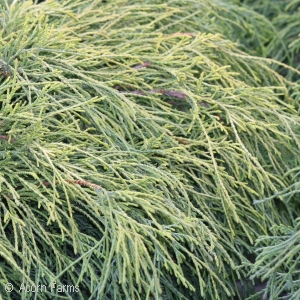
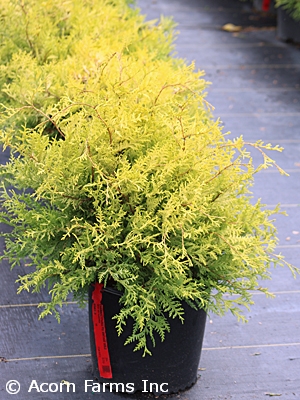
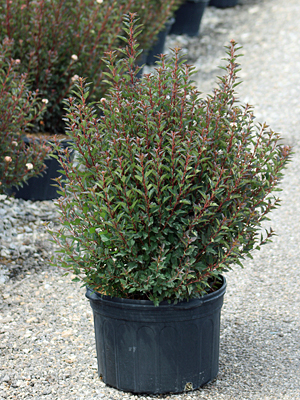
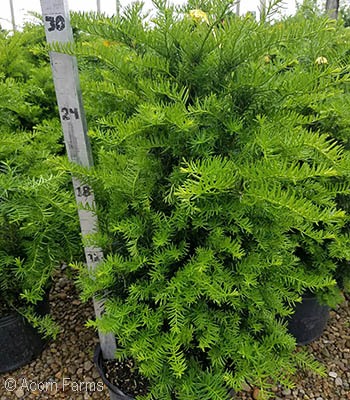
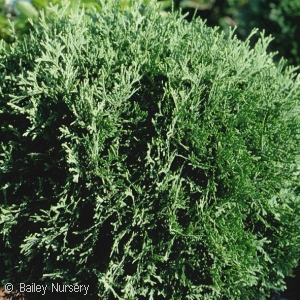
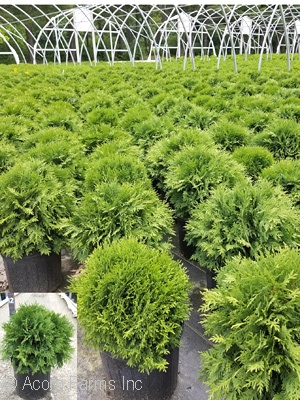
Chamaecyparis pisifera 'Curly Tops' is commonly referred to as Curly Tops Sawara Cypress or Curly Tops Japanese Cypress. It is a dense, compact, globose, semi-dwarf conifer named for its unique twisted, bright silvery blue needles. When placed in partial sun, the needles turn a deeper blue. Its lateral shoots are curled, revealing white bands which are surprisingly soft to the touch.
Curly Tops Sawara Cypress grows very slowly, eventually reaching a mature height of approximately 4-5' tall. It is an intermediate grower, growing approximately 6-8 inches annually. It is easily grown in average, evenly moist, well-drained soils and thrives in part shade. Shelter from strong winds is beneficial, and it will not tolerate poorly-drained soils.
Scroll table horizontally to view all stock & quantities →
| PLANT |
SIZE |
TYPE |
GALENA |
ADD'L |
DIG |
SOON |
| No current sizes listed in database. |
Current inventory will be listed above this line. Contact Sales Rep for details. |
Click for key & info
KEY:
con = containers - available now
Galena = Above ground and available now
Additional = Remote location, call rep. Not in Shop.
Dig = Still in ground, call rep. Not in Shop (in orange).
Soon = Coming soon, call rep. Not in Shop.
(BBnPOT - formerly known as GRSTART - are B&B put into a container - they are available now)