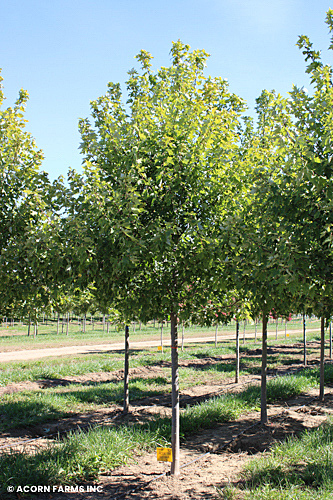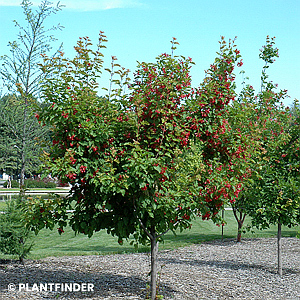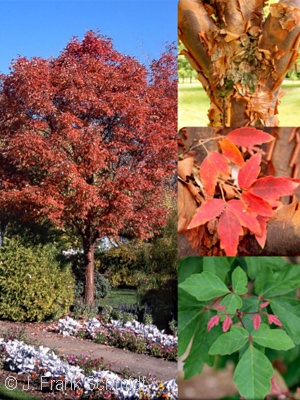
ACER PAL RED PYGMY ACORN FARMS

RED PYGMY JAPANESE MAPLE
ACER PAL RED PYGMY

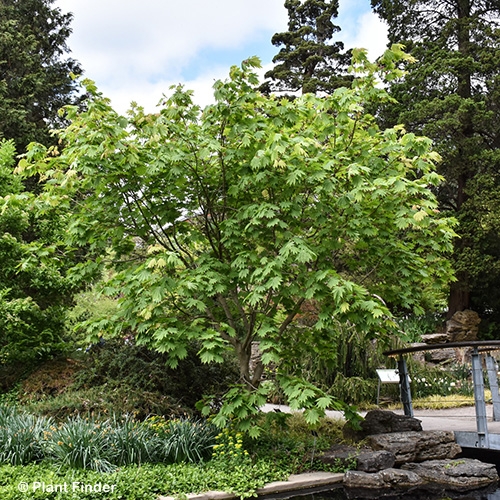
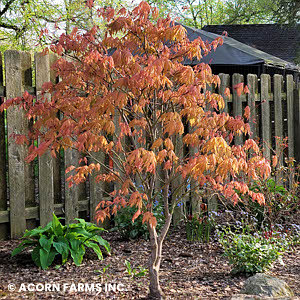
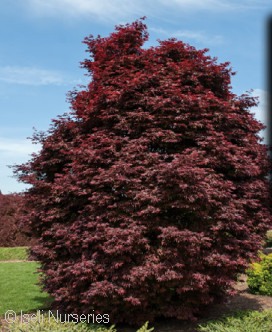
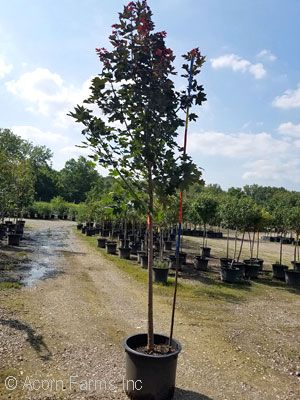
Acer pal. 'Red Pygmy'

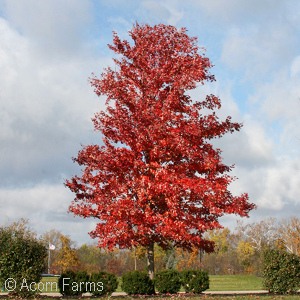
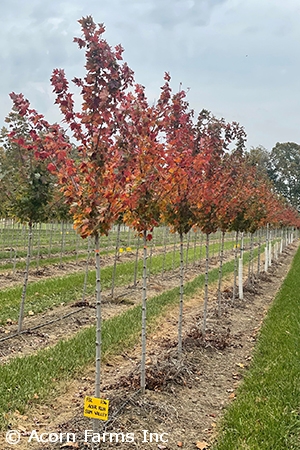
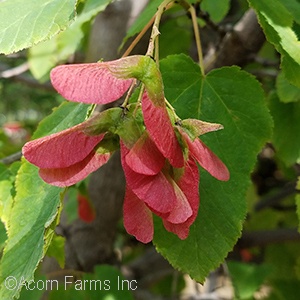
photo copyright Acorn Farms Inc
ACER PAL RED PYGMY
Genus: ACER
trademark info Protected Series:
Height: 4-5 Feet Tall
Spread: 3-4 Feet Wide
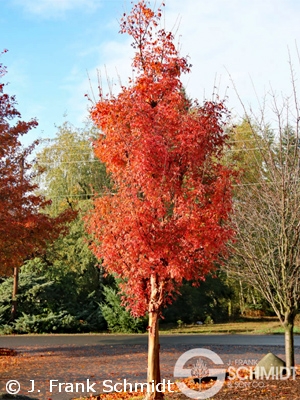
Color: red fall color
Part Sun Shade Plants
Part Sun Shade Deciduous Tree Plants
Deciduous Tree
Zone: 5
#0982  


RED PYGMY JAPANESE MAPLE

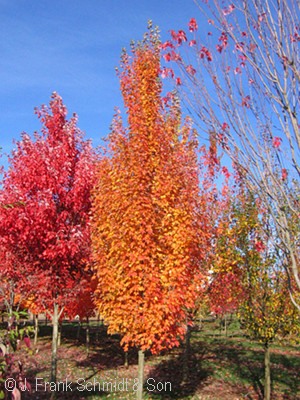
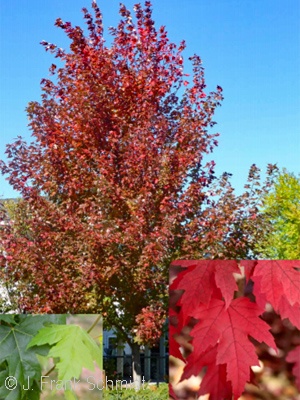
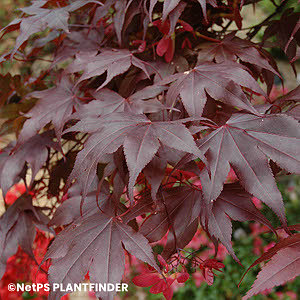
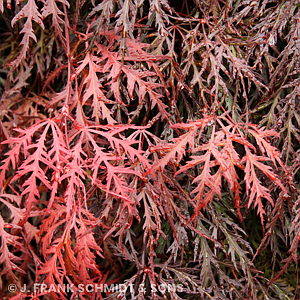
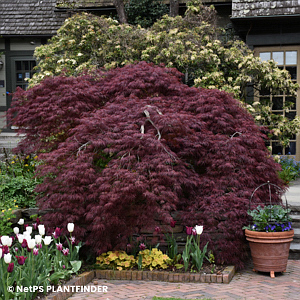
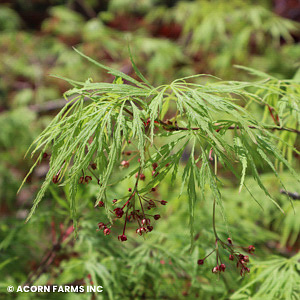
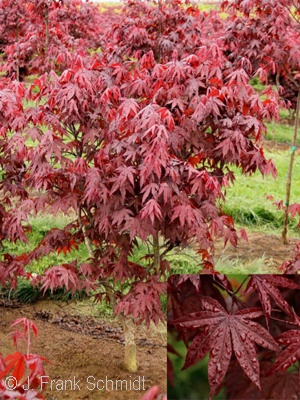
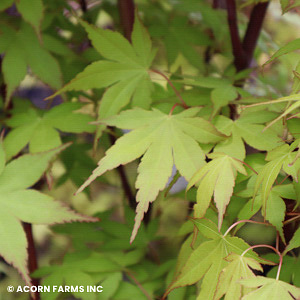
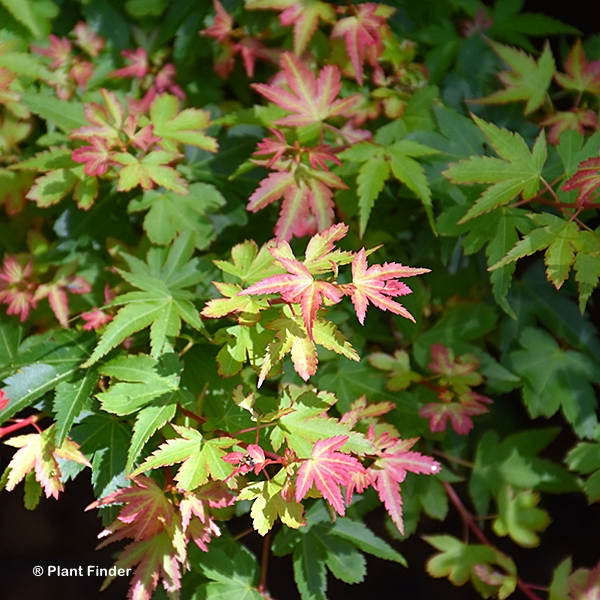
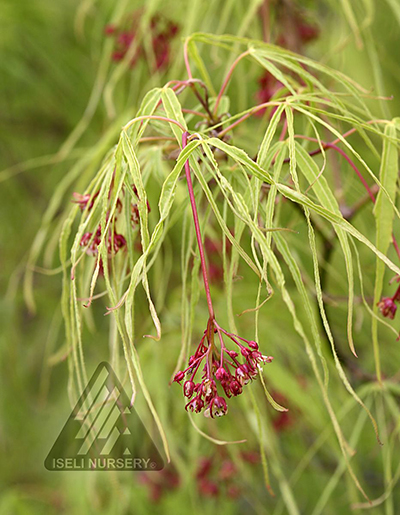
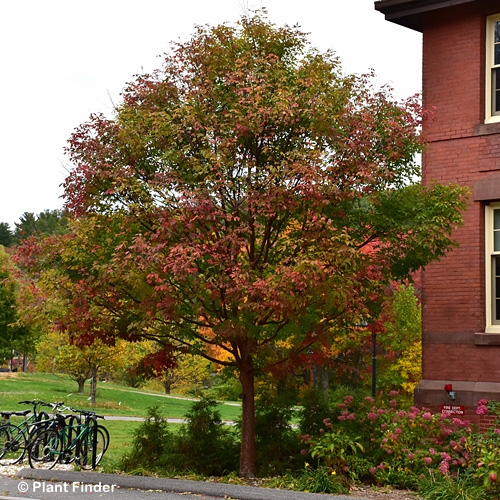
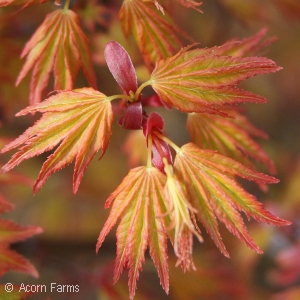
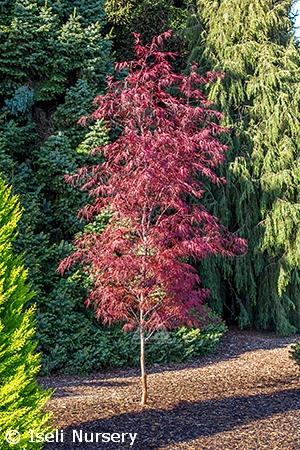
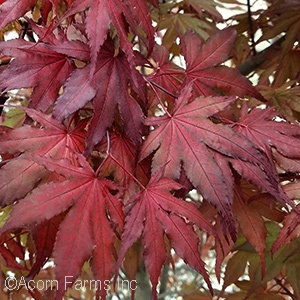
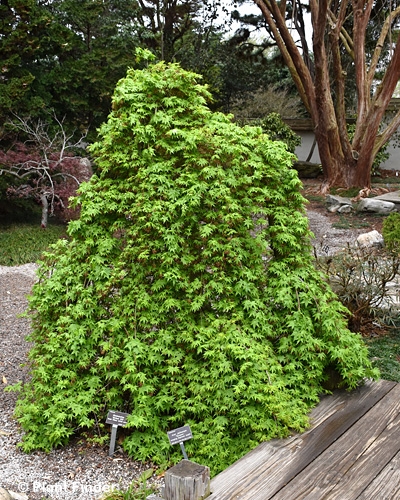
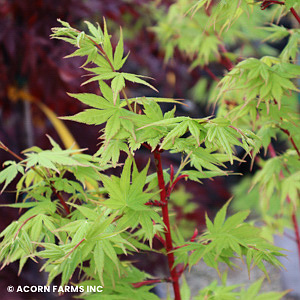
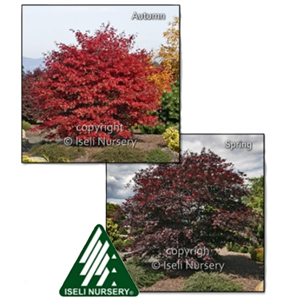
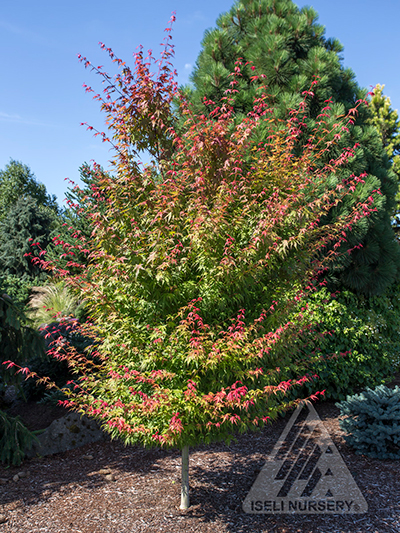
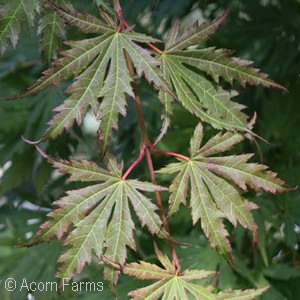
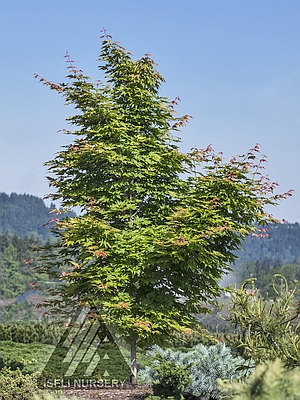
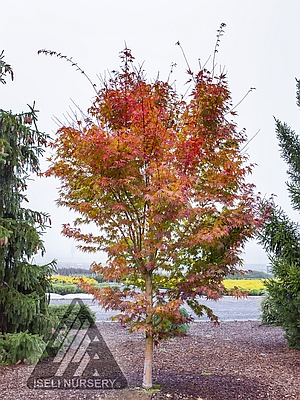
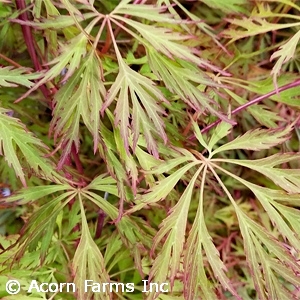
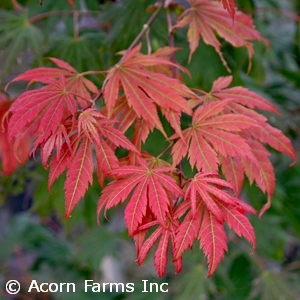
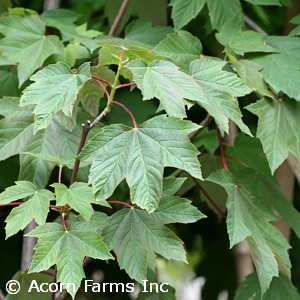
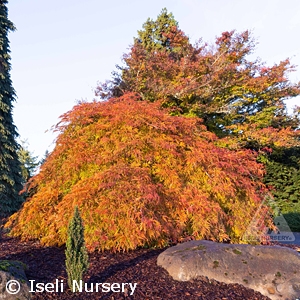
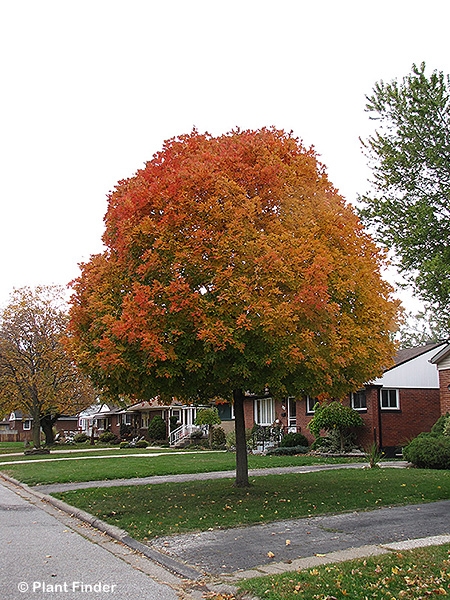
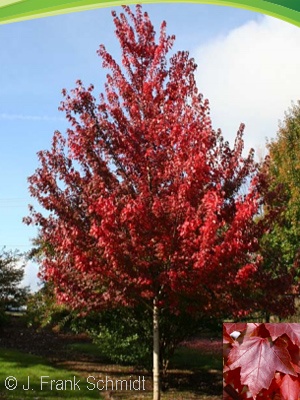
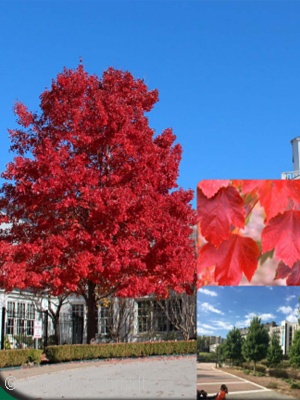
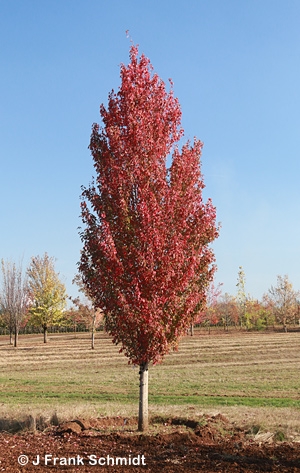
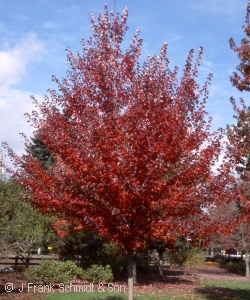
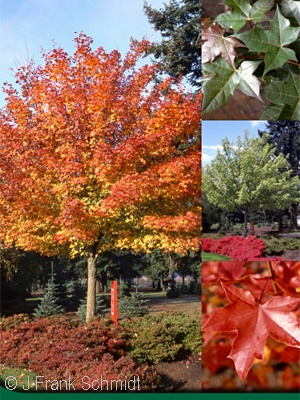
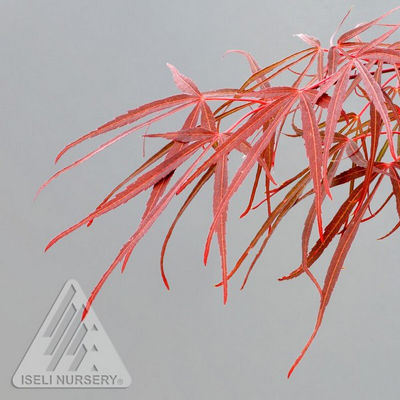
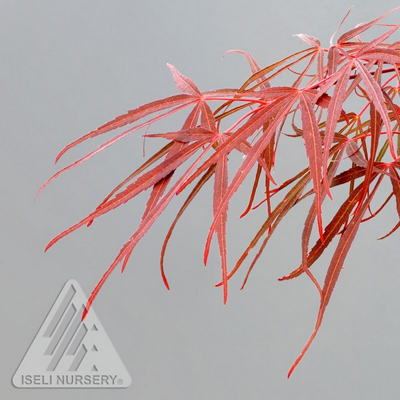
Acer palmatum 'Red Pygmy' is commonly referred to as Red Pygmy Japanese Maple. It is a small, strap leaf Japanese Maple with long, narrow, bamboo-like leaves that emerge bright red in spring, turning deep burgundy or bronze in summer before maturing to brilliant scarlet red in autumn. This slow-growing Japanese Maple only reaches 4-5 feet tall with a 3-4 foot spread in approximately ten years in zones 6-9.

Red Pygmy Japanese Maple thrives in partial sun in rich, fertile, evenly moist, well-drained soils. Morning sun and afternoon shade is best.


PLANT SIZE TYPE GALENA ADD'L DIG SOON

Any current Availability will be listed above this line. This item will not be in the cart if there is no Galena stock listed here.

KEY:
con = containers - available now
Galena = Above ground and available now
Additional = Remote location, call rep. Not in Shop.
Dig = Still in ground, call rep. Not in Shop.
Soon = Coming soon, call rep. Not in Shop.

(BBnPOT - formerly known as GRSTART - are B&B put into a container - they are available now)

(Acer) Maple Varieties:
Amur | Big Tooth | Black | Box Elder | Full Moon | Fernleaf Full Moon | Hedge | Henry | Japanese | Japanese-Laceleaf | Korean | Manchurian | Miyabe | Norway | Paperbark | Red | Red/Silver | Shantung | Shebold | Shirasawas | Silver | Striped | Sugar | Sycamore | Tatarian | Trident | Vine

Other Deciduous Trees


Planting Tips

To help this plant settle in and thrive, we recommend these standard planting practices: Plant in well-draining soil with a slightly acidic pH. Water regularly, but avoid overwatering. Mulch around the base to retain moisture and suppress weeds. Prune in late winter or early spring to maintain shape and promote healthy growth.


Available cultivars in this genus: