ACER PAL PIXIE ACORN FARMS
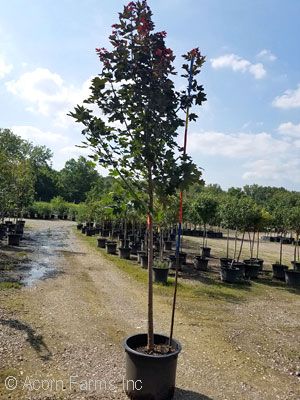
PIXIE JAPANESE MAPLE

ACER PAL PIXIE

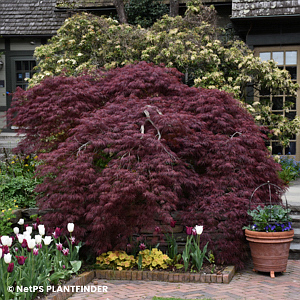
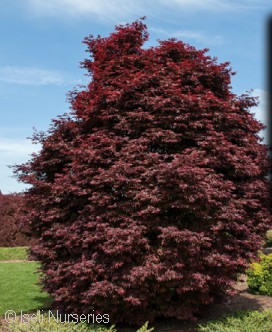
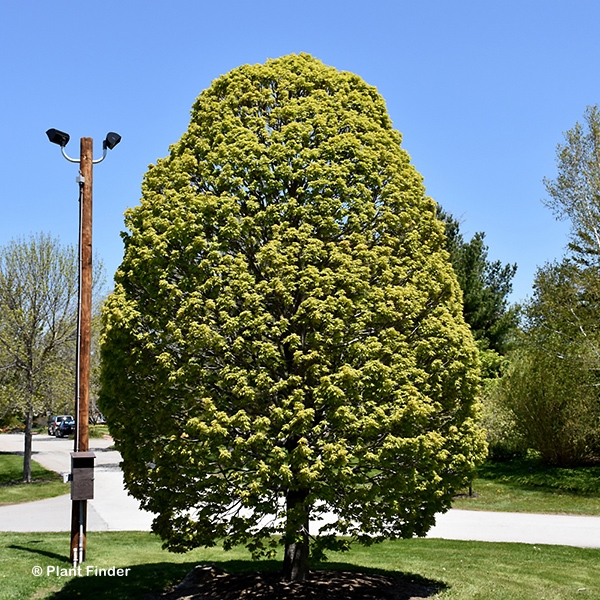
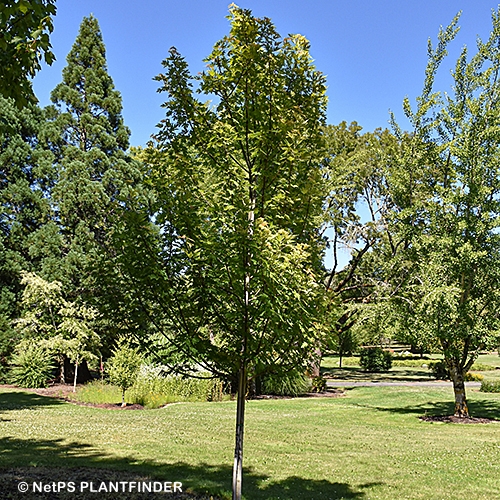
Acer palmatum 'Pixie'
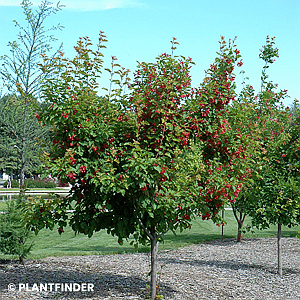
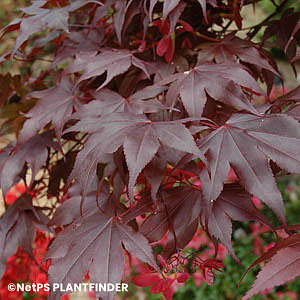
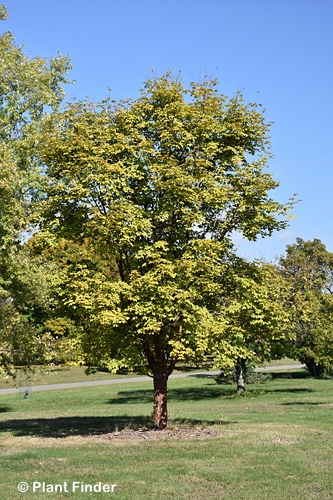
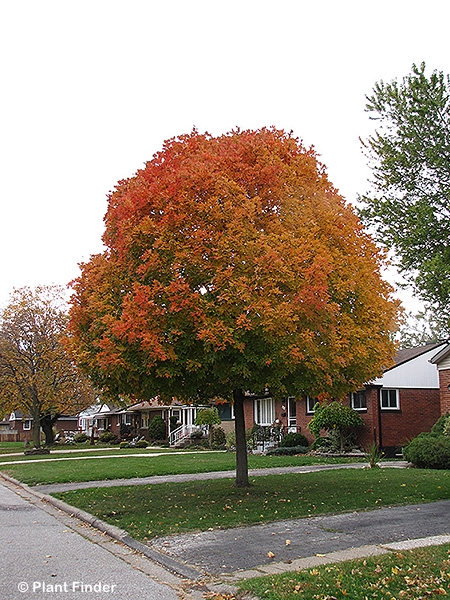
photo courtesy of Plant Finder

PIXIE JAPANESE MAPLE

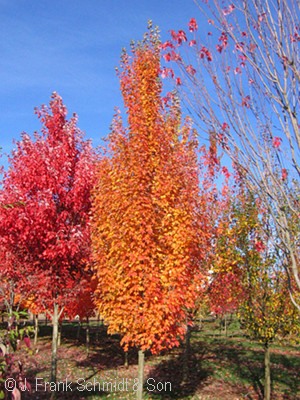
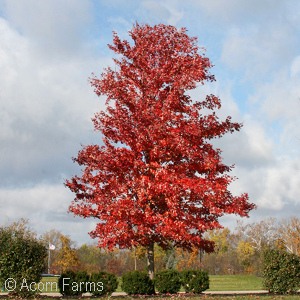
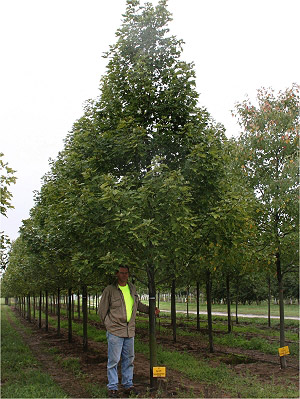
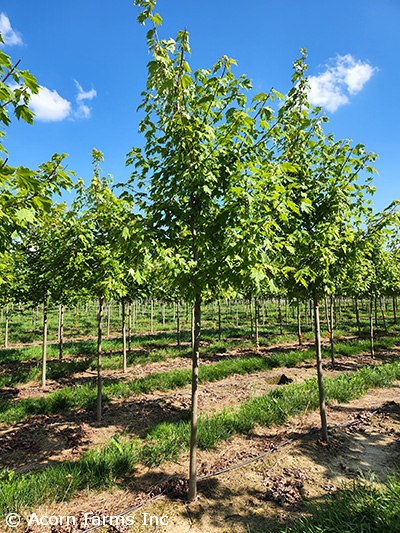
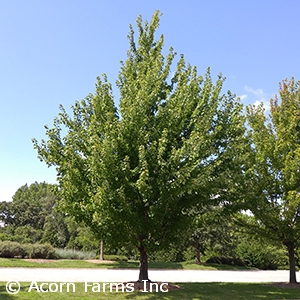
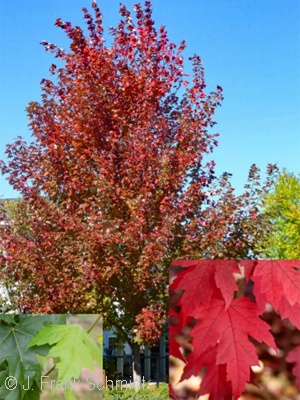
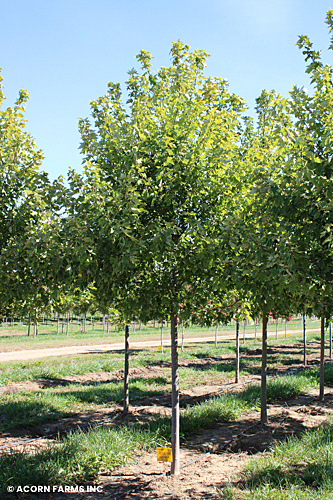
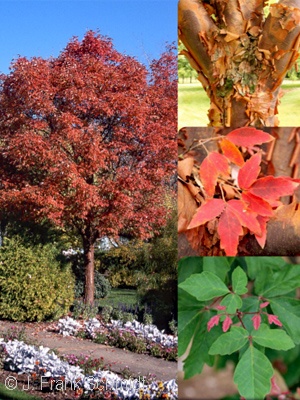
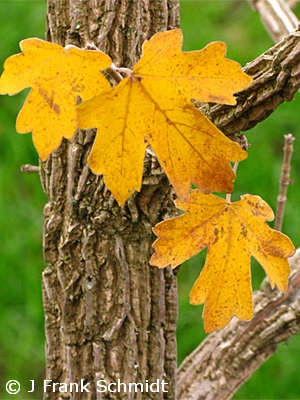
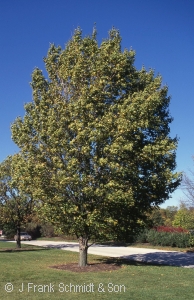
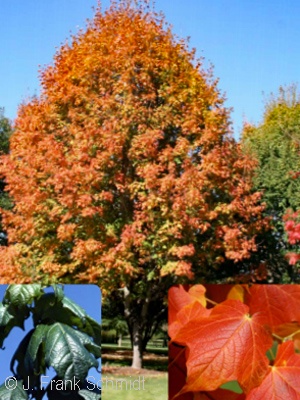
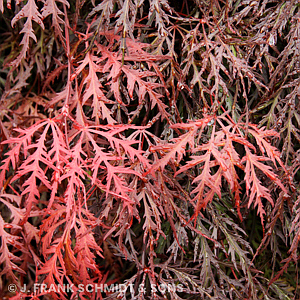
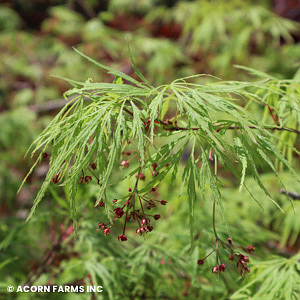
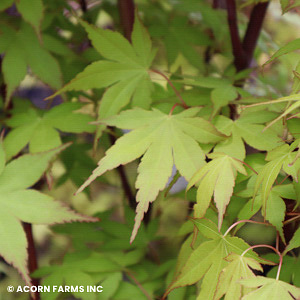
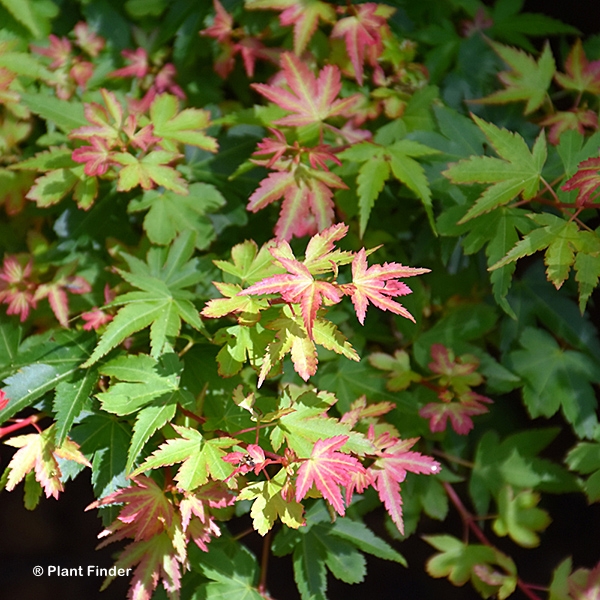
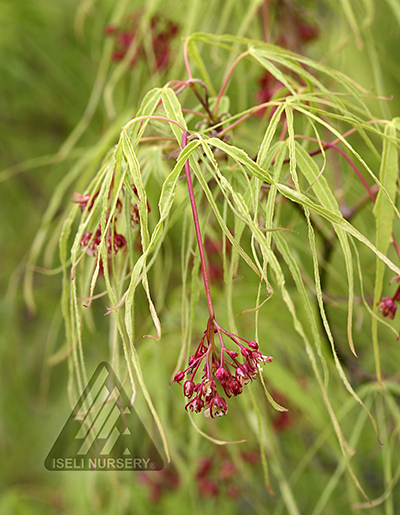
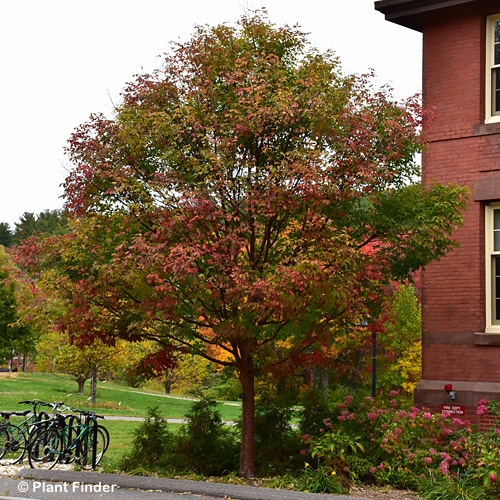
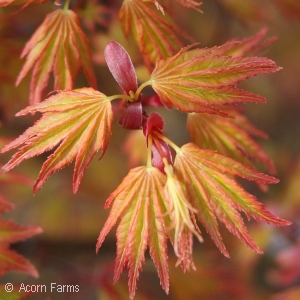
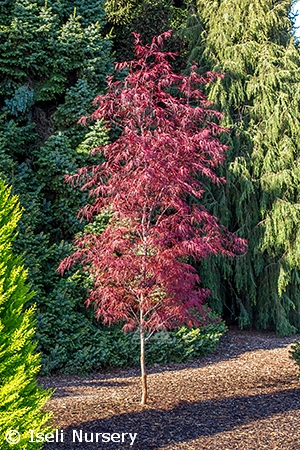
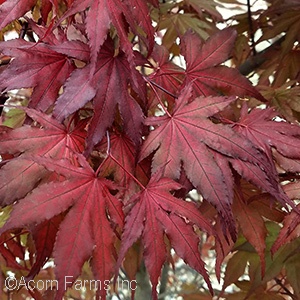
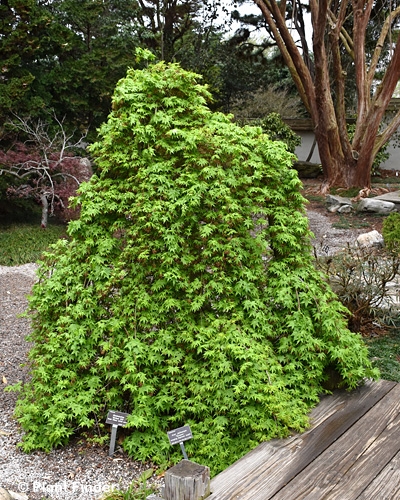
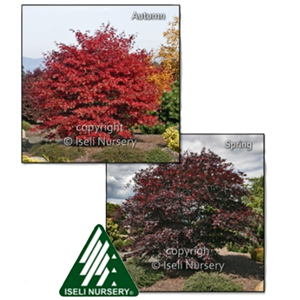
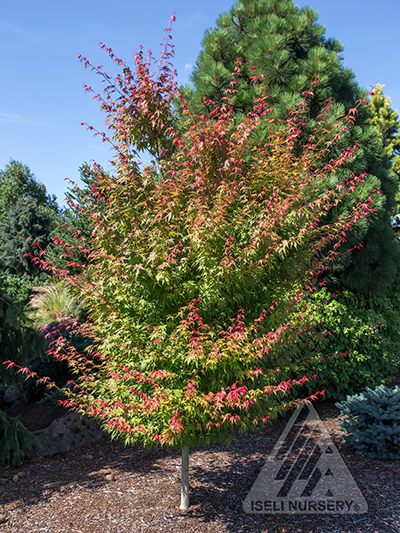
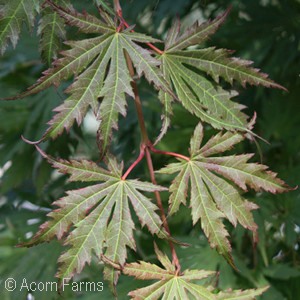
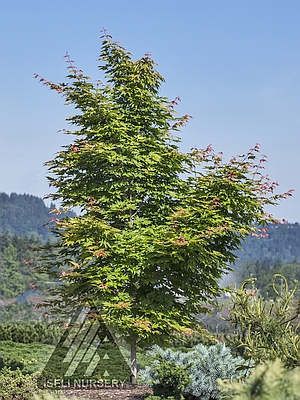
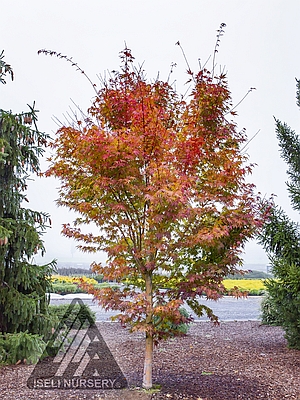
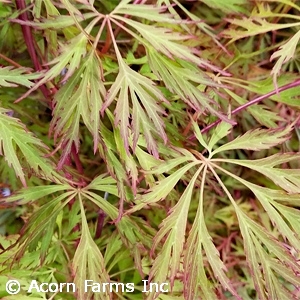
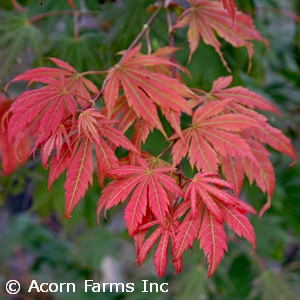
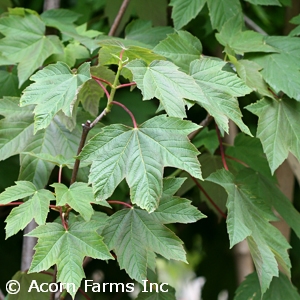
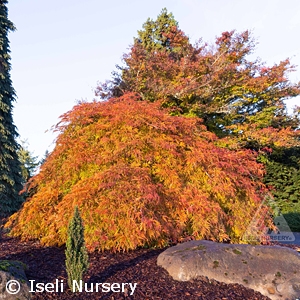
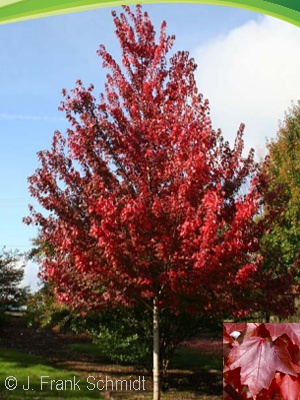
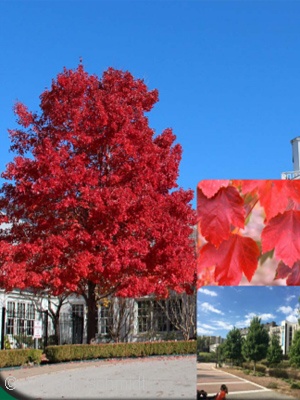
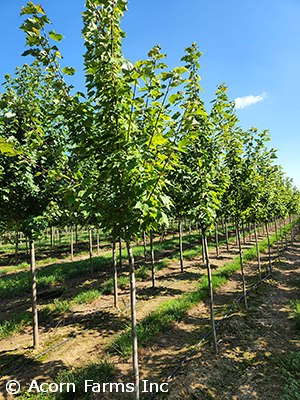
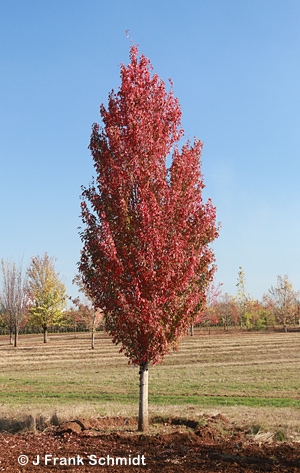
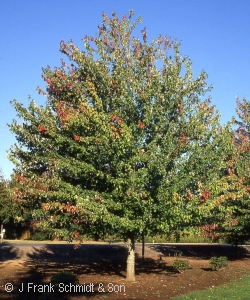
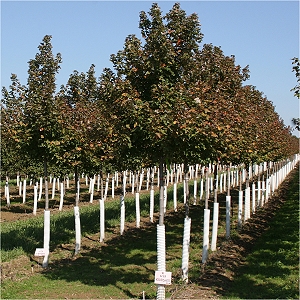
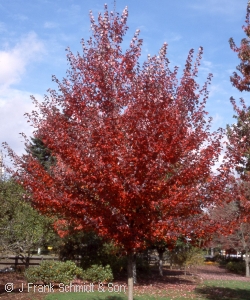
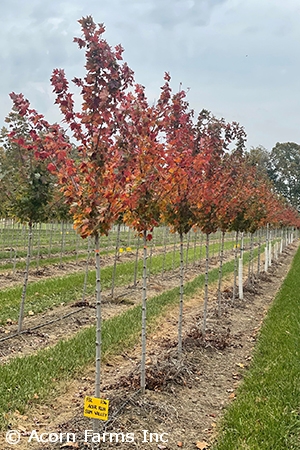
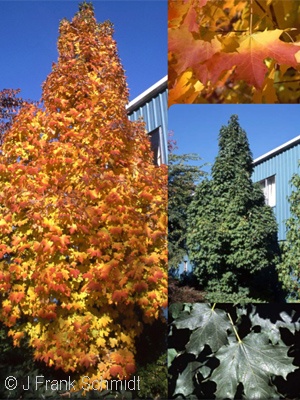
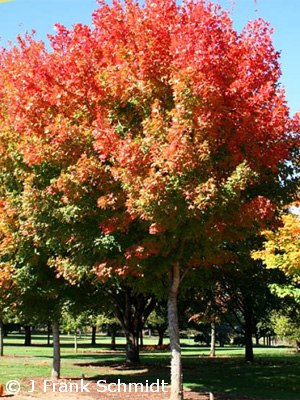
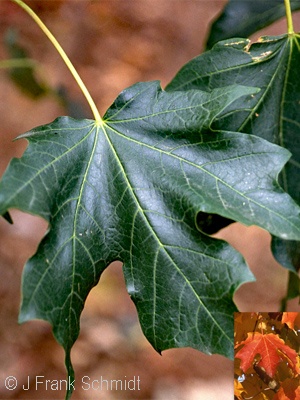
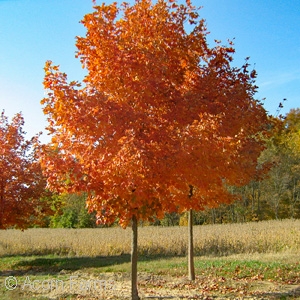
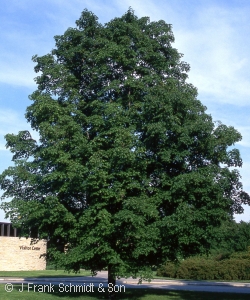
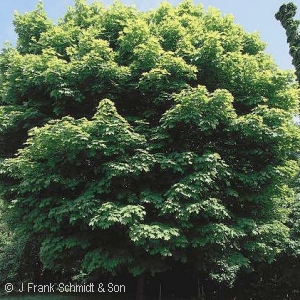
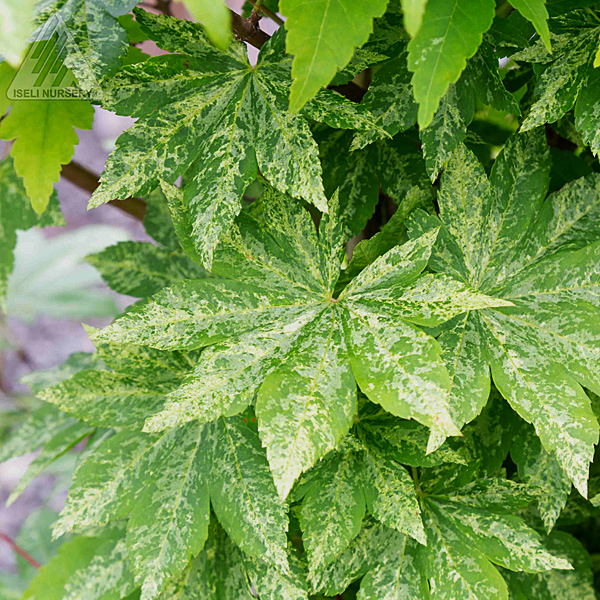
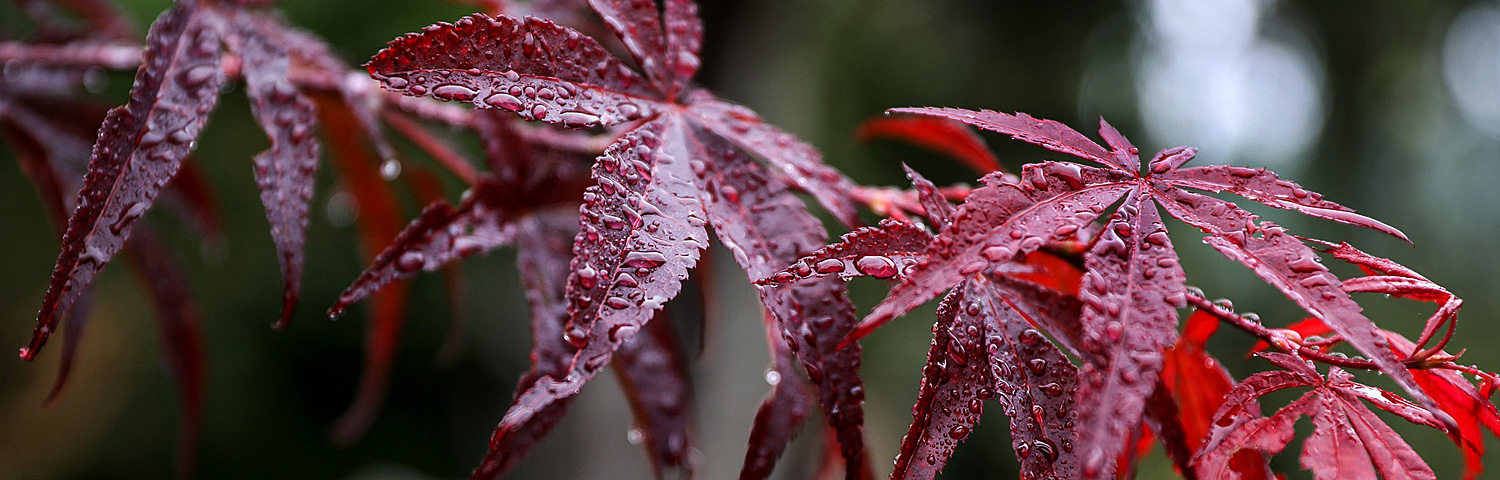
Acer palmatum 'Pixie' is commonly referred to as Pixie Japanese Maple. It is a broadleaf, semi-dwarf, deciduous tree with a high canopy. It is similar to the Bloodgood Japanese Maple, but grows slower and more dense. Foliage emerges red in spring and matures to scarlet in fall. Its bark has unique dark red to black coloration that adds to winter interest.

Pixie Japanese Maple is cold hardy to zone 5 and thrives in full sun in rich, evenly moist, well-drained soils. It would benefit from afternoon shade in hot climates. It is a beautiful smaller accent tree that is ideal for small gardens, containers or bonsai.
Scroll table horizontally to view all stock & quantities →
PLANT SIZE TYPE GALENA ADD'L DIG SOON
No current sizes listed in database.

Current inventory will be listed above this line. Contact Sales Rep for details. |

KEY:
con = containers - available now
Galena = Above ground and available now
Additional = Remote location, call rep. Not in Shop.
Dig = Still in ground, call rep. Not in Shop (in orange).
Soon = Coming soon, call rep. Not in Shop.

(BBnPOT - formerly known as GRSTART - are B&B put into a container - they are available now)


(Acer) Maple Varieties:
Amur  |   Big Tooth   |   Black   |   Box Elder   |   Full Moon   |   Fernleaf Full Moon   |   Hedge   |   Henry   |   Japanese  |   Japanese-Laceleaf   |   Korean  |   Manchurian   |   Miyabe   |   Norway  |   Paperbark   |   Red   |   Red/Silver   |   Shantung   |   Siebold   |   Shirasawas   |   Silver   |   Striped   |   Sugar   |   Sycamore   |   Tatarian   |   Trident   |   Vine


Planting Tips ⓘ

To help this plant settle in and thrive, we recommend these standard planting practices: Plant in a location with well-draining soil and full sun to partial shade. Water regularly, but avoid overwatering. Mulch around the base to retain moisture and suppress weeds. Fertilize annually with a balanced fertilizer. Prune in late winter or early spring to maintain shape and promote healthy growth.


More in this Genus:


β˜… ON SALE β˜