PRUNUS STELLA ACORN FARMS
STELLA CHERRY TREE

PRUNUS STELLA

Prunus avium 'Stella'
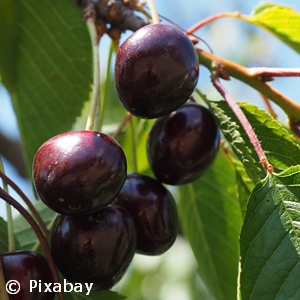
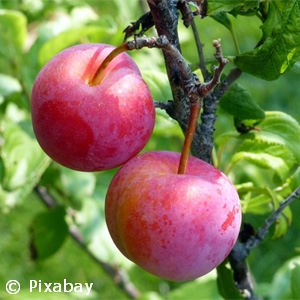
photo courtesy of Pixabay

STELLA CHERRY TREE

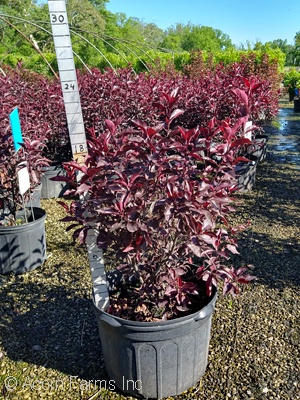
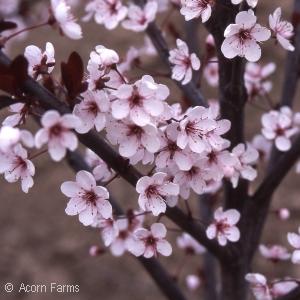
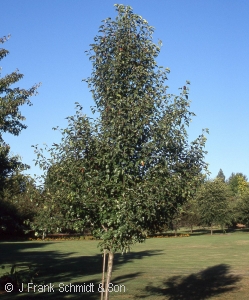
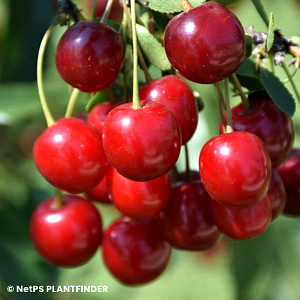
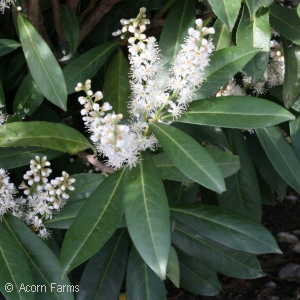
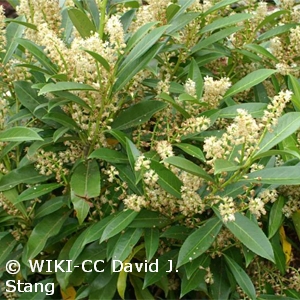
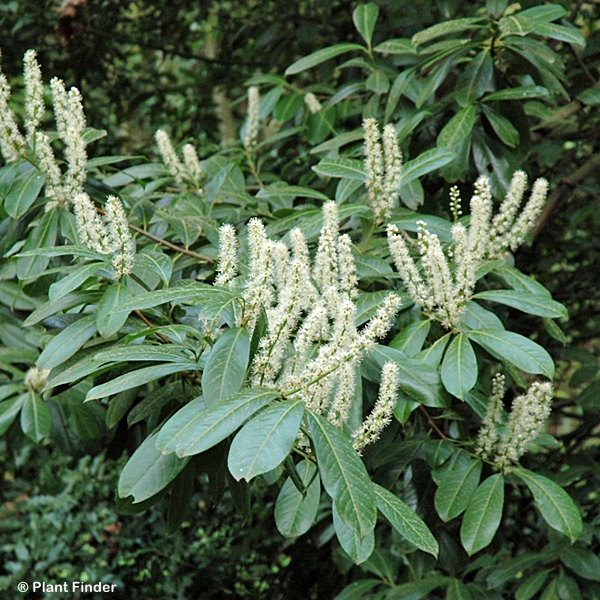
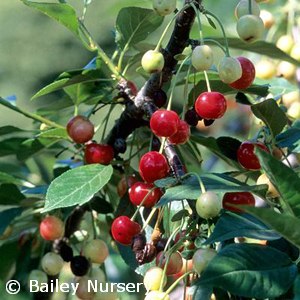
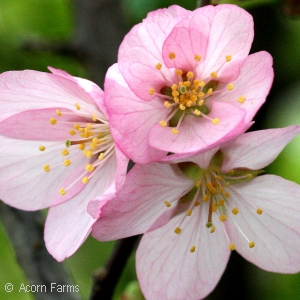
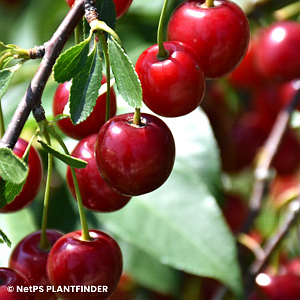
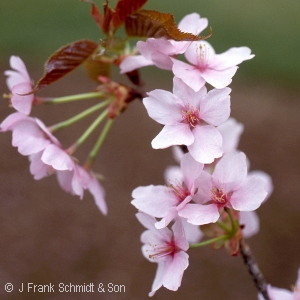
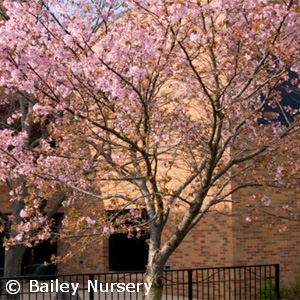
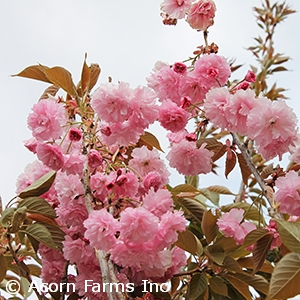
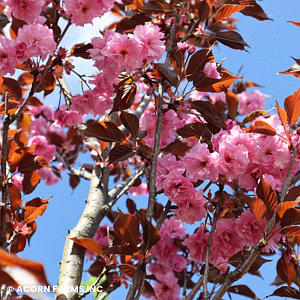
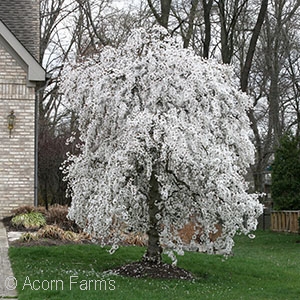
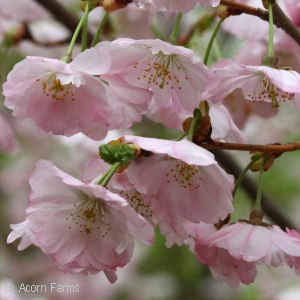
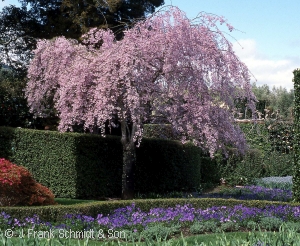
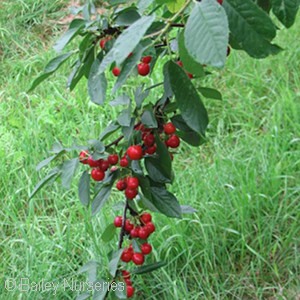
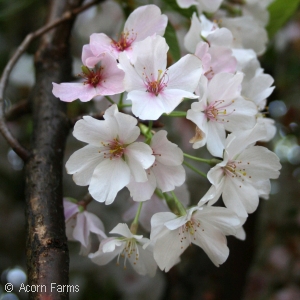
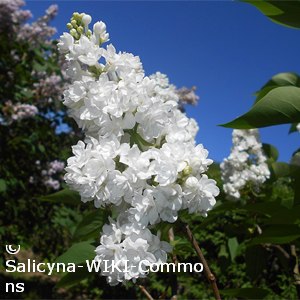
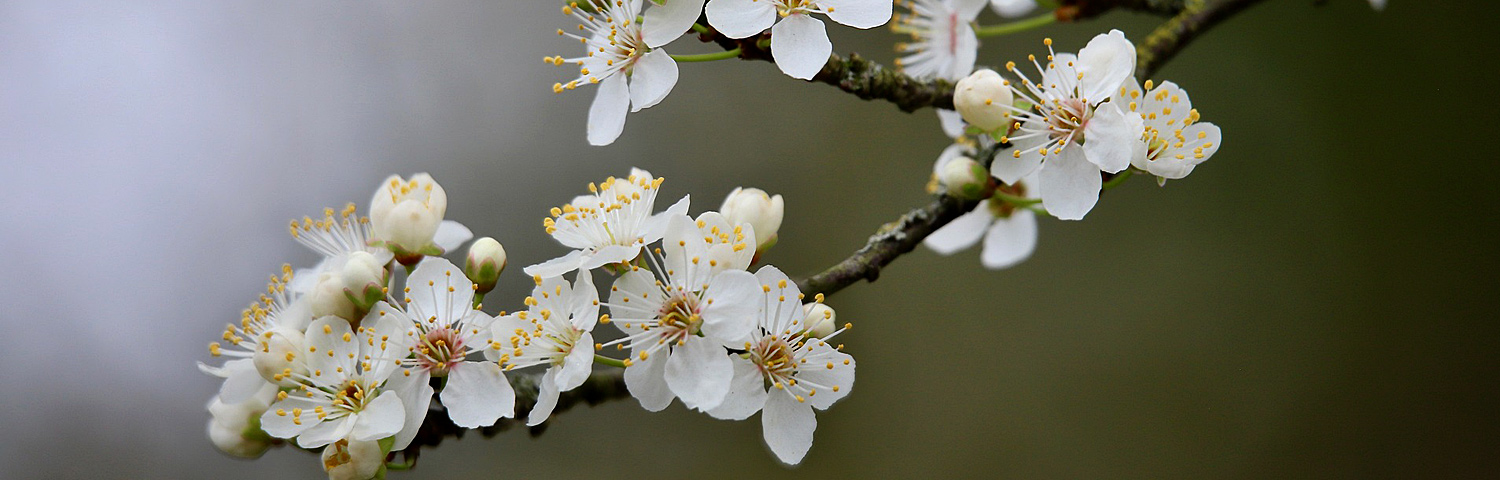
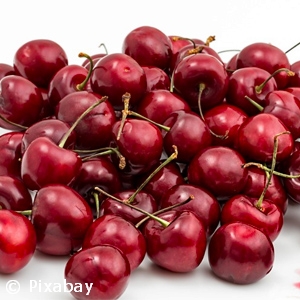
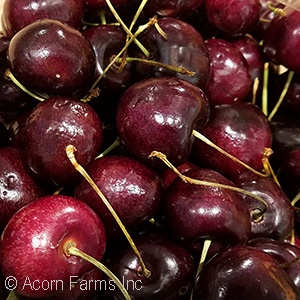
Prunus 'Stella' is a medium-sized, self-pollinating cherry tree with a pyramidal habit. 'Stella' does not require another cultivar close by to pollinate for fruit production. It has white flower clusters followed by large, dark red, sweet cherries with rich flavor and good texture in early summer. It is considered somewhat dwarf and less spreading than its larger forms.

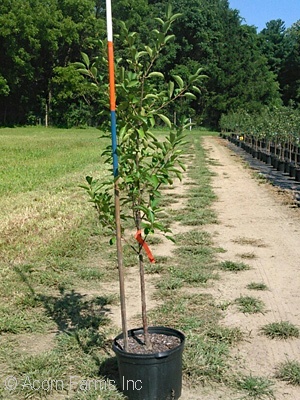
'Stella' Cherry prefers a moist, well-drained soil in full sun. It cannot tolerate standing water or consistent wet soils. It is grown for its fruit crop and for those who have space limitations as it grows only 8-12 feet tall with a spread of 8-10 foot.
Scroll table horizontally to view all stock & quantities →
PLANT SIZE TYPE GALENA ADD'L DIG SOON
PRUNUS STELLAcon 1027000

Current inventory will be listed above this line. Contact Sales Rep for details. |

KEY:
con = containers - available now
Galena = Above ground and available now
Additional = Remote location, call rep. Not in Shop.
Dig = Still in ground, call rep. Not in Shop (in orange).
Soon = Coming soon, call rep. Not in Shop.

(BBnPOT - formerly known as GRSTART - are B&B put into a container - they are available now)


Berries:
Blackberry  |  Boysenberry/Marionberry  |  Blueberry  |  Raspberry

Cherries and Grapes:
Cherries  |  Grapes

Fruit Trees:
Apple Tree  |  Apricot Tree  |  Peach Tree  |  Pear Tree  |  Plum Tree


Planting Tips ⓘ

To help these trees settle in and thrive, we recommend these standard planting practices: Plant in deep, fertile, well-draining soil, selecting a location in full sun to ensure the best fruit production and foliage color. Cherry trees are notoriously sensitive to "wet feet," so ensure the site has excellent drainage and air circulation to prevent fungal issues, avoiding low-lying areas where frost or water can collect.

Provide deep, consistent water during the first few growing seasons until the tree is well established, and monitor soil moisture thereafter to ensure it remains consistently moist but not waterlogged. Prune in late winter or early spring while the tree is dormant to improve structure, remove dead or crossing branches, and encourage productive growth.


ALSO AVAILABLE:


β˜… ON SALE β˜