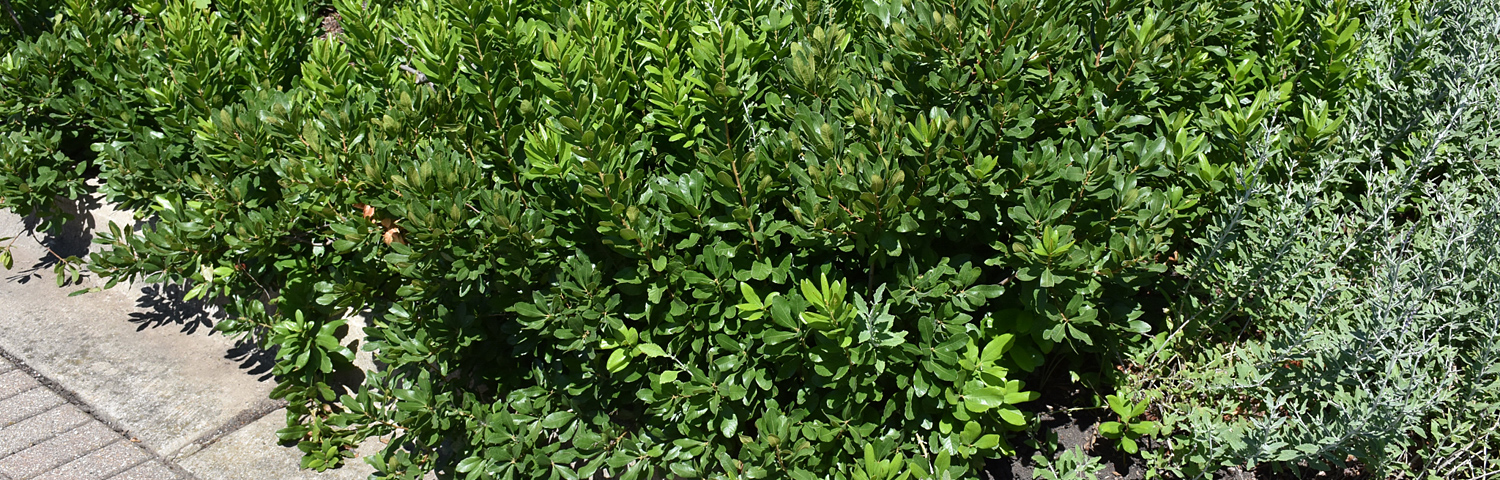
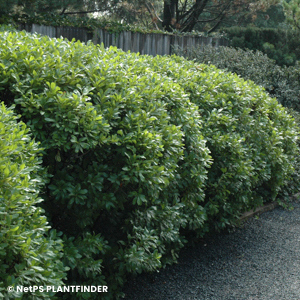
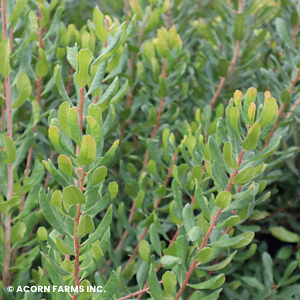
NORTHERN BAYBERRY
| PLANT | SIZE | TYPE | GALENA | ADD'L | DIG | SOON |
|---|---|---|---|---|---|---|
| MYRICA PENSYLVANICA | con 3 | 2827 | 0 | 0 | 0 | |
| MYRICA PENSYLVANICA | con 3 | 15-18 in | 2 | 0 | 0 | 0 |
| MYRICA PENSYLVANICA | con 3 | BI | 8 | 0 | 0 | 0 |
| MYRICA PENSYLVANICA | con 5 | 100 | 0 | 0 | 0 | |
| MYRICA PENSYLVANICA | con 10 | 1 | 0 | 0 | 0 |
Current inventory will be listed above this line. Contact Sales Rep for details. | Click for key & info
To help this plant settle in and thrive, we recommend these standard planting practices: Plant in average, well-draining soil, noting that this native shrub is remarkably adaptable to poor, sandy, or rocky conditions. Select a site that receives full sun to partial shade, as optimal light exposure encourages the best foliage color and, if both male and female plants are present, the production of its characteristic waxy, gray-blue berries. Provide consistent moisture during the first year of establishment to ensure long-term vigor. Prune in late winter or early spring if you need to manage its size or suckering habit, as this plant naturally forms thickets over time. It responds well to rejuvenation pruning if it becomes too leggy or overgrown.
ALSO AVAILABLE:
★ ON SALE ★