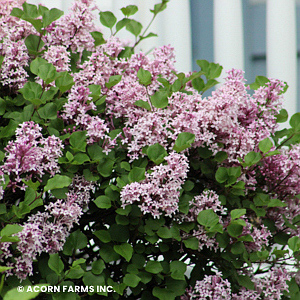
SYRINGA PATULA MISS KIM ACORN FARMS
MISS KIM LILAC

SYRINGA PATULA MISS KIM

Syringa pubescens subsp. Patula 'Miss Kim'
photo copyright Acorn Farms Inc

MISS KIM LILAC

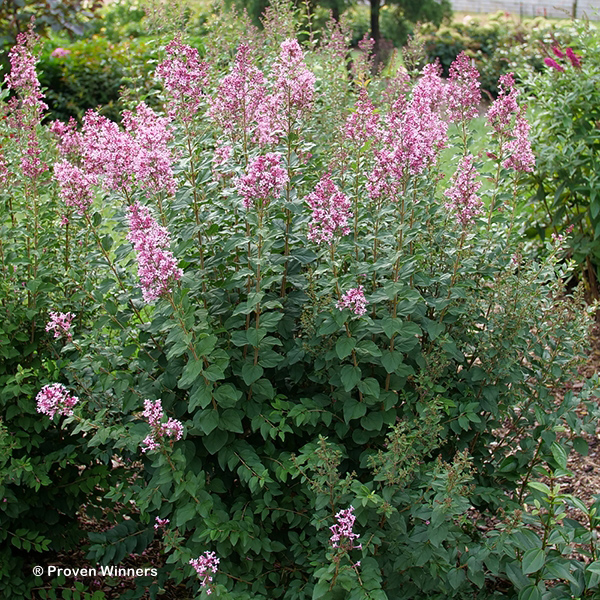
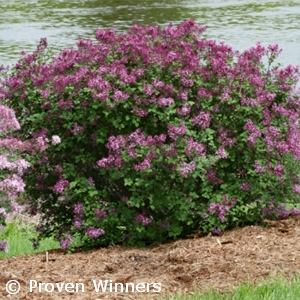
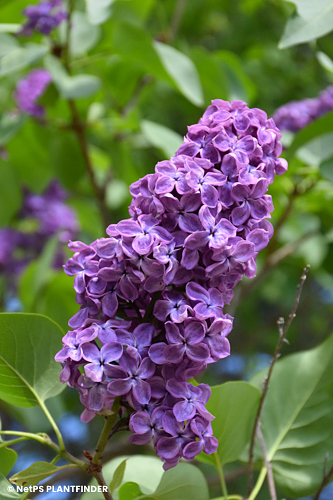
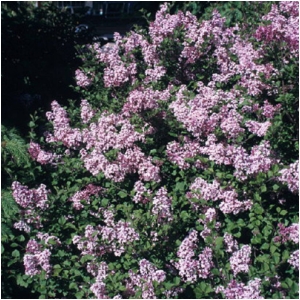
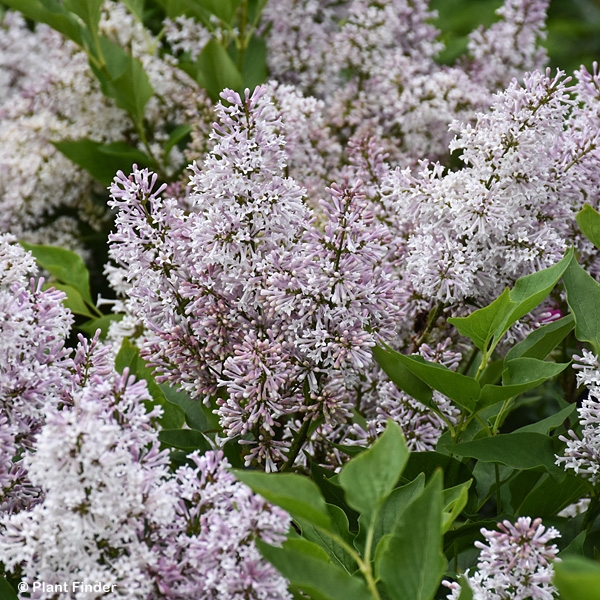
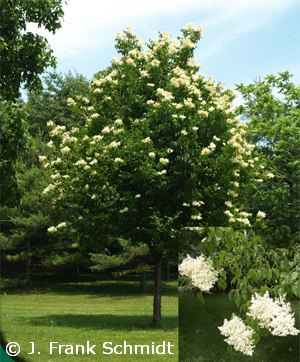
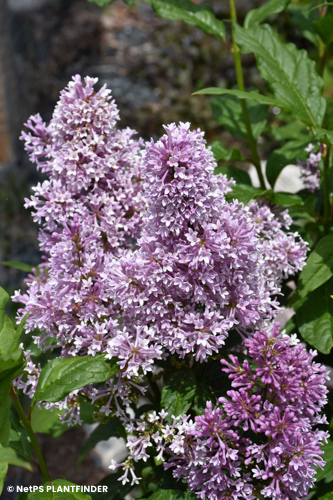
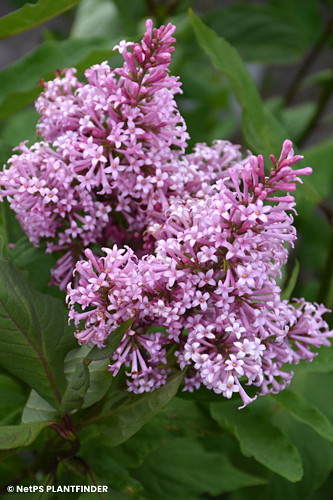
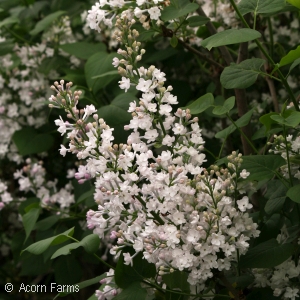
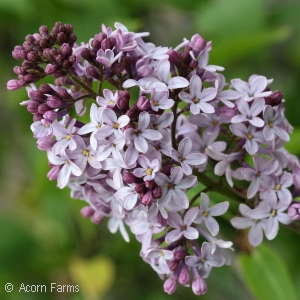
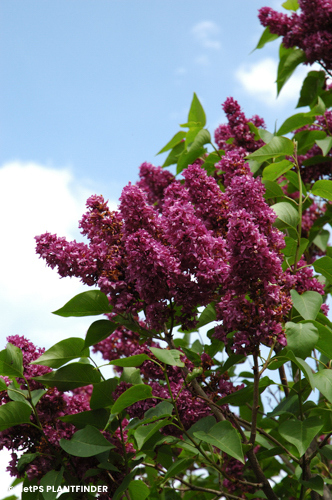
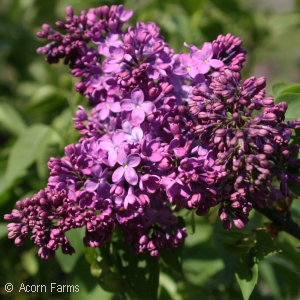
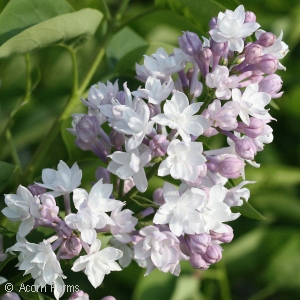
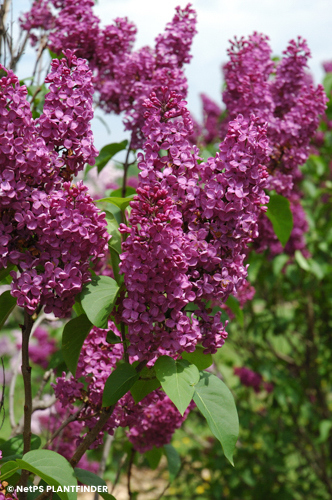
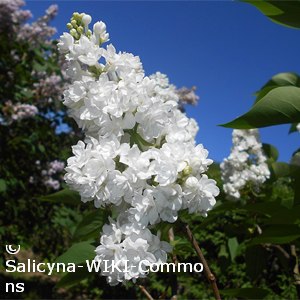
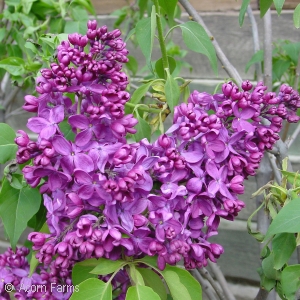
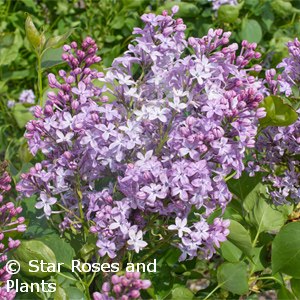
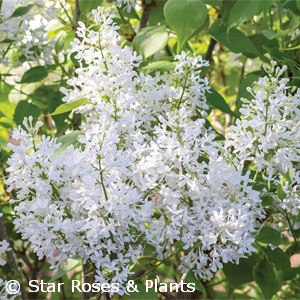
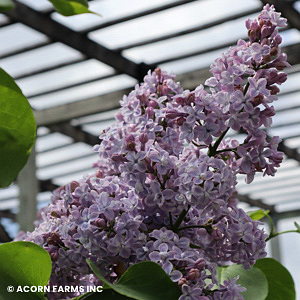
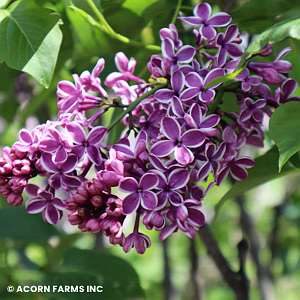
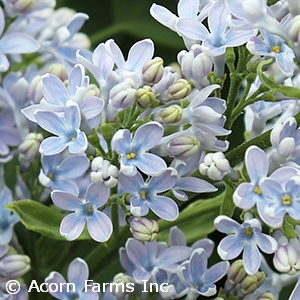
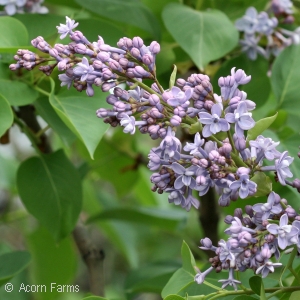
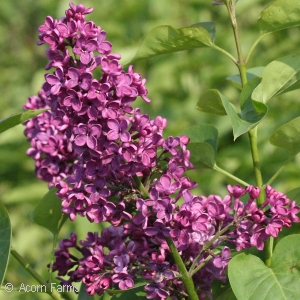
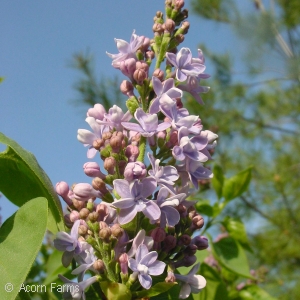
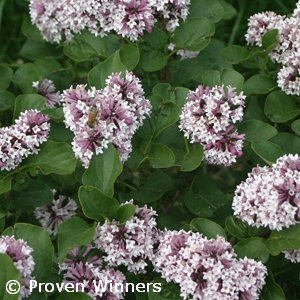
Syringa pubescens subsp. Patula 'Miss Kim' is commonly referred to as Miss Kim Lilac. It is a low maintenance Manchurian Lilac with excellent resistance to powdery mildew. Rich purple buds open to small panicles of fragrant lilac flowers produced in early summer attracting bees, butterflies and other beneficial pollinators. Its dark green leaves are larger than the Meyeri and have nice burgundy tones in fall. This slow grower is very hardy and has the ability to grow quite tall in time. It responds well to shearing after flowers finish.

Miss Kim Lilac thrives in full sun in rich, fertile, evenly moist, well-drained soils. It does not tolerate acidic soils. It is ideal as a specimen, hedge, or in mixed shrub borders.
Scroll table horizontally to view all stock & quantities →
PLANT SIZE TYPE GALENA ADD'L DIG SOON
SYRINGA PATULA MISS KIMcon 315-18 in3663000
SYRINGA PATULA MISS KIMcon 518-24 in1958000

Current inventory will be listed above this line. Contact Sales Rep for details. |

KEY:
con = containers - available now
Galena = Above ground and available now
Additional = Remote location, call rep. Not in Shop.
Dig = Still in ground, call rep. Not in Shop (in orange).
Soon = Coming soon, call rep. Not in Shop.

(BBnPOT - formerly known as GRSTART - are B&B put into a container - they are available now)


Planting Tips ⓘ

To help this plant settle in and thrive, we recommend these standard planting practices: plant in full sun and well-draining, slightly acidic to neutral soil for the best performance. This late-blooming cultivar is prized for its intense fragrance and beautiful burgundy fall foliage, but it requires good drainage to avoid "wet feet." Water regularly until established and fertilize with a balanced, slow-release formula in early spring. Since 'Miss Kim' sets its buds on old wood, do not prune in late winter or early spring, as this will significantly reduce the season's flower display; if you need to prune for shape, do so immediately after the flowers fade in late spring or early summer.


More in this Genus:


β˜… ON SALE β˜