PRICKLY PEAR CACTUS
OPUNTIA HUMIFUSA
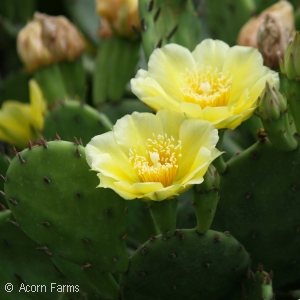
Opuntia humifusa
photo copyright Acorn Farms Inc
PRICKLY PEAR CACTUS
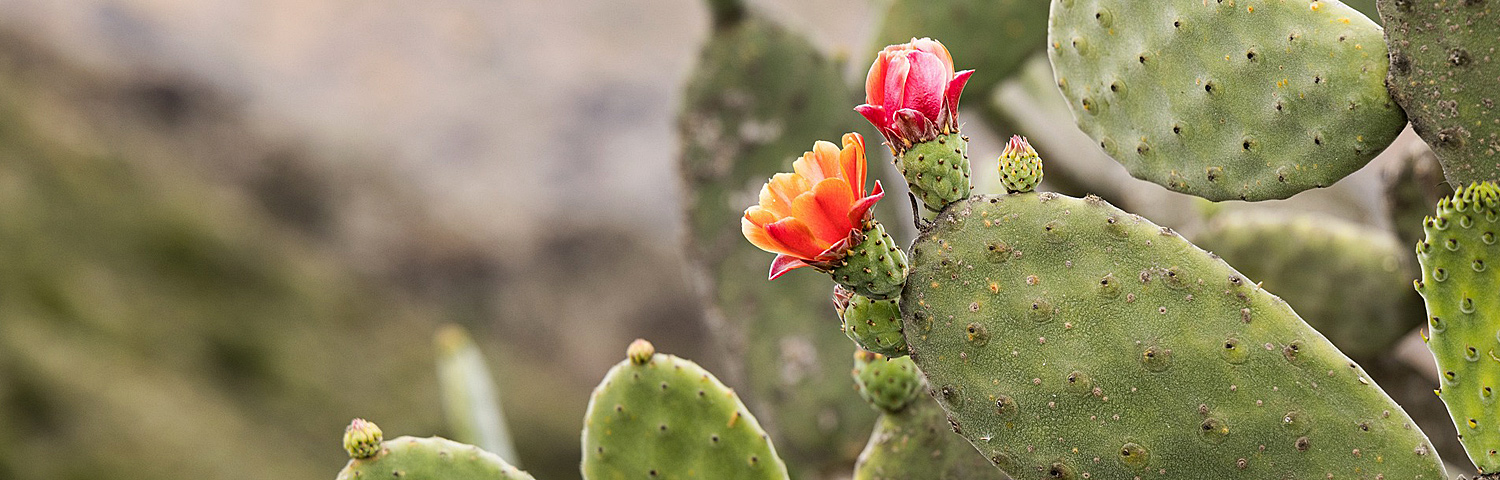
Opuntia humifusa, commonly known as the Eastern Prickly Pear, is a fascinating native cactus that defies the typical desert stereotype by thriving across much of the eastern and central United States. This hardy perennial is easily recognized by its fleshy, flattened green pads, known as cladodes, which are punctuated by small clusters of barbed bristles called glochids. In late spring and early summer, the plant produces stunning, waxy yellow flowers that often feature a bright orange or reddish center, attracting a variety of native pollinators. Following the bloom, the cactus develops edible, pear-shaped purple fruits that provide a vital food source for local wildlife and add a unique structural element to the winter landscape.
To maintain a healthy specimen, Eastern Prickly Pear Cactus must be situated in an area that receives full sun, as it requires maximum light to bloom and maintain its compact, sprawling habit. The most critical factor for its success is exceptionally well-drained soil; while it is incredibly cold-hardy and can withstand freezing temperatures, it will quickly succumb to root rot if left in damp, heavy clay or standing water. It is a perfect candidate for rock gardens, sandy coastal slopes, or xeric borders where irrigation is minimal.
Scroll table horizontally to view all stock & quantities →
| PLANT |
SIZE |
TYPE |
GALENA |
ADD'L |
DIG |
SOON |
| No current sizes listed in database. |
Current inventory will be listed above this line. Contact Sales Rep for details. |
Click for key & info
KEY:
con = containers - available now
Galena = Above ground and available now
Additional = Remote location, call rep. Not in Shop.
Dig = Still in ground, call rep. Not in Shop (in orange).
Soon = Coming soon, call rep. Not in Shop.
(BBnPOT - formerly known as GRSTART - are B&B put into a container - they are available now)