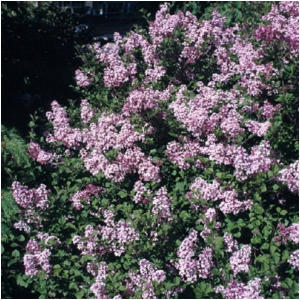
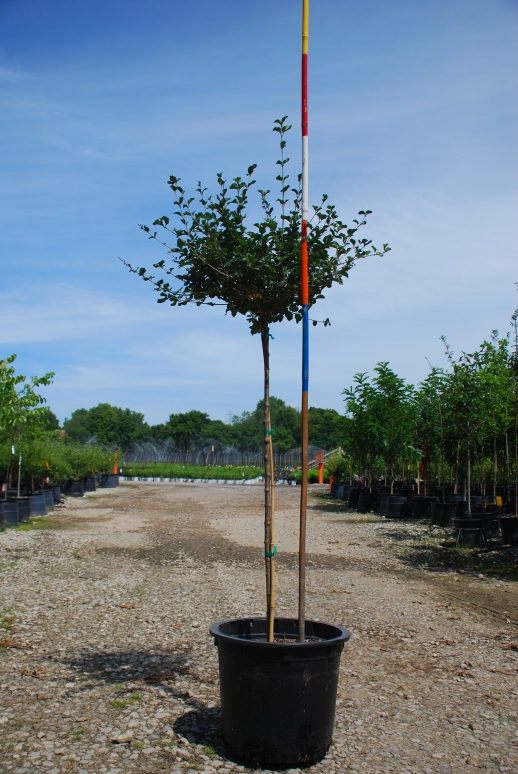
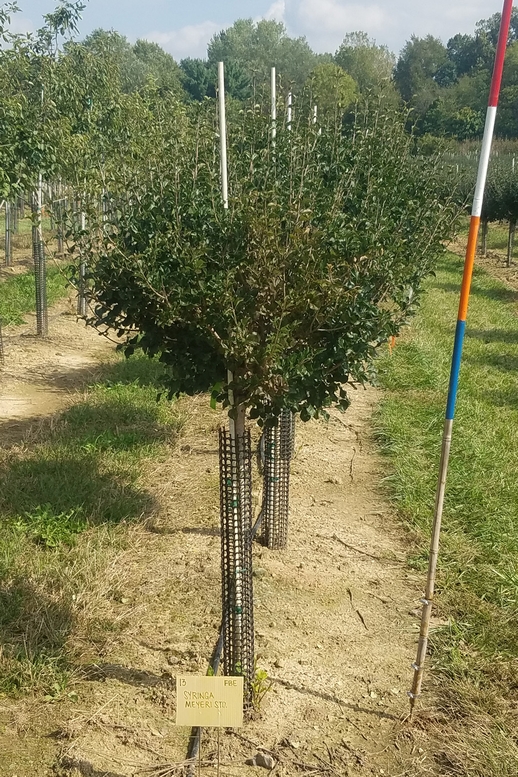
DWARF KOREAN LILAC
| PLANT | SIZE | TYPE | GALENA | ADD'L | DIG | SOON |
|---|---|---|---|---|---|---|
| SYRINGA MEYERI | con 3 | 15-18 in | 691 | 0 | 0 | 0 |
| SYRINGA MEYERI | con 5 | 18-24 in | 161 | 0 | 0 | 0 |
| SYRINGA MEYERI | con 15 | 48 inSTD | 2 | 0 | 0 | 0 |
| SYRINGA MEYERI | con 15 | STD | 62 | 0 | 0 | 0 |
| SYRINGA MEYERI | 1.5 in | 36 inSTD | 0 | 0 | 2 | 0 |
| SYRINGA MEYERI | 1.5 in | 42 inSTD | 0 | 0 | 4 | 0 |
| SYRINGA MEYERI | 1.5 in | 48 inSTD | 10 | 0 | 33 | 0 |
| SYRINGA MEYERI | 1.75 in | 36 inSTD | 0 | 0 | 3 | 0 |
| SYRINGA MEYERI | 1.75 in | 42 inSTD | 0 | 0 | 7 | 0 |
| SYRINGA MEYERI | 1.75 in | 48 inSTD | 0 | 0 | 82 | 0 |
| SYRINGA MEYERI | 2 in | 36 inSTD | 0 | 0 | 8 | 0 |
| SYRINGA MEYERI | 2 in | 42 inSTD | 0 | 0 | 18 | 0 |
| SYRINGA MEYERI | 2 in | 48 inSTD | 2 | 0 | 60 | 0 |
| SYRINGA MEYERI | 2.5 in | 42 inSTD | 0 | 0 | 1 | 0 |
| SYRINGA MEYERI | 2.5 in | 48 inSTD | 0 | 0 | 6 | 0 |
Current inventory will be listed above this line. Contact Sales Rep for details. | Click for key & info
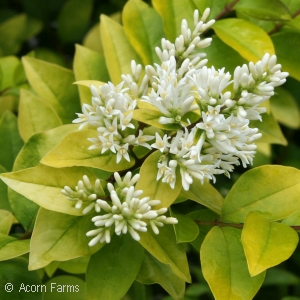
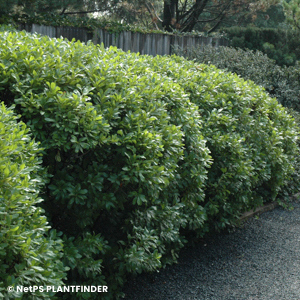
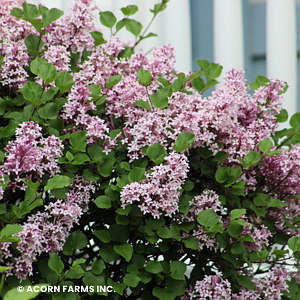
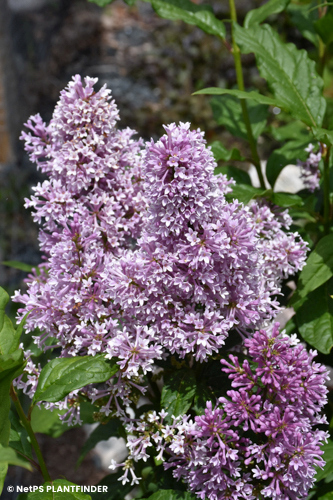
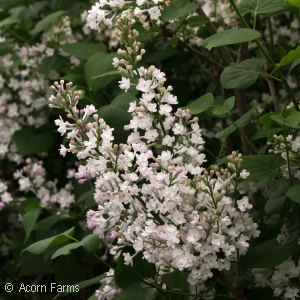
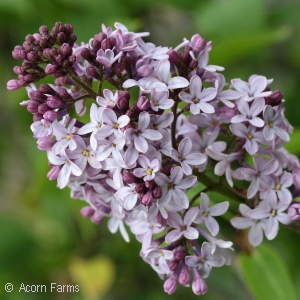
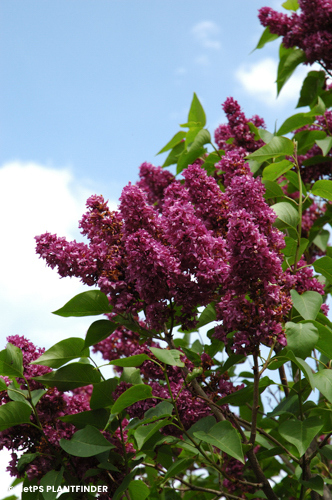
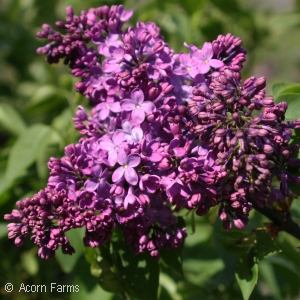
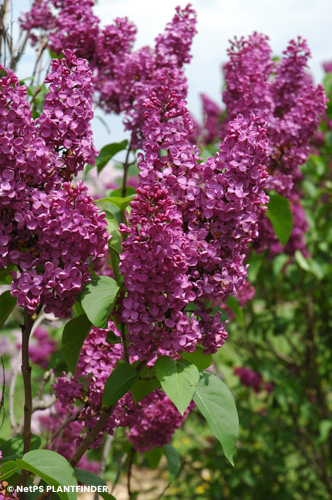
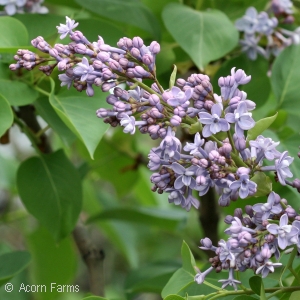
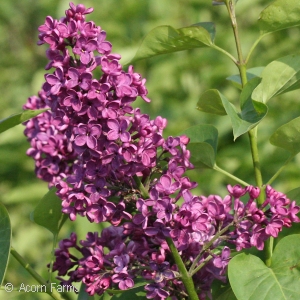
To help this plant settle in and thrive, we recommend these standard planting practices: plant in a site that receives full sun and has excellent drainage, as this species is particularly susceptible to root issues in soggy soil. Known for its dense, rounded habit and high resistance to powdery mildew, it should be spaced to allow for proper air circulation. Provide consistent moisture during the establishment phase and apply a balanced fertilizer each spring before new growth appears. Since this lilac blooms on old wood, do not prune in the late winter or early spring or you will lose the season's flowers; any necessary shaping or thinning should be done immediately after the fragrant purple blooms have finished in late spring.
ALSO AVAILABLE:
★ ON SALE ★