SYRINGA HYA ANGEL WHITE ACORN FARMS

ANGEL WHITE LILAC
SYRINGA HYA ANGEL WHITE

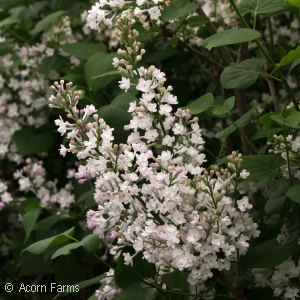
Syringa x hyacinthiflora 'Angel White'

photo copyright Acorn Farms Inc
SYRINGA HYA ANGEL WHITE
Genus: SYRINGA
trademark info Protected Series:
Height: 12 Feet Tall
Spread: 8 Feet Wide
Color: white flower
Full Sun Plants
Full Sun Deciduous Shrub Plants
Deciduous Shrub
Zone: 3
#1394  
             fragrant *


ANGEL WHITE LILAC


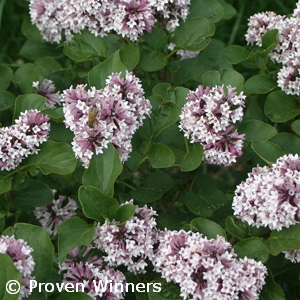
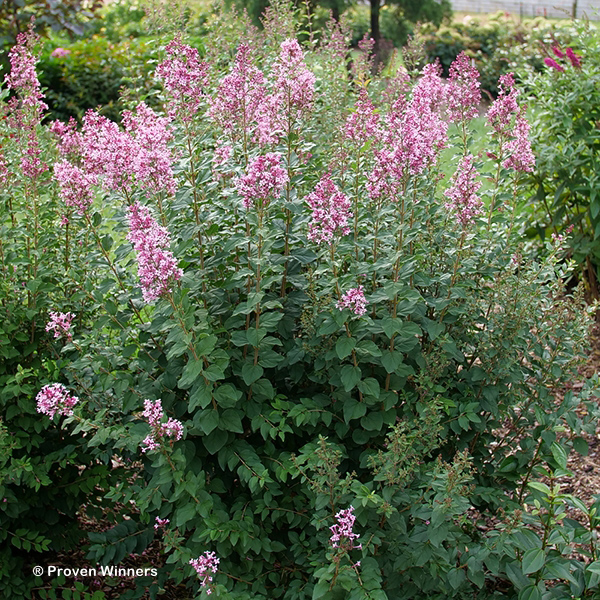
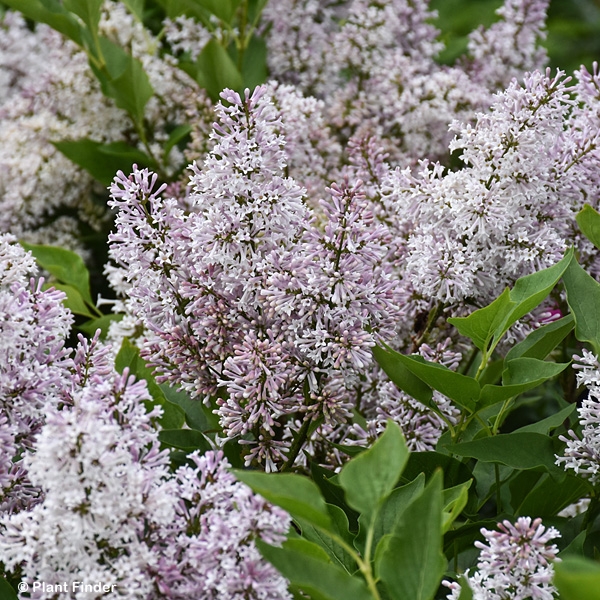
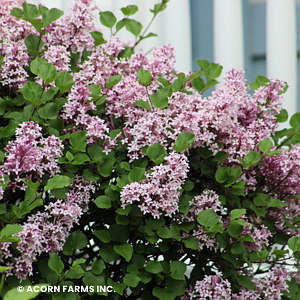
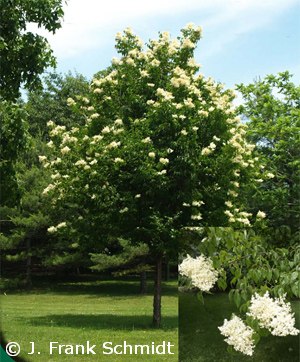
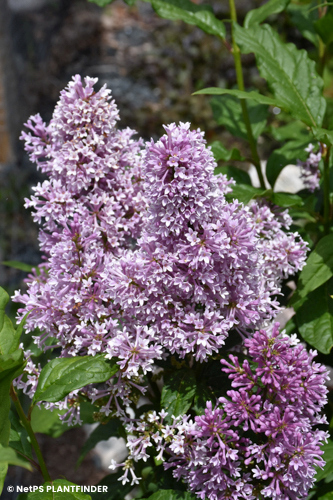
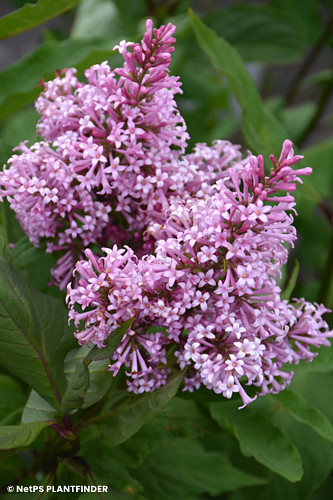
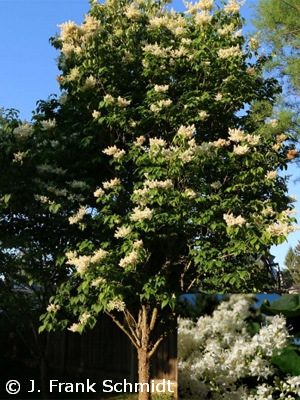
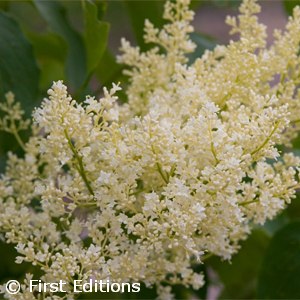
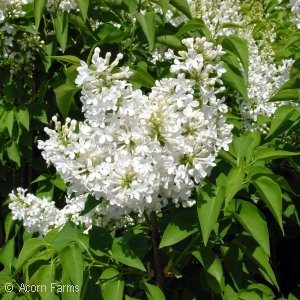
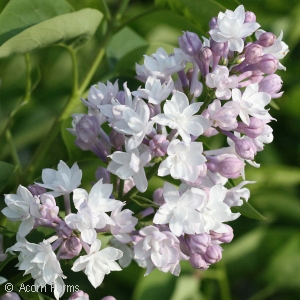
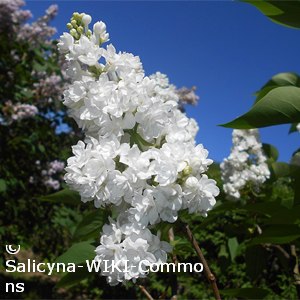
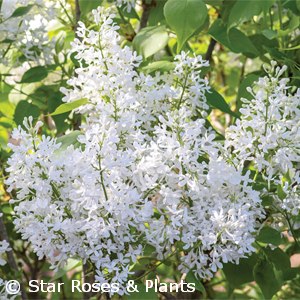
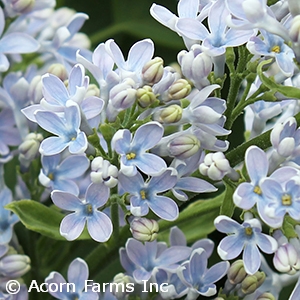
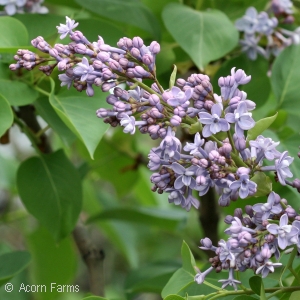
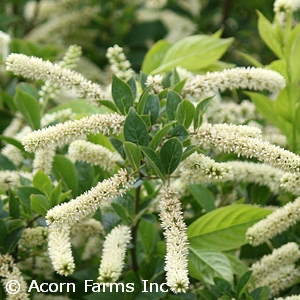
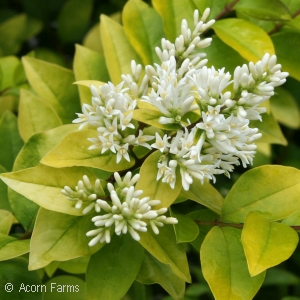
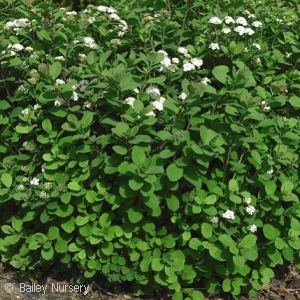
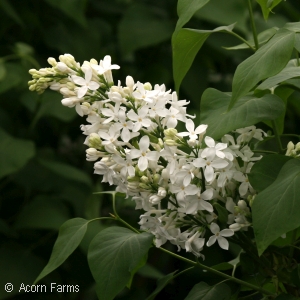
Syringa x hyacinthiflora 'Angel White' is commonly referred to as Angel White Lilac. It is a upright, spreading, deciduous tree that features fragrant clusters of pure white flowers in mid May, earlier than common lilacs. Flowers attract bees, butterflies and other beneficial pollinators. Its open branches are clothed in green, heart-shaped leaves that stay attractive through summer.

Angel White Lilac is deer resistant and thrives in full sun in fertile, humus-rich, evenly moist, well-drained soils. It can tolerate light shade, but there is better flower production in full sun. It is ideal for hedges, screens and accent plantings.


PLANT SIZE TYPE GALENA ADD'L DIG SOON

Current inventory will be listed above this line. This plant will not be in the cart if there is no Galena stock listed. Contact Sales Rep for details. |

KEY:
con = containers - available now
Galena = Above ground and available now
Additional = Remote location, call rep. Not in Shop.
Dig = Still in ground, call rep. Not in Shop (in orange).
Soon = Coming soon, call rep. Not in Shop.

(BBnPOT - formerly known as GRSTART - are B&B put into a container - they are available now)


Syringa (Lilac) Varieties: Dwarf Korean - Meyer Lilacs  |  Hybrid Lilacs |  Japanese Tree Lilacs  |  Peking Tree Lilacs  |  Persian Lilacs  |  Preston Lilacs  |  Old Fashioned Lilacs  |  Bloomerang® Lilacs


Planting Tips

To help this plant settle in and thrive, we recommend these standard planting practices: select a planting site with full sun and well-drained, neutral to slightly alkaline soil. This early-flowering hybrid is valued for its heat tolerance and lower chill requirement, but it still requires consistent moisture during its establishment phase. Apply a balanced fertilizer in early spring before new growth begins to support its vigorous flowering habit. Since this variety blooms on old wood, do not prune in late winter, as this will remove the season's white, fragrant panicles; any necessary structural pruning or deadheading should be done immediately after the flowers have faded in late spring.


AVAILABLE VARIETIES:


★ ON SALE ★