JUNIPERUS VIRGINIANA ACORN FARMS
EASTERN REDCEDAR

JUNIPERUS VIRGINIANA

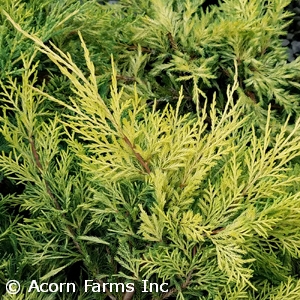
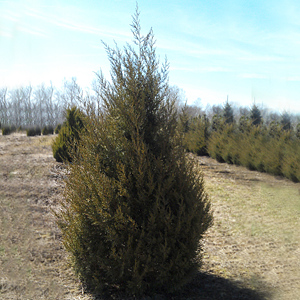
Juniperus virginiana
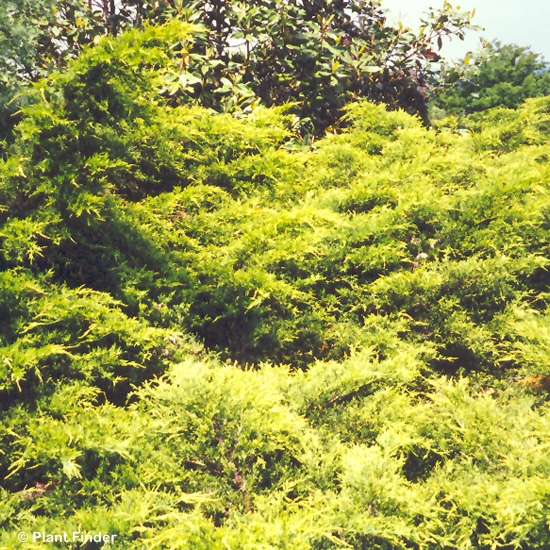
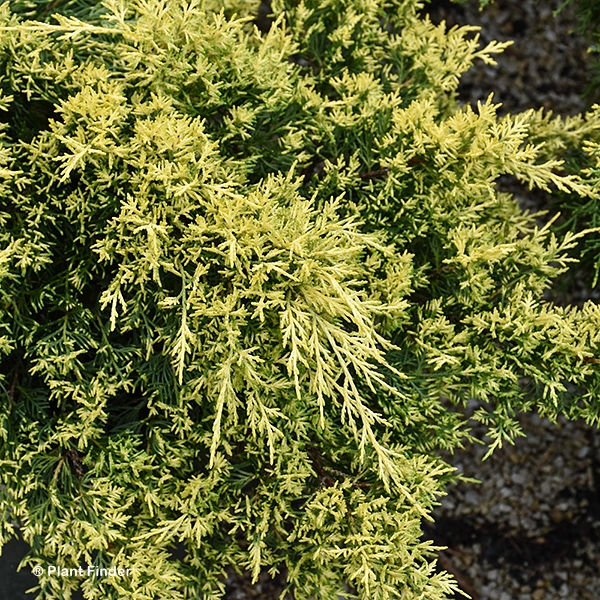
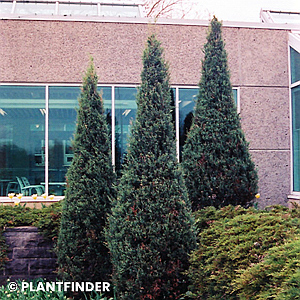
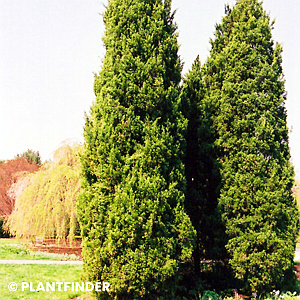
photo courtesy of PlantFinder

EASTERN REDCEDAR

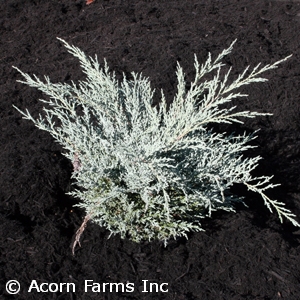
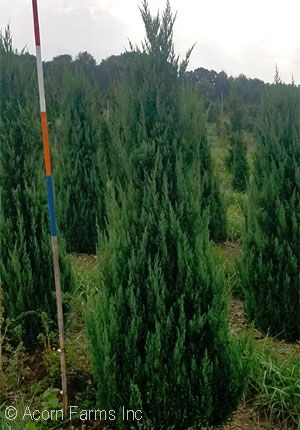
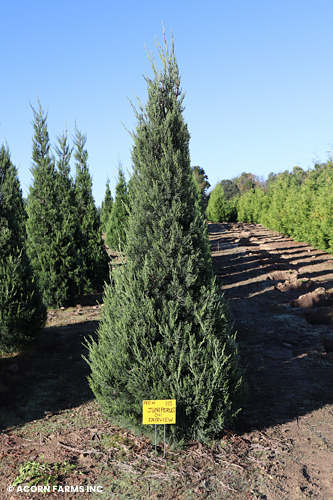
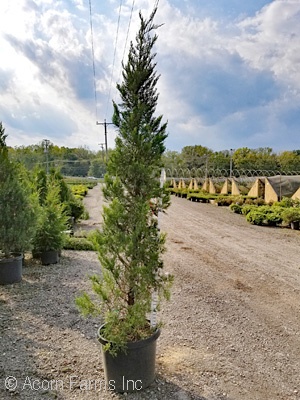
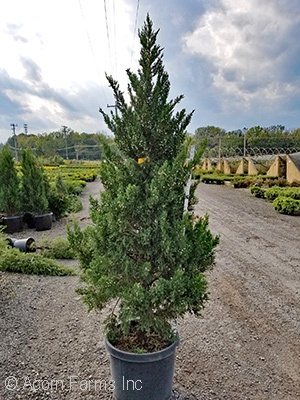
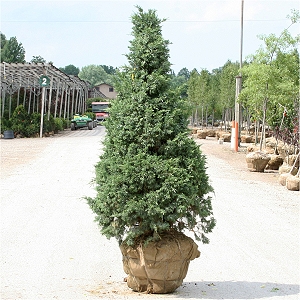
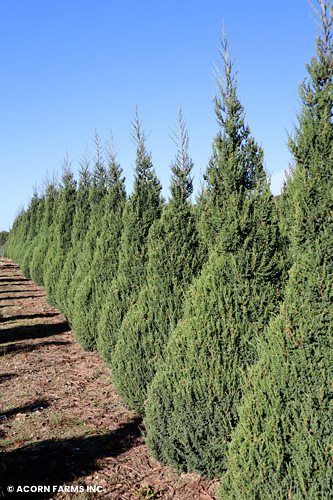
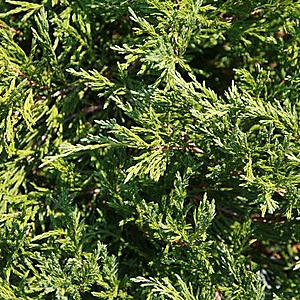
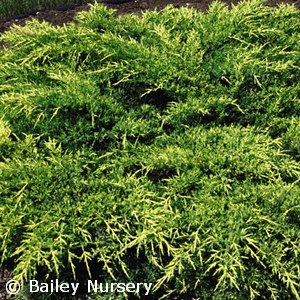
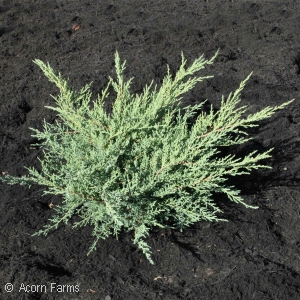
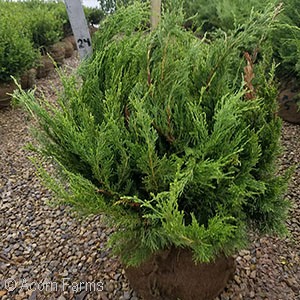
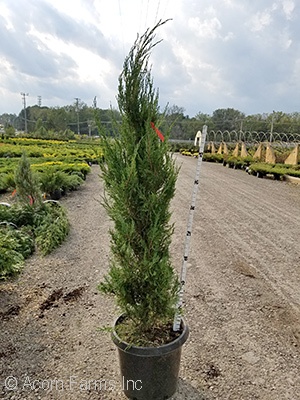
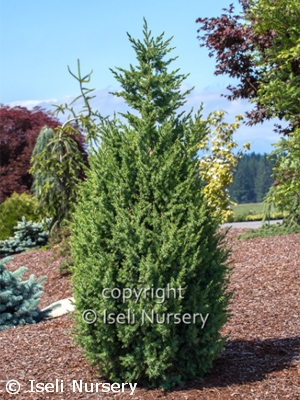
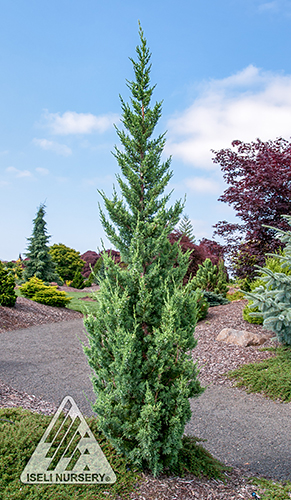
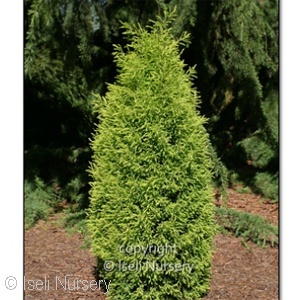
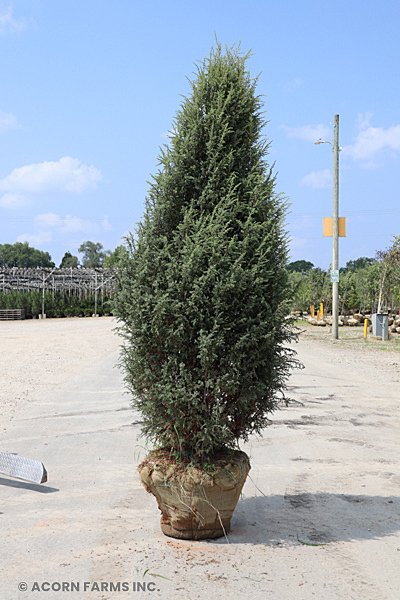
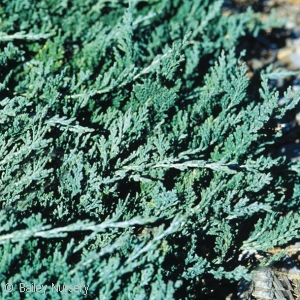
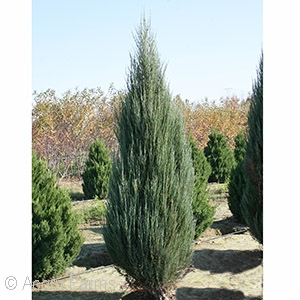
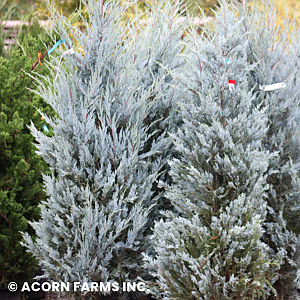
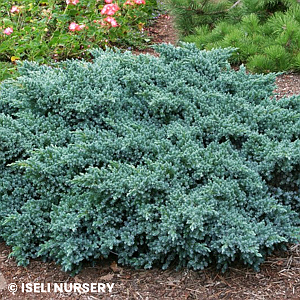
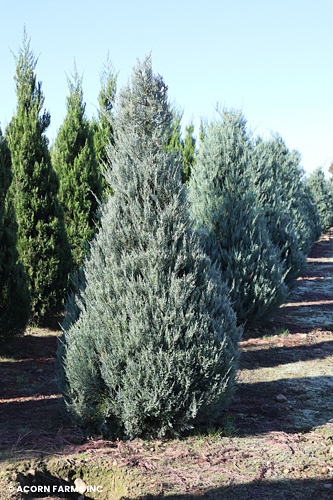
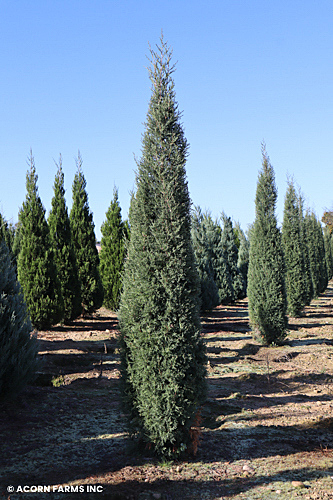
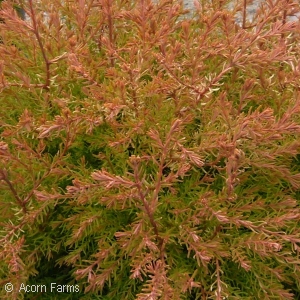
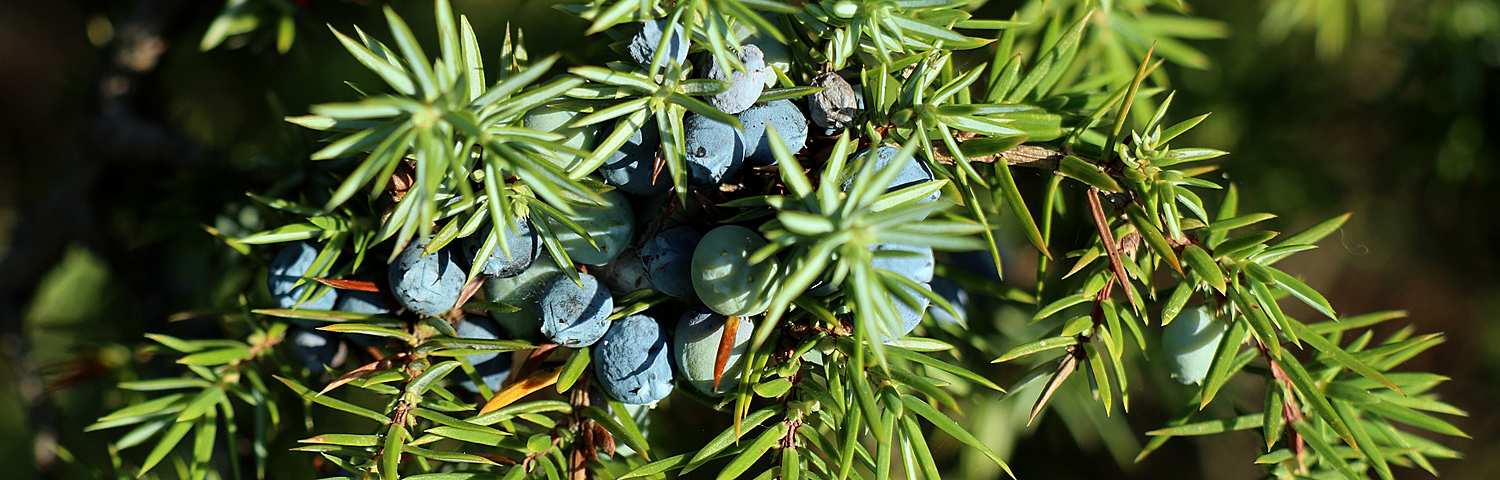
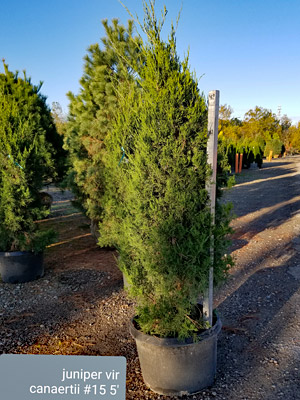
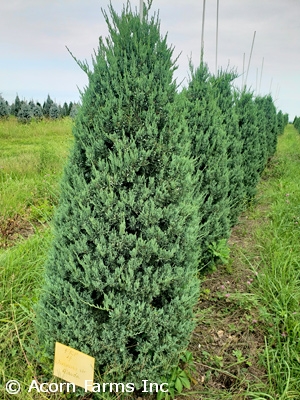
Juniperus virginiana is commonly referred to as Eastern Redcedar, Virginia Juniper, Red Juniper, Pencil Cedar, Carolina Cedar or Red Savin. This native selection is a pioneer species, which means it is one of the first trees to repopulate cleared land. It is the most common evergreen conifer found in Ohio and is long-lived with a potential to live over 900 years! It is a broadly conical, dense, evergreen conifer with horizontal branching. It is pyramidal when young and grows to 30-40 feet tall with a spread of 10 feet. It has fragrant scale-like, blue-green foliage that turns brown in winter. It produces dark purple-blue berries that are an important winter food for many birds. Bark is reddish-brown, fibrous and peels off in narrow strips.

The Eastern Red Cedar is resistant to extremes in drought, heat and cold. It thrives in full sun in average, sandy, well-drained soils. It will not tolerate standing water.
Scroll table horizontally to view all stock & quantities →
PLANT SIZE TYPE GALENA ADD'L DIG SOON
JUNIPERUS VIRGINIANA5-6 ft1000
JUNIPERUS VIRGINIANA8-10 ft5000

Current inventory will be listed above this line. Contact Sales Rep for details. |

KEY:
con = containers - available now
Galena = Above ground and available now
Additional = Remote location, call rep. Not in Shop.
Dig = Still in ground, call rep. Not in Shop (in orange).
Soon = Coming soon, call rep. Not in Shop.

(BBnPOT - formerly known as GRSTART - are B&B put into a container - they are available now)


Planting Tips ⓘ

To help this plant settle in and thrive, we recommend these standard planting practices: Plant in well-draining soil, selecting a location that receives full sun to ensure the best foliage color and density. These evergreen shrubs are incredibly durable and heat-tolerant, though they require consistent water during the first season until the root system is well established; thereafter, they are notably drought-tolerant.
Prune as needed in late winter or early spring to manage size or remove dead wood, but avoid aggressive shearing that exposes the inner woody stems. Apply a layer of organic mulch around the root zone to conserve moisture and suppress weeds, taking care to keep the material a few inches away from the crown to prevent stem rot.


ALSO AVAILABLE:


β˜… ON SALE β˜