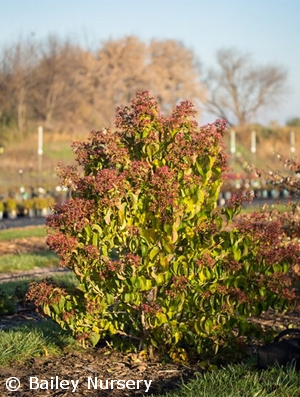
TIANSHAN® SEVEN-SON FLOWER
| PLANT | SIZE | TYPE | GALENA | ADD'L | DIG | SOON |
|---|---|---|---|---|---|---|
| HEPTACODIUM MIC TIANSHAN | 5-6 ft | M-STEM | 0 | 0 | 13 | 0 |
| HEPTACODIUM MIC TIANSHAN | 6-7 ft | M-STEM | 0 | 0 | 22 | 0 |
| HEPTACODIUM MIC TIANSHAN | 7-8 ft | M-STEM | 0 | 0 | 7 | 0 |
| HEPTACODIUM MIC TIANSHAN | 8-10 ft | M-STEM | 0 | 0 | 4 | 0 |
Current inventory will be listed above this line. Contact Sales Rep for details. | Click for key & info
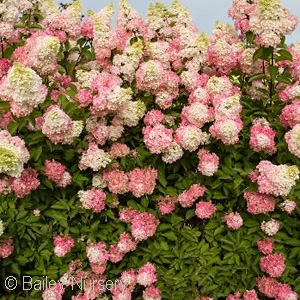
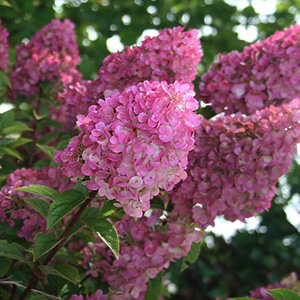
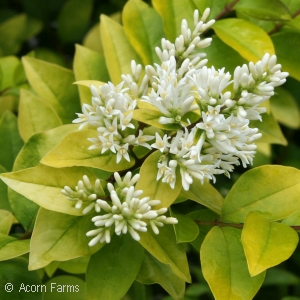
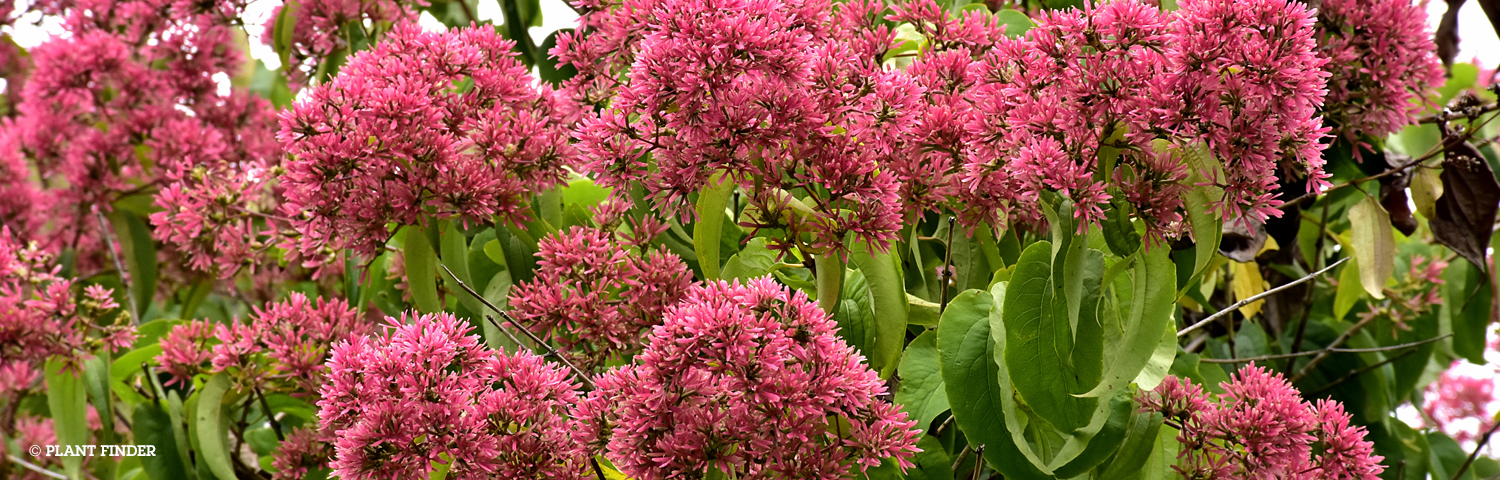
To help this plant settle in and thrive, we recommend these standard planting practices: Plant in average, well-draining soil, ensuring the site offers full sun to partial shade. While this species is notably adaptable and drought tolerant once established, provide regular water during the first growing season to encourage a deep, healthy root system. Maximum sun exposure is generally preferred to encourage the most prolific late-season flowering and the development of the attractive, showy calyces that persist after the blooms fade. Prune in late winter or early spring to remove dead wood or to manage its natural, often multi-stemmed, habit. This species is frequently trained as a small, ornamental tree by selecting and thinning branches to showcase its beautiful exfoliating bark, so be mindful of the desired architecture during early training.
ALSO AVAILABLE:
★ ON SALE ★