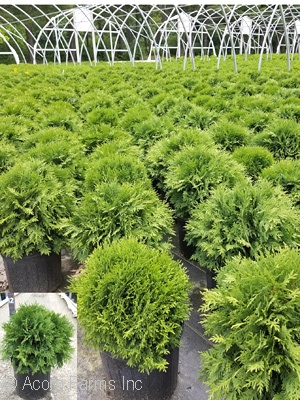
TRUE NORTH™ KENTUCKY COFFEE TREE
GYMNOCLADUS DIO TRUE NORTH
Gymnocladus dioicus True North™
TRUE NORTH™ KENTUCKY COFFEE TREE
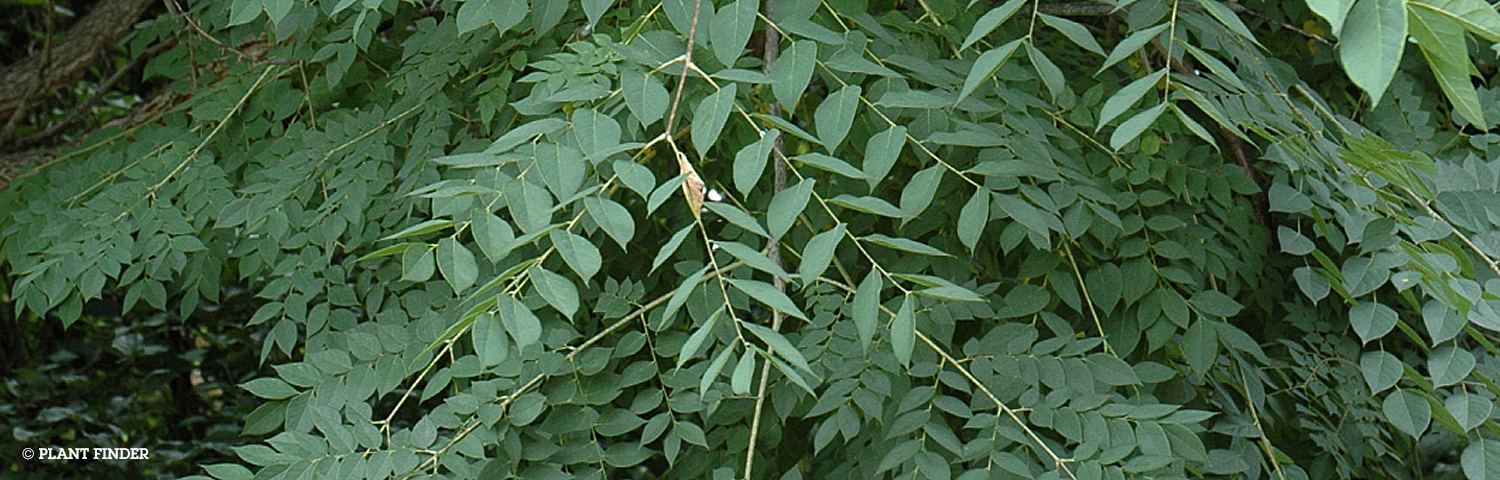
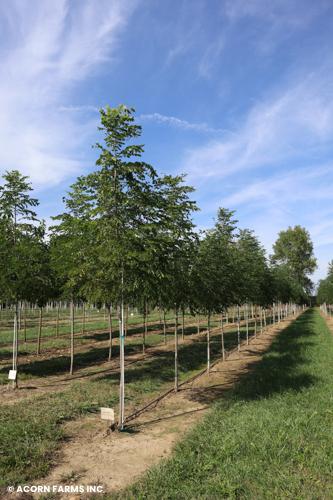
Gymnocladus dioicus True North™ is a distinguished, seedless selection of the native Kentucky Coffeetree prized for its refined narrow-upright habit and bold, architectural texture. Growing 50 feet tall with a compact 20-foot spread, it forms a handsome, symmetrical vase-shaped crown that provides dappled, airy shade perfect for lawns and underplanting. Its giant, doubly-compound bipinnate leaves emerge in spring with a delicate blue-green hue, casting a soft shade during summer without smothering lawn turf below. Because True North™ is a strictly male cultivar, it completely eliminates the mess of large seed pods associated with the female species, offering all the structural elegance of Kentucky Coffeetree with zero litter.
To thrive, True North™ Kentucky Coffeetree requires a spot in full sun, receiving at least six hours of unshaded daily light to build a strong canopy and straight central leader. It exhibits extraordinary adaptability, flourishing across USDA Zones 4 through 8 in soils ranging from wet, poorly drained clay to lean, dry, alkaline, or compacted urban conditions. Once established, it possesses exceptional drought and urban pollution tolerance, remaining completely unaffected by serious pests or diseases.
Scroll table horizontally to view all stock & quantities →
| PLANT |
SIZE |
TYPE |
GALENA |
ADD'L |
DIG |
SOON |
| GYMNOCLADUS DIO TRUE NORTH | 2 in | | 0 | 0 | 1 | 0 |
Current inventory will be listed above this line. Contact Sales Rep for details. |
Click for key & info
KEY:
con = containers - available now
Galena = Above ground and available now
Additional = Remote location, call rep. Not in Shop.
Dig = Still in ground, call rep. Not in Shop (in orange).
Soon = Coming soon, call rep. Not in Shop.
(BBnPOT - formerly known as GRSTART - are B&B put into a container - they are available now)