SANGO KAKU JAPANESE MAPLE
ACER PAL SANGO KAKU
Acer palmatum 'Sango-Kaku'
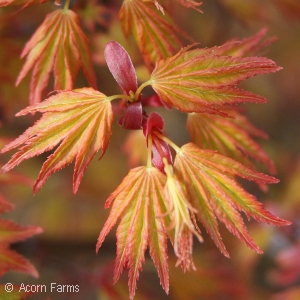
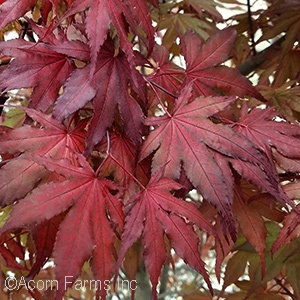
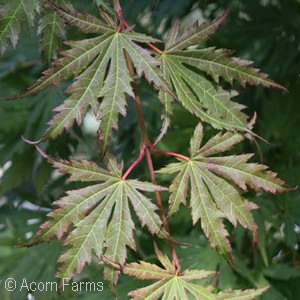
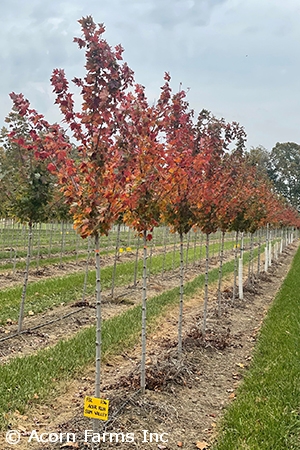
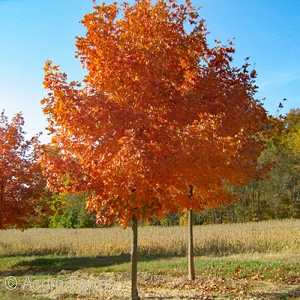
photo copyright Acorn Farms Inc
SANGO KAKU JAPANESE MAPLE
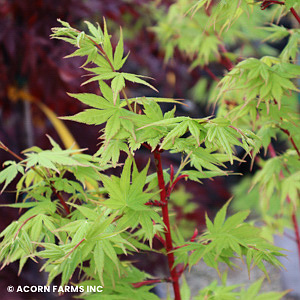
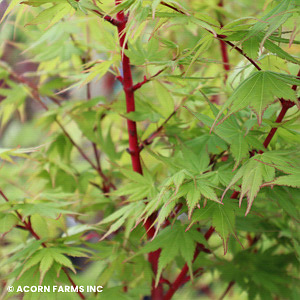
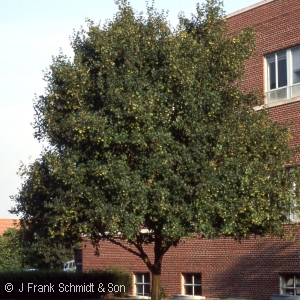
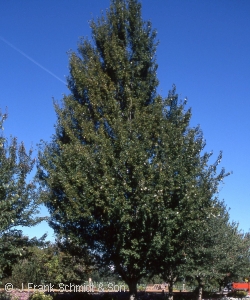
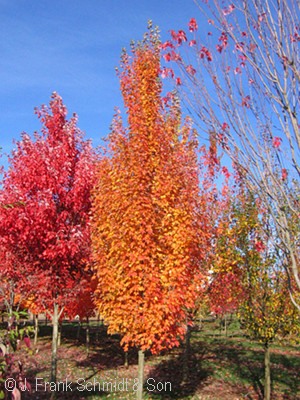
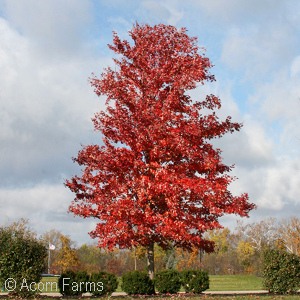
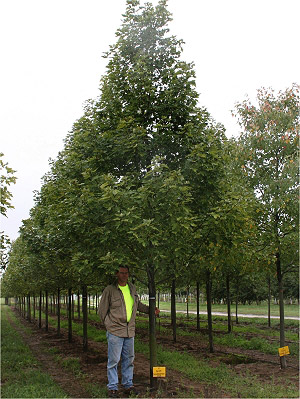
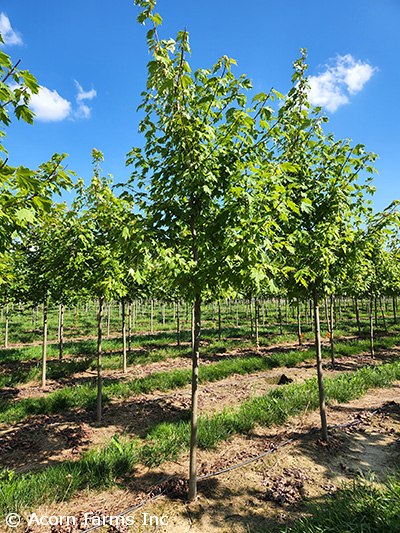
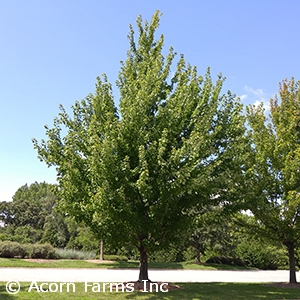
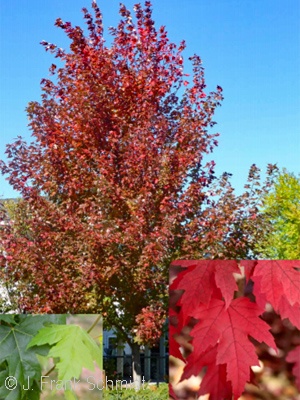
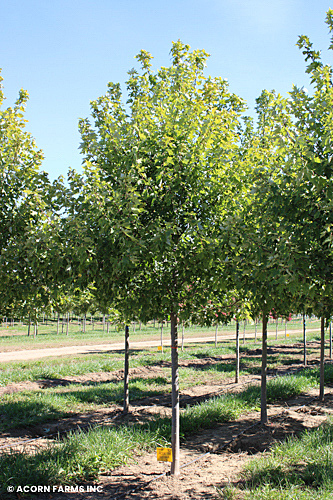
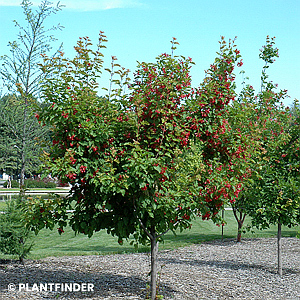
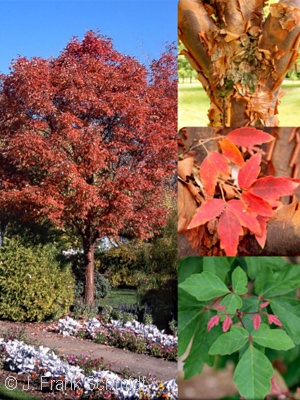
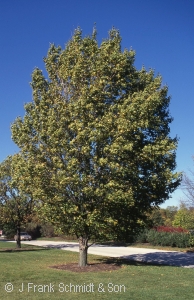
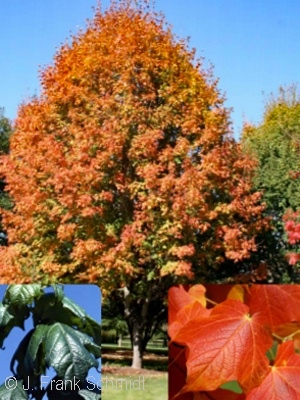
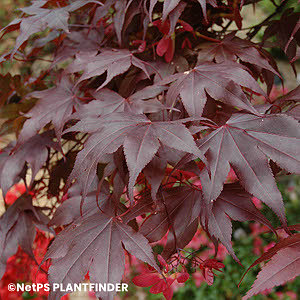
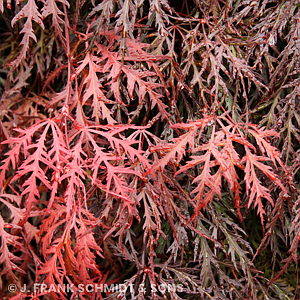
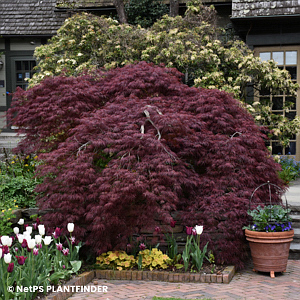
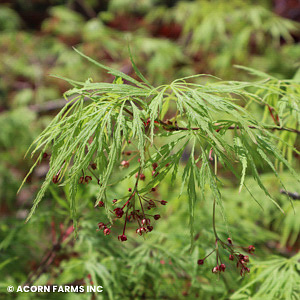
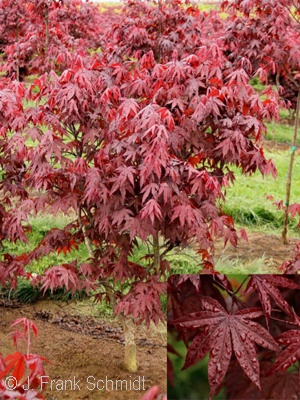
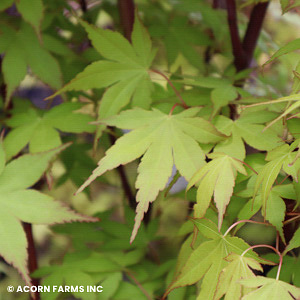
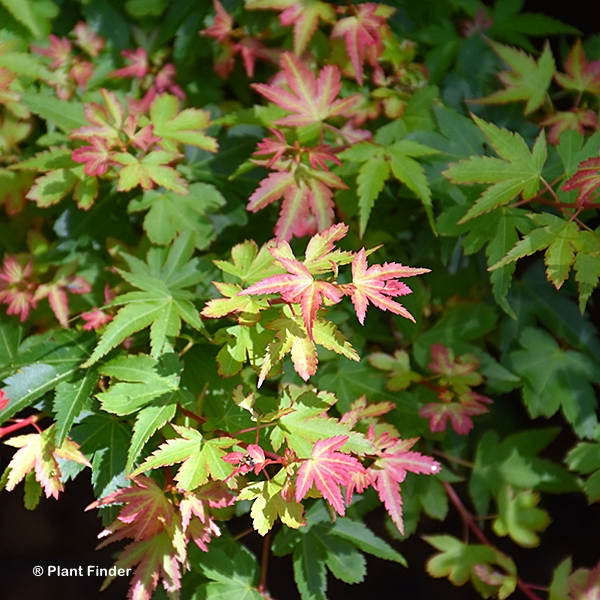
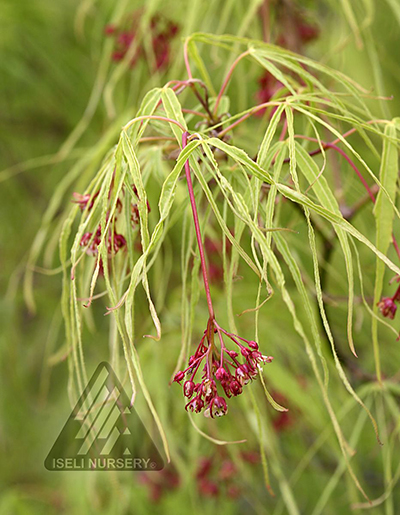
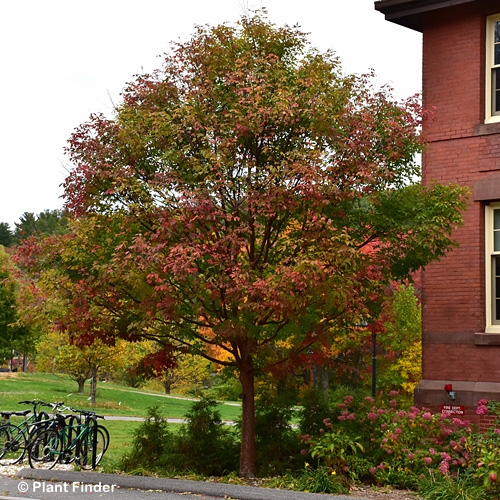
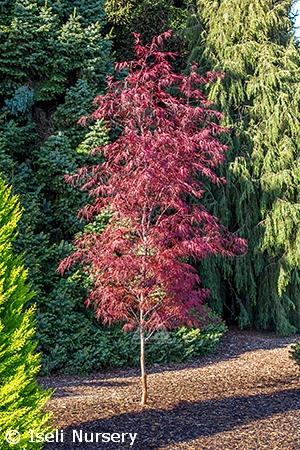
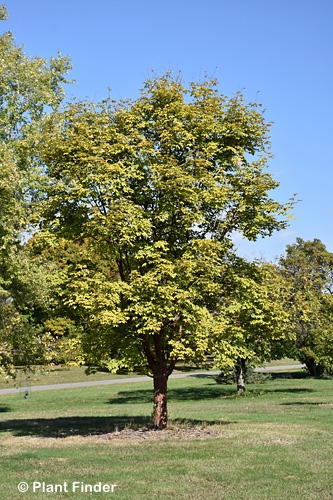
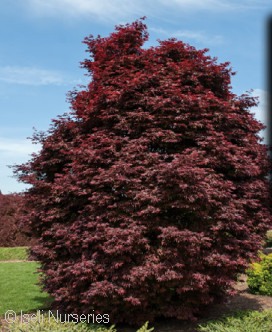
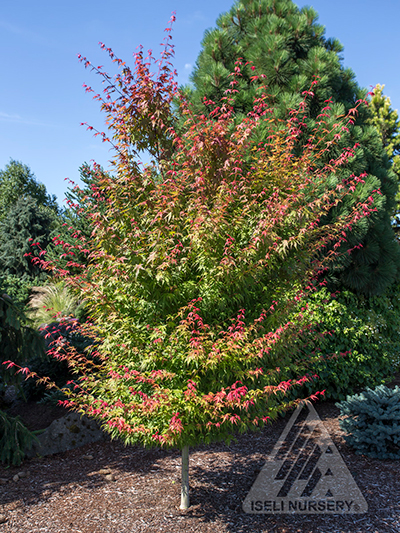
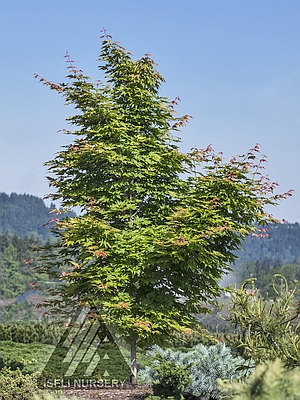
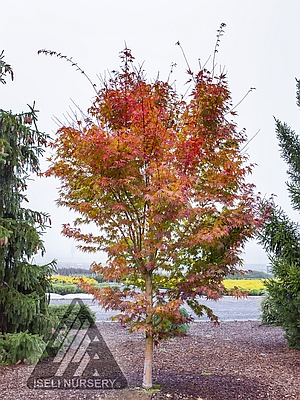
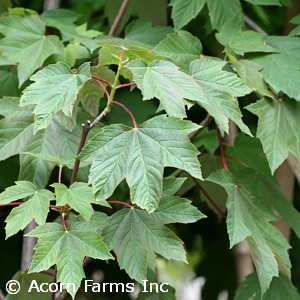
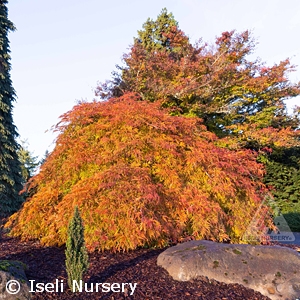
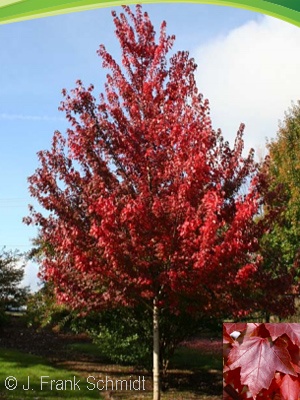
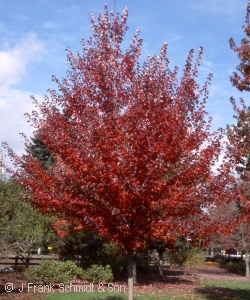
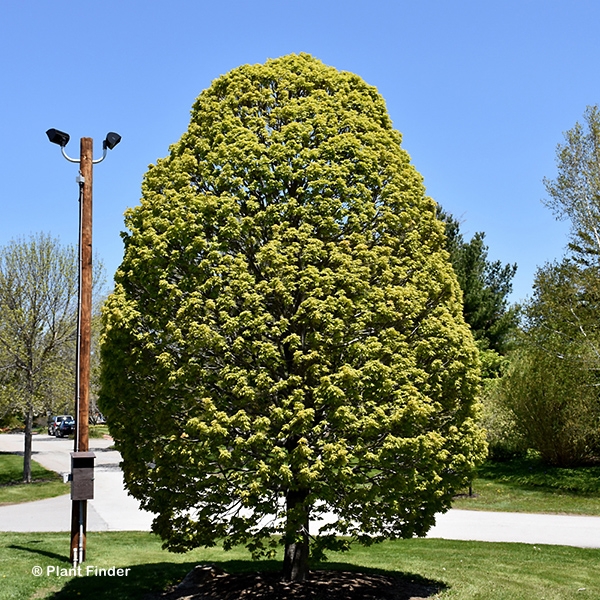
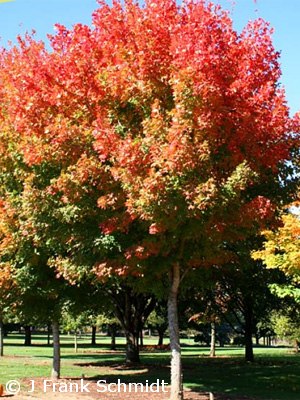
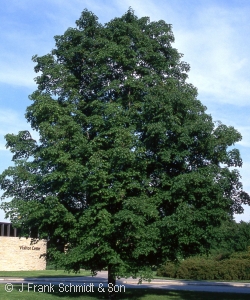
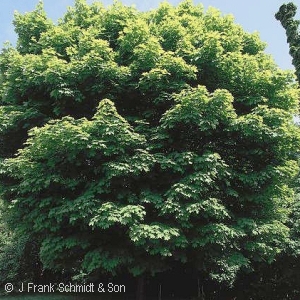
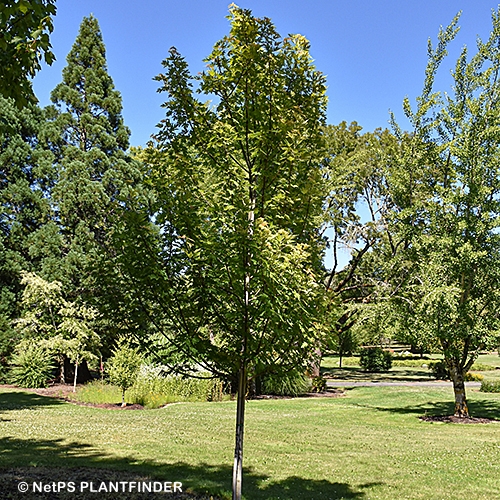
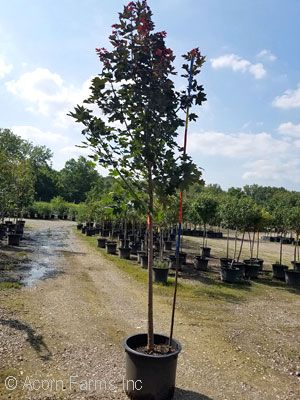
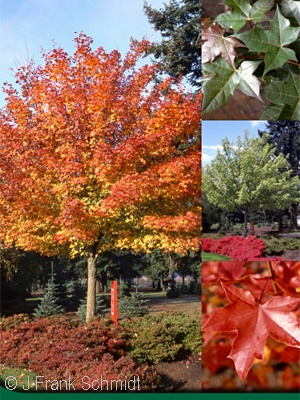
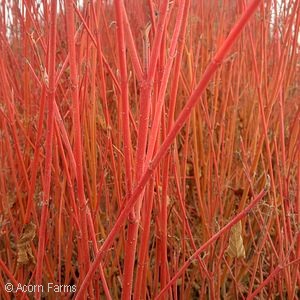
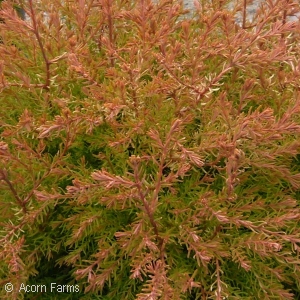
Acer palmatum 'Sango Kaku' is commonly referred to as Sango Kaku Japanese Maple or Coral Bark Maple. It is a medium-sized, award-winning Japanese Maple that features coral-red bark that is quite showy in the fall and winter months after the leaves drop.
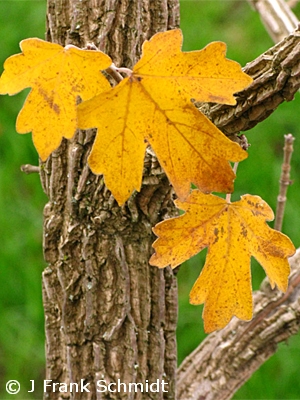
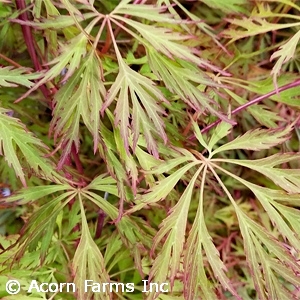
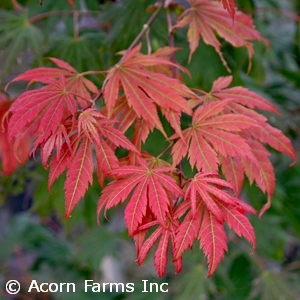
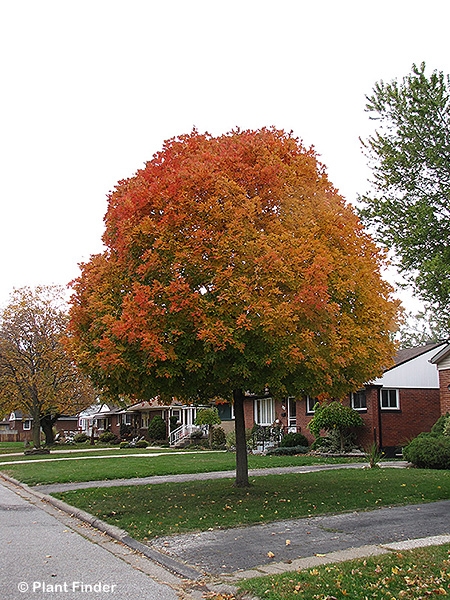
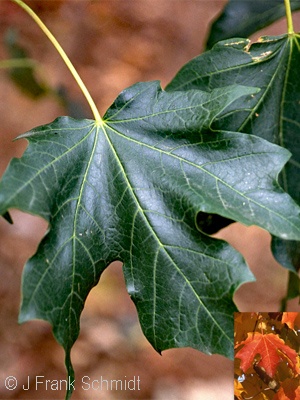
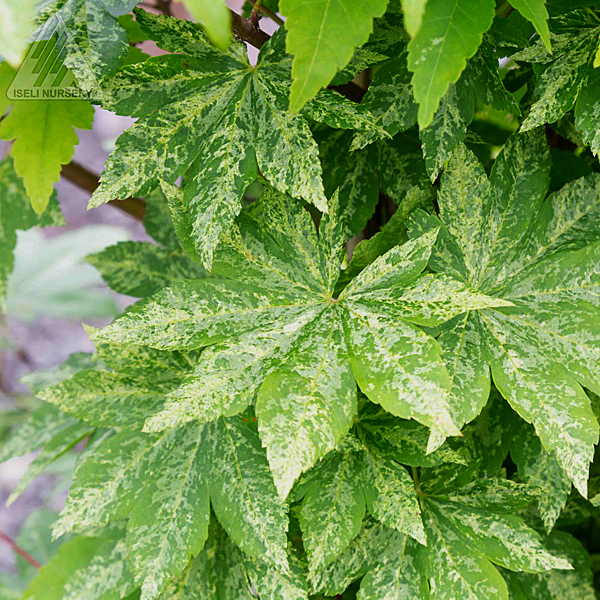
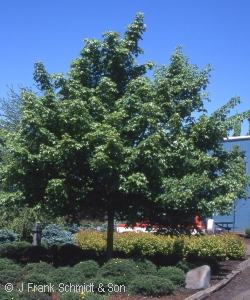
Sango Kaku Japanese Maples is drought tolerant and thrives in full sun to partial shade in organically rich, evenly moist, well-drained soils. Its foliage is light green-yellow with red margins in spring and summer transforming to a showy golden yellow in fall. Color intensifies in cooler weather to almost salmon color. This beautiful slow-grower is ideal as a specimen plant, cottage and Japanese gardens.
Scroll table horizontally to view all stock & quantities →
| PLANT |
SIZE |
TYPE |
GALENA |
ADD'L |
DIG |
SOON |
| No current sizes listed in database. |
Current inventory will be listed above this line. Contact Sales Rep for details. |
Click for key & info
KEY:
con = containers - available now
Galena = Above ground and available now
Additional = Remote location, call rep. Not in Shop.
Dig = Still in ground, call rep. Not in Shop (in orange).
Soon = Coming soon, call rep. Not in Shop.
(BBnPOT - formerly known as GRSTART - are B&B put into a container - they are available now)