ILEX GLABRA COMPACTA ACORN FARMS
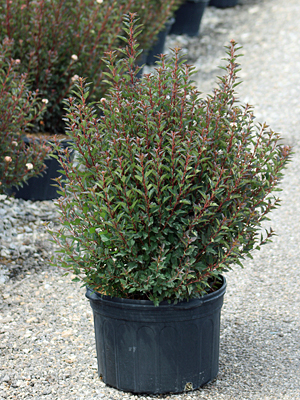
COMPACT FEMALE INKBERRY

ILEX GLABRA COMPACTA

Ilex glabra 'Compacta'
photo copyright Acorn Farms Inc

COMPACT FEMALE INKBERRY

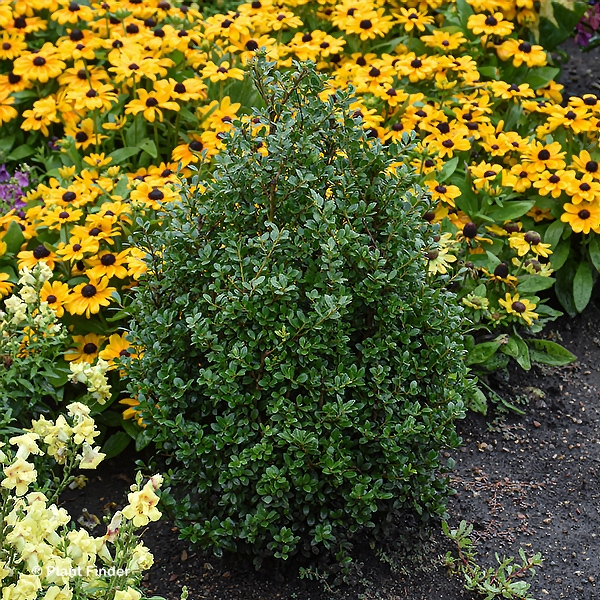
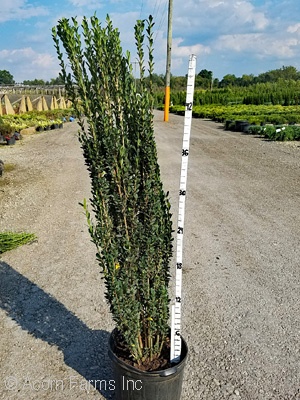
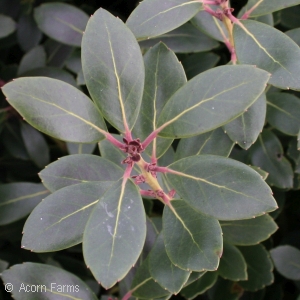
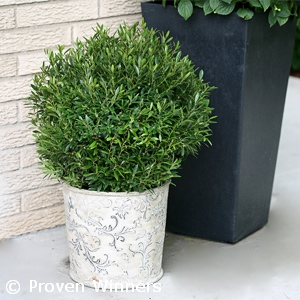
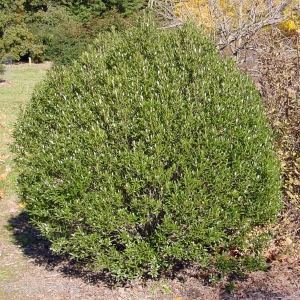
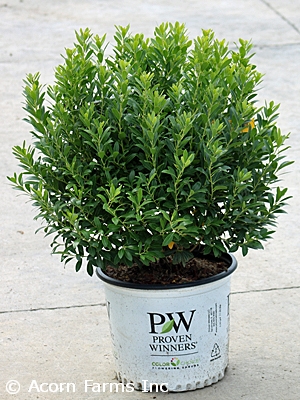
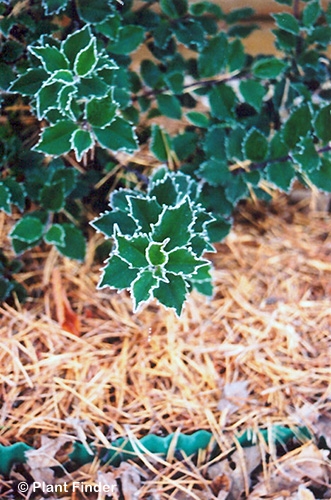
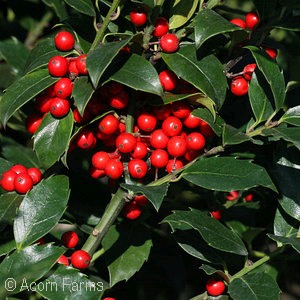
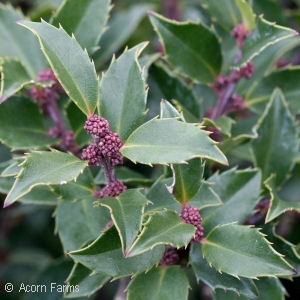
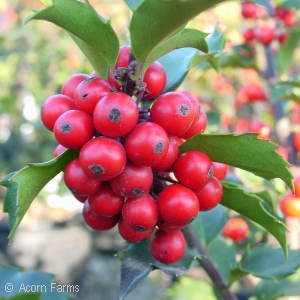
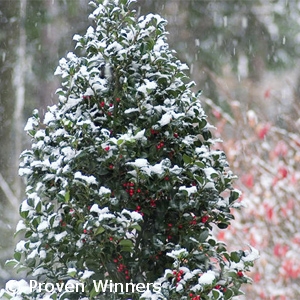
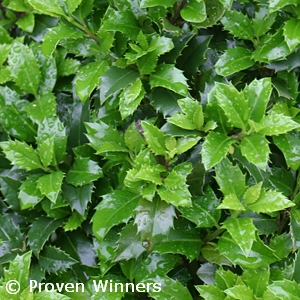
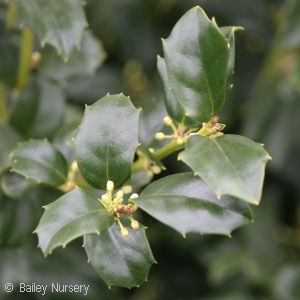
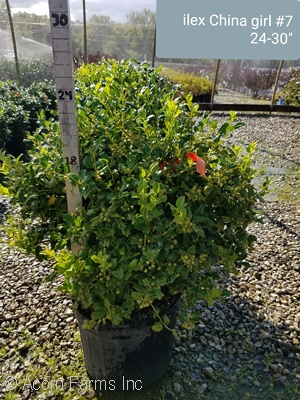
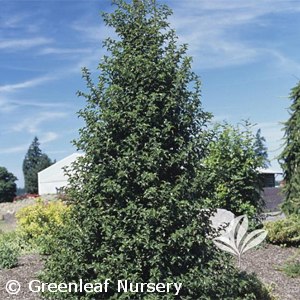
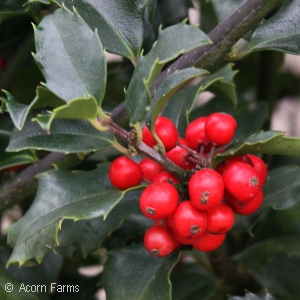
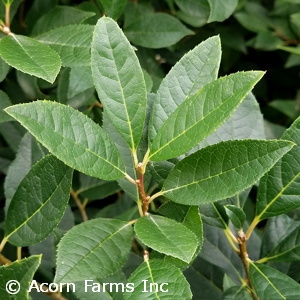
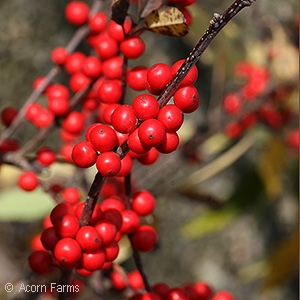
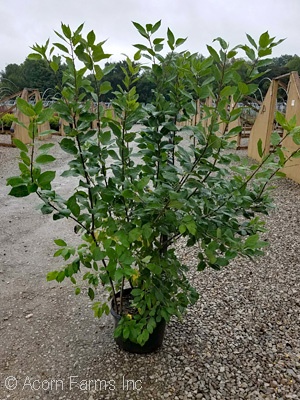
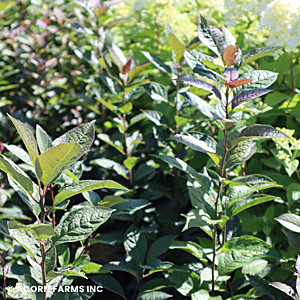
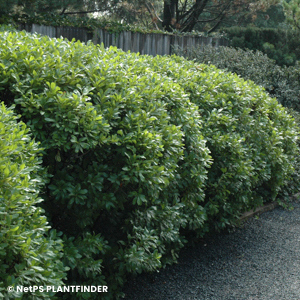
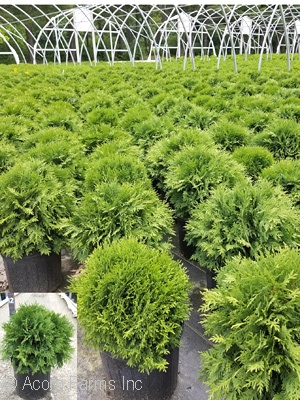
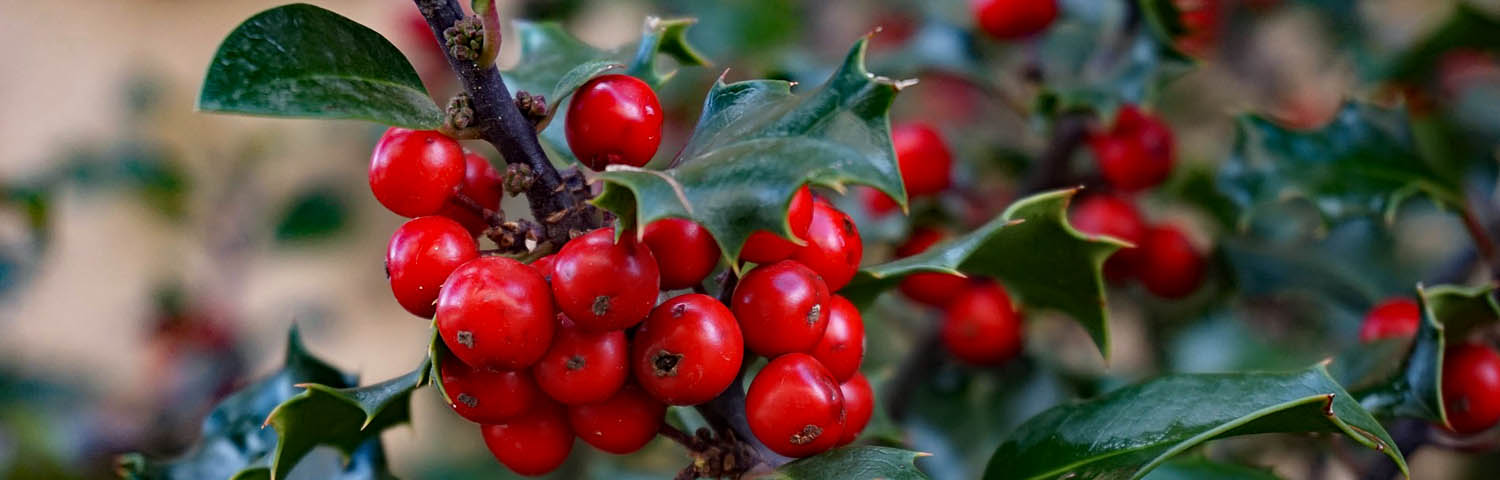
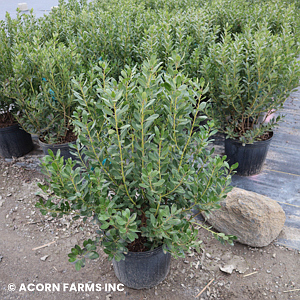
Ilex glabra 'Compacta' is commonly referred to as Compact Inkberry. This is a dense, dwarf, broadly pyramidal holly that features glossy dark evergreen foliage and an abundance of black berries in fall that persist through winter. Branching is compact right down to the ground, never looking naked or leggy. This fast-grower attracts birds with its berries and makes a nice sub for boxwoods. This female cultivar will need a male pollinator such as Ilex glabra 'Pretty Boy' to produce its black berries.

Compact Inkberry thrives in full sun to partial shade in rich, acidic, evenly moist, well-drained soils. It is tolerant of urban pollution and can thrive in city environments. It is ideal as a hedge or screening, topiary or foundation planting.
Scroll table horizontally to view all stock & quantities →
PLANT SIZE TYPE GALENA ADD'L DIG SOON
ILEX GLABRA COMPACTAcon 315-18 in3000
ILEX GLABRA COMPACTAcon 518-24 in50000

Current inventory will be listed above this line. Contact Sales Rep for details. |

KEY:
con = containers - available now
Galena = Above ground and available now
Additional = Remote location, call rep. Not in Shop.
Dig = Still in ground, call rep. Not in Shop (in orange).
Soon = Coming soon, call rep. Not in Shop.

(BBnPOT - formerly known as GRSTART - are B&B put into a container - they are available now)


Ilex (Holly/Winterberry) Types:
American Holly  |  Blue Holly  |  Inkberry Holly  |  Japanese Holly  |  Winterberry


Planting Tips ⓘ

To help this plant settle in and thrive, we recommend these standard planting practices: Plant in fertile, acidic, and well-draining soil, selecting a location that ranges from full sun to partial shade depending on the specific cultivar. These versatile shrubs generally prefer consistent moisture, especially during the first growing season to establish strong root systems, and they benefit from protection against harsh, drying winds. Prune in late winter or early spring to remove dead wood or to shape the plant, which encourages dense, healthy foliage and helps maintain a manageable size. Apply a layer of organic mulch around the root zone to conserve moisture and maintain soil acidity, taking care to keep the material a few inches away from the crown to prevent stem rot.


ALSO AVAILABLE:


β˜… ON SALE β˜