H F YOUNG BLUE CLEMATIS (GROUP2)
CLEMATIS H F YOUNG
Clematis H. F. Young
photo courtesy of Plant Finder
H F YOUNG BLUE CLEMATIS (GROUP2)
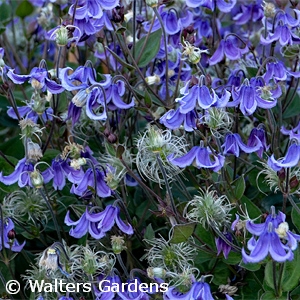
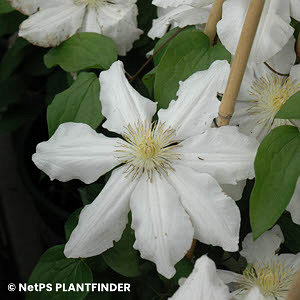
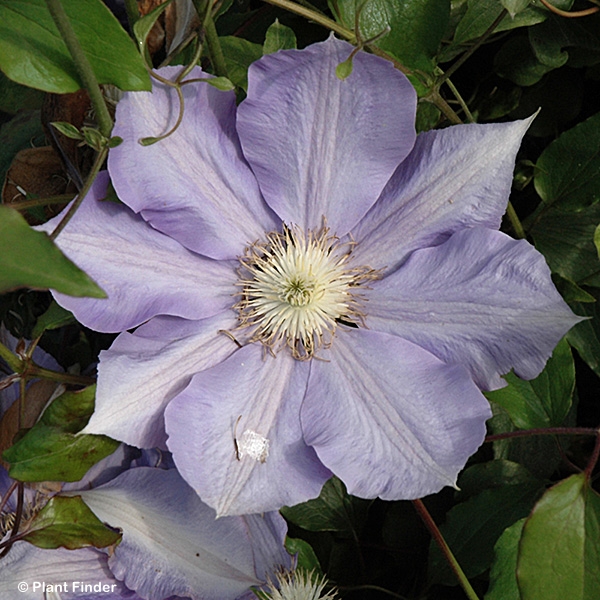
Clematis H. F. Young is commonly referred to as H. F. Young Clematis. This beautiful, easy to grow deciduous climber grows 7-8 feet and features pale blue, long-lasting, 6-9 inch blooms from late spring to early summer, and then again in late summer. It is known for its long bloom time if spent flowers are deadheaded.
H. F. Young Clematis a member of the clematis pruning Group 2. It does not require major pruning, and it blooms best on old vine. It thrives in full to partial sun in rich, evenly moist, well-drained soils.
Scroll table horizontally to view all stock & quantities →
| PLANT |
SIZE |
TYPE |
GALENA |
ADD'L |
DIG |
SOON |
| No current sizes listed in database. |
Current inventory will be listed above this line. Contact Sales Rep for details. |
Click for key & info
KEY:
con = containers - available now
Galena = Above ground and available now
Additional = Remote location, call rep. Not in Shop.
Dig = Still in ground, call rep. Not in Shop (in orange).
Soon = Coming soon, call rep. Not in Shop.
(BBnPOT - formerly known as GRSTART - are B&B put into a container - they are available now)
Clematis Groups:
Clematis Group 1 (Early-flowering) - These varieties bloom on old wood (growth from the previous year) in early spring. They generally require no routine pruning; if they become too large or untidy, simply trim them back immediately after they finish flowering.
Clematis Group 2 (Large-flowered hybrids) - These typically produce a flush of blooms in early summer on old wood and often a second, lighter flush on new growth later in the season. Prune them lightly in early spring by removing dead or weak stems, cutting back to the highest pair of healthy buds, and optionally trimming again after the first bloom to encourage re-flowering.
Clematis Group 3 (Late-flowering) - These bloom on new wood (growth produced during the current season) in late summer or fall. They are the most forgiving to prune; cut them back hard in late winter or early spring, typically to about 6–12 inches above the ground, to encourage vigorous new growth and abundant blooms.

 Protected Series: GROUP2