AZALEA EXB MANDARIN LIGHTS ACORN FARMS
MANDARIN DECIDUOUS AZALEA

AZALEA EXB MANDARIN LIGHTS

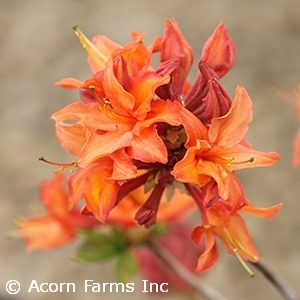
Azalea exbury 'Mandarin Lights' (Northern Lights Hybrid)
photo copyright Acorn Farms Inc

MANDARIN DECIDUOUS AZALEA

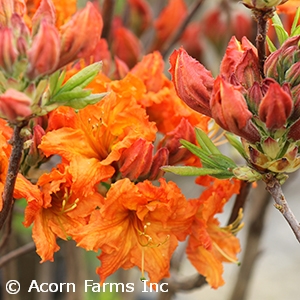
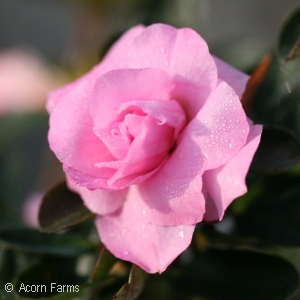
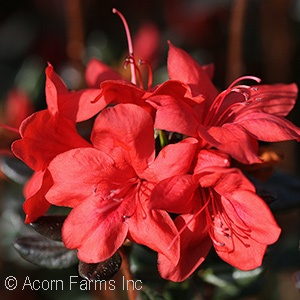
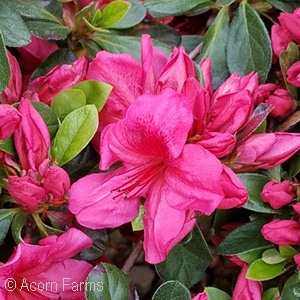
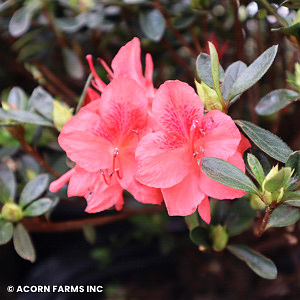
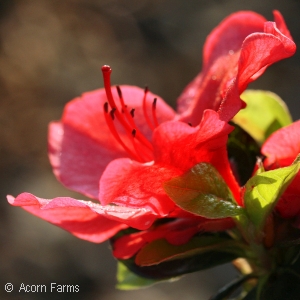
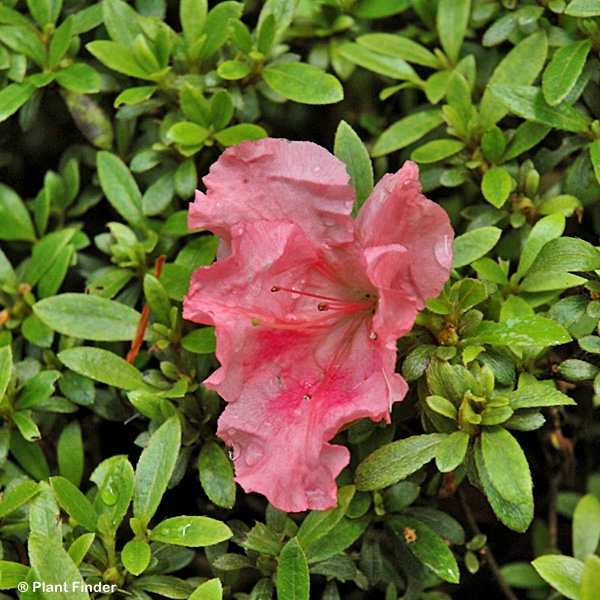
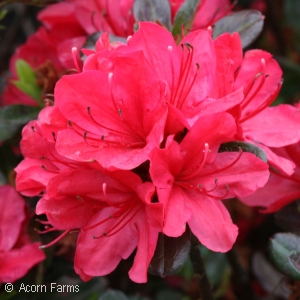
Azalea exbury 'Mandarin Lights' is commonly referred to as Mandarin Lights Azalea or Mandarin Lights Rhododendron. It is an exceptionally hardy, deciduous azalea that is Northern Lights Hybrid bred by the University of Minnesota for its cold hardiness and compact habit. It features ruffled, bright orange-red flowers that are lightly scented. Flowers emerge before the green foliage. Narrow green leaves turn an attractive purple in fall.

Mandarin Lights Azalea thrives in full to partial sun in rich, acidic, humusy, evenly moist, well-drained soils. It will not tolerate prolonged periods of drought. Ideal for accent, foundation or mass plantings.
Scroll table horizontally to view all stock & quantities →
PLANT SIZE TYPE GALENA ADD'L DIG SOON
AZALEA EXB MANDARIN LIGHTScon 315-18 in15000

Current inventory will be listed above this line. Contact Sales Rep for details. |

KEY:
con = containers - available now
Galena = Above ground and available now
Additional = Remote location, call rep. Not in Shop.
Dig = Still in ground, call rep. Not in Shop (in orange).
Soon = Coming soon, call rep. Not in Shop.

(BBnPOT - formerly known as GRSTART - are B&B put into a container - they are available now)


Planting Tips ⓘ

To help this plant settle in and thrive, we recommend these standard planting practices: Plant in full sun to partial shade - this type is significantly more sun-tolerant than evergreen azaleas. Ensure soil is acidic, well-draining, and rich in organic matter. Plant shallow - the top of the root ball should sit 1 to 2 inches above the surrounding soil level; never bury the crown. Keep soil consistently moist, especially during the first two growing seasons. Mulching: Apply 2 to 3 inches of pine needles or bark, keeping it away from the main stem. Note: This plant is deciduous; it will drop its leaves in late autumn. This is a natural dormant phase, not a sign of illness.


ALSO AVAILABLE:


β˜… ON SALE β˜