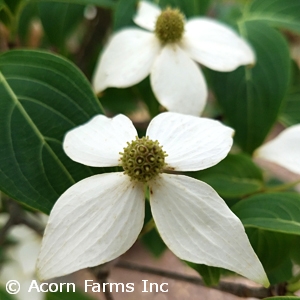
CORNUS KOUSA BLUE SHADOW ACORN FARMS

BLUE SHADOW CHINESE DOGWOOD
CORNUS KOUSA BLUE SHADOW

Cornus kousa 'Blue Shadow'

photo copyright Acorn Farms Inc
CORNUS KOUSA BLUE SHADOW
Genus: CORNUS
trademark info Protected Series:
Height: 30 Feet Tall
Spread: 20 Feet Wide
Color: white flower
Full Sun Plants
Full Sun Deciduous Tree Plants
Deciduous Tree
Zone: 5
#0112  
   birds *    exfoliating bark *      


BLUE SHADOW CHINESE DOGWOOD


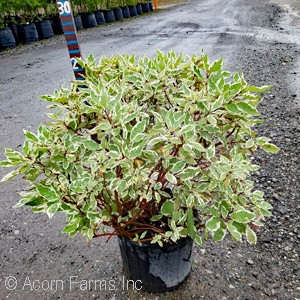
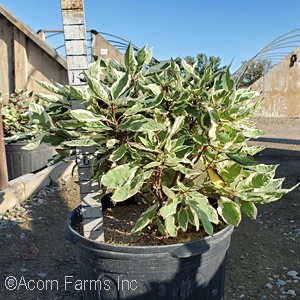
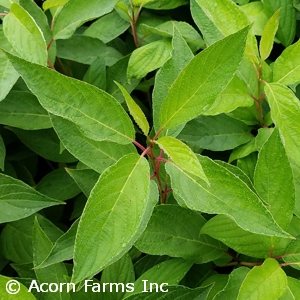
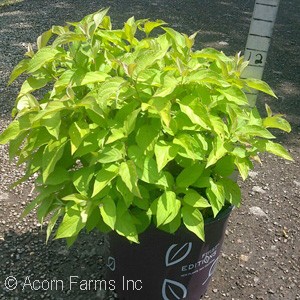
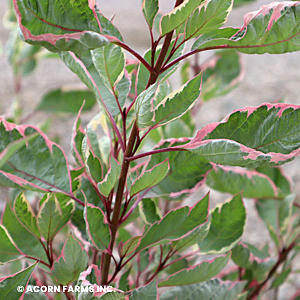
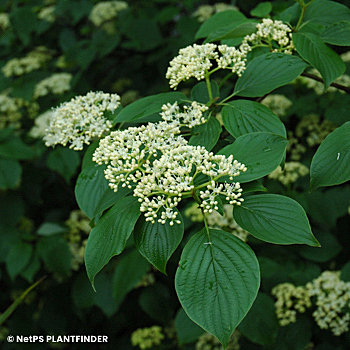
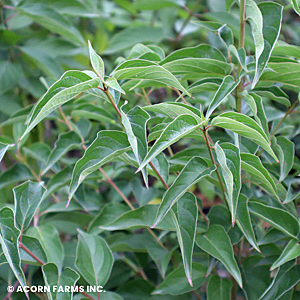
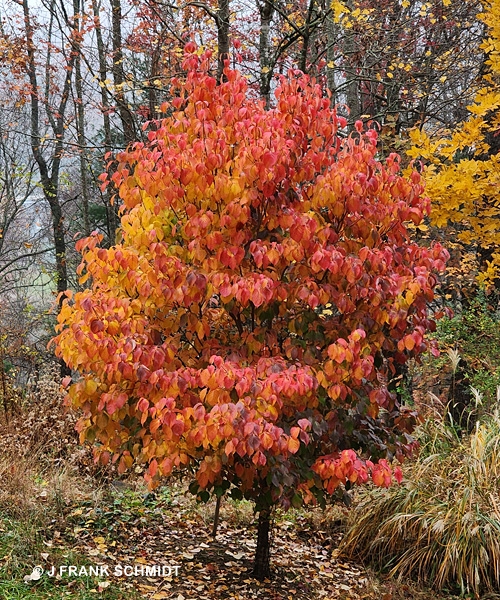
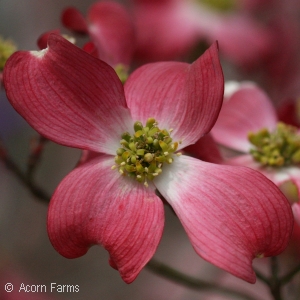
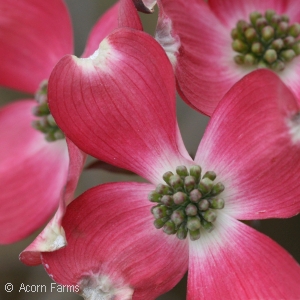
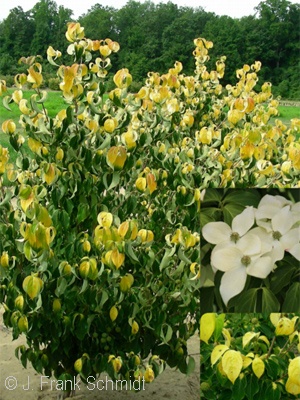
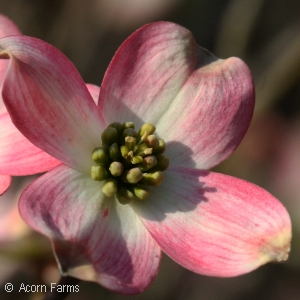
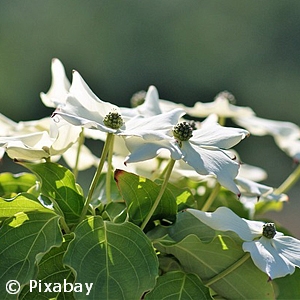
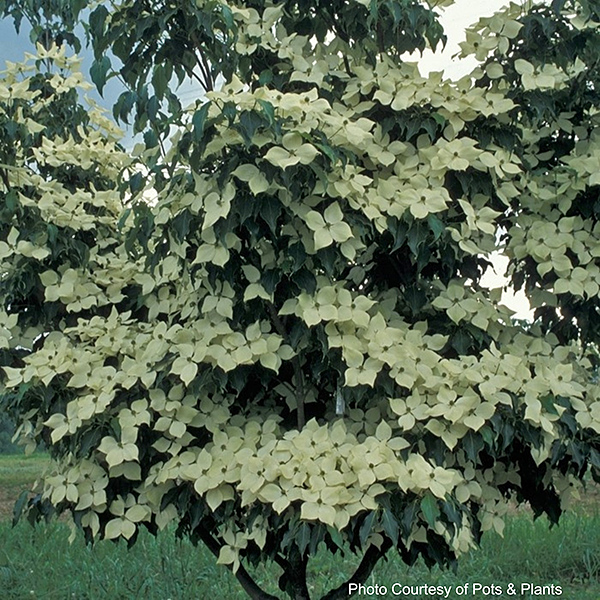
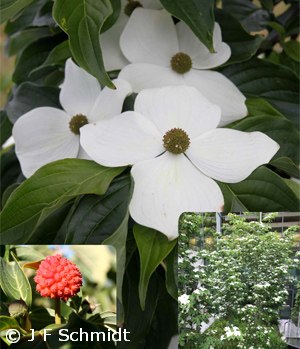
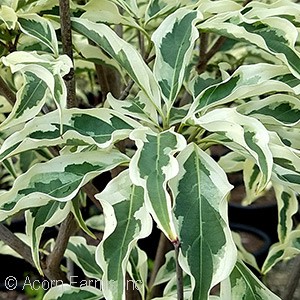
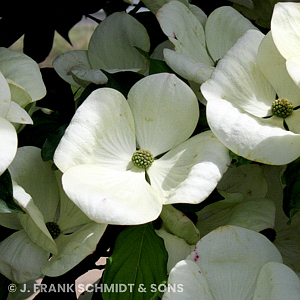
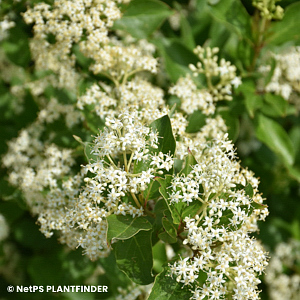
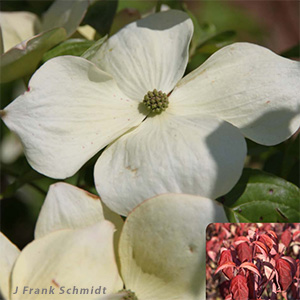
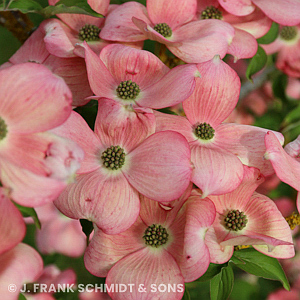
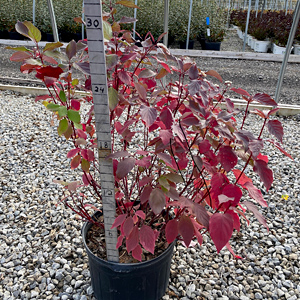
Blue Shadow Chinese Dogwood is a vigorous, broad-spreading Kousa dogwood that features bluish green foliage that is a bit larger than other Kousa dogwoods. Showy clusters of white flower bracts cover its oriental-like horizontally-tiered branches for several weeks in spring. Come late summer, an abundance of raspberry-like fruit appears followed by red fall color. In winter, attractive peeling, gray bark adds another dimension and interest to this tree.


PLANT SIZE TYPE GALENA ADD'L DIG SOON

Current inventory will be listed above this line. This plant will not be in the cart if there is no Galena stock listed. Contact Sales Rep for details. |

KEY:
con = containers - available now
Galena = Above ground and available now
Additional = Remote location, call rep. Not in Shop.
Dig = Still in ground, call rep. Not in Shop (in orange).
Soon = Coming soon, call rep. Not in Shop.

(BBnPOT - formerly known as GRSTART - are B&B put into a container - they are available now)


Cornus (Dogwood) Types:
Bunchberry Dogwood  |  Chinese (Kousa) Dogwood  |  Cornelian Dogwood  |  Flowering Tree Dogwood  |  Giant Tree Dogwood |  Gray Dogwood  |  Pagoda Dogwood |  Red Twig Dogwood  |  Yellow Twig Dogwood


Planting Tips

To help this plant settle in and thrive, we recommend these standard planting practices: Plant in full sun to partial shade; this species is more sun-tolerant than other dogwoods. Ensure soil is well-draining, rich, and slightly acidic. When planting, keep the root flare visible at the soil surface; never bury the trunk. Water deeply and consistently during the first two growing seasons. Pruning is rarely necessary; only remove dead, diseased, or crossing branches in late winter or early spring.


ALSO AVAILABLE:


★ ON SALE ★