KARENS APPALACHIAN BLUSH FLOWERING DOGWOOD
CORNUS FLO APPALACHIAN BLUSH
Cornus florida 'Karens Appalachian Blush' PP13165
KARENS APPALACHIAN BLUSH FLOWERING DOGWOOD
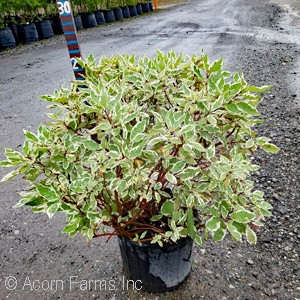
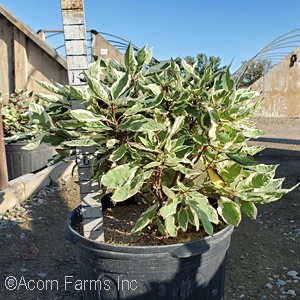
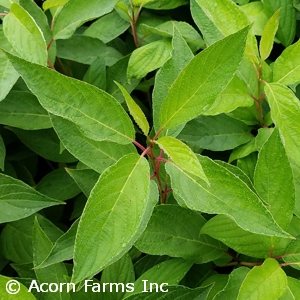
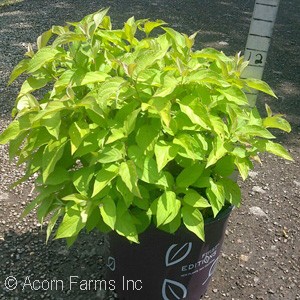
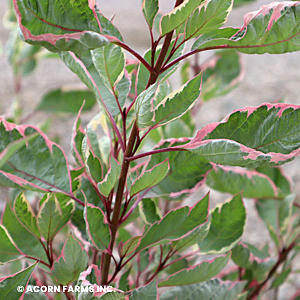
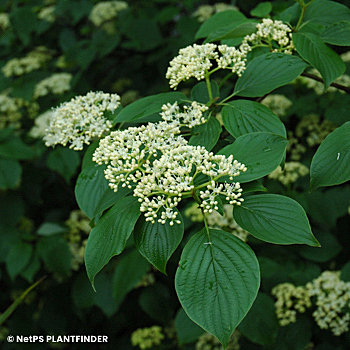
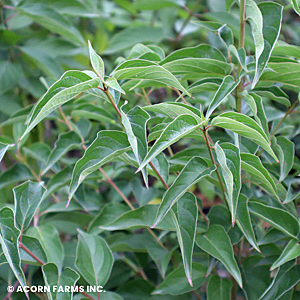
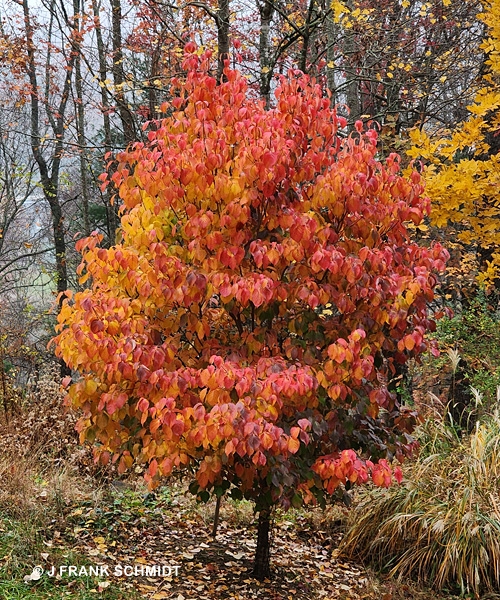
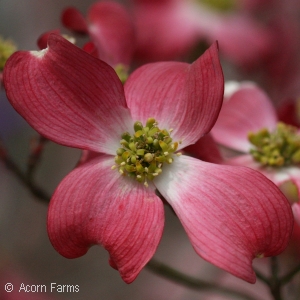
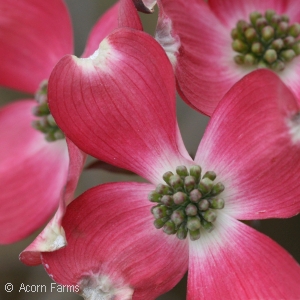
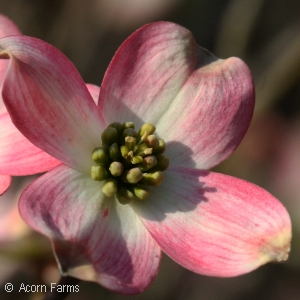
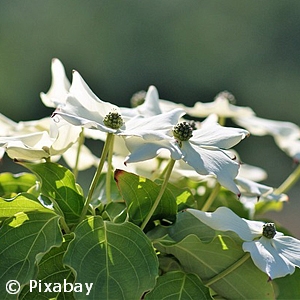
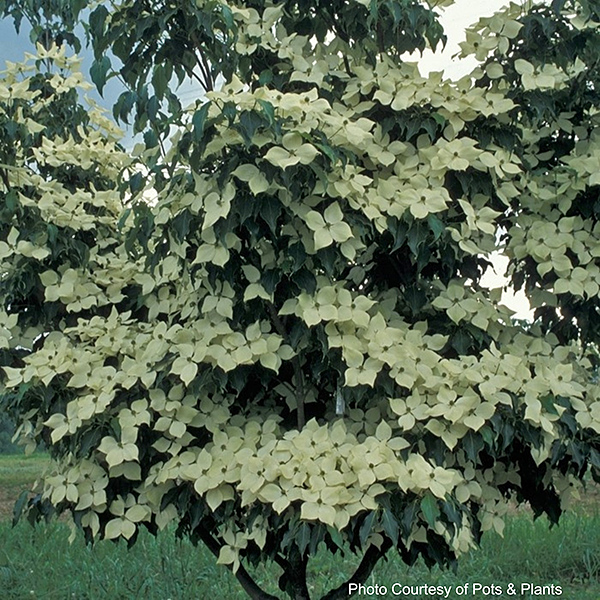
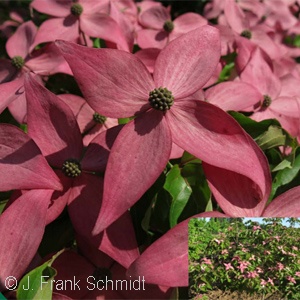
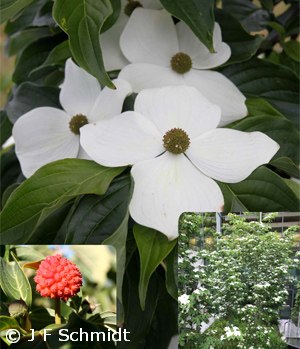
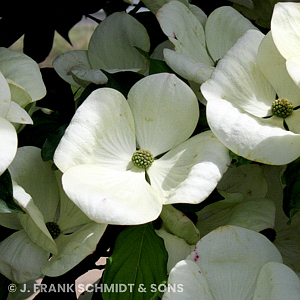
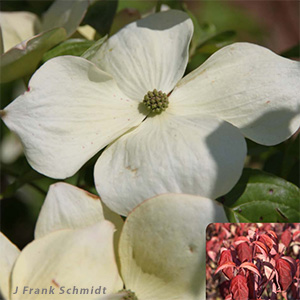
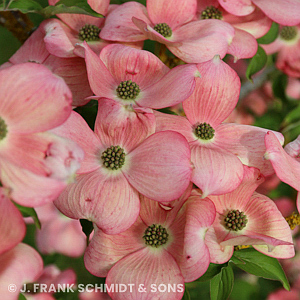
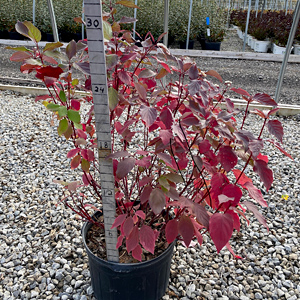
Cornus florida 'Karen's Appalachian Blush' is more commonly known as Karen's Appalachian Blush flowering dogwood. It is a stunning cultivar of the native flowering dogwood, specifically bred by the University of Tennessee for its exceptional resistance to powdery mildew. This medium sized, deciduous tree is a showstopper in early spring, producing large, overlapping bracts that appear creamy white with a delicate, soft pink blush along the edges. As the season progresses, the dark green summer foliage transitions into a spectacular display of deep red and burgundy in the autumn. Beyond its aesthetic appeal, it is a high-performing "workhorse" in the garden, offering the classic elegance of a native dogwood without the high maintenance typically required to keep fungal diseases at bay.
'Appalachian Blush' Dogwood performs best in full sun to partial shade, though a spot with morning sun and afternoon shade is often the "sweet spot" to prevent leaf scorch in hotter climates. It requires rich, acidic, and well-drained soil and benefits greatly from a thick layer of organic mulch to keep its shallow root system cool and moist. It is ideal as a focal point in a front yard, a specimen in a woodland garden, or as an understory tree nestled beneath larger oaks or maples.
Scroll table horizontally to view all stock & quantities →
| PLANT |
SIZE |
TYPE |
GALENA |
ADD'L |
DIG |
SOON |
| CORNUS FLO APPALACHIAN BLUSH | con 3 | | 19 | 0 | 0 | 0 |
| CORNUS FLO APPALACHIAN BLUSH | con 5 | | 14 | 0 | 0 | 0 |
Current inventory will be listed above this line. Contact Sales Rep for details. |
Click for key & info
KEY:
con = containers - available now
Galena = Above ground and available now
Additional = Remote location, call rep. Not in Shop.
Dig = Still in ground, call rep. Not in Shop (in orange).
Soon = Coming soon, call rep. Not in Shop.
(BBnPOT - formerly known as GRSTART - are B&B put into a container - they are available now)