THUJA PLI LUCKY FIND ACORN FARMS
LUCKY FIND WESTERN ARBORVITAE

THUJA PLI LUCKY FIND

Thuja plicata 'Lucky Find'
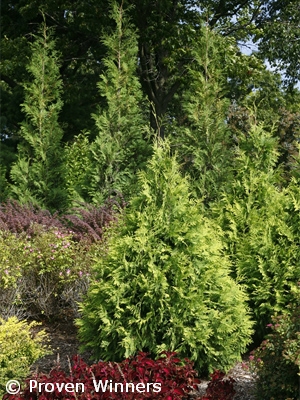
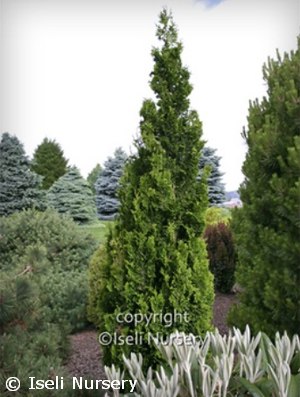
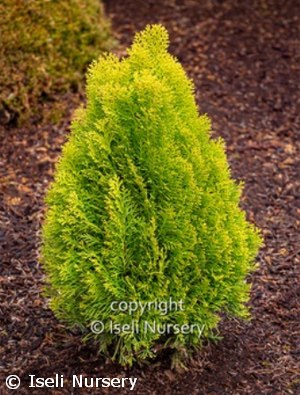
photo courtesy of Iseli Nursery

LUCKY FIND WESTERN ARBORVITAE

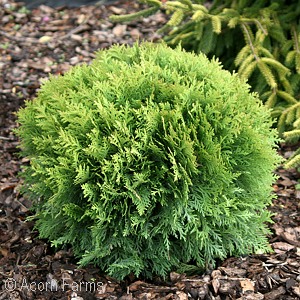
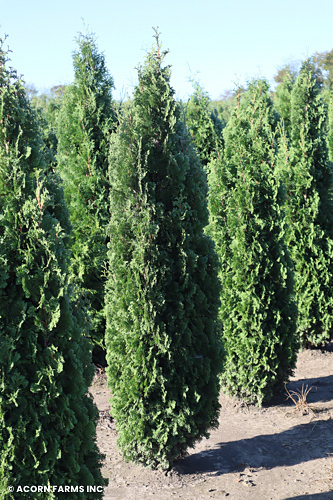
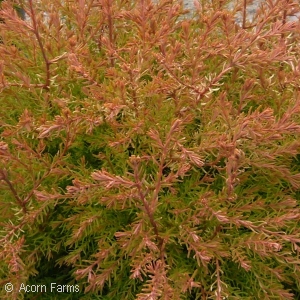
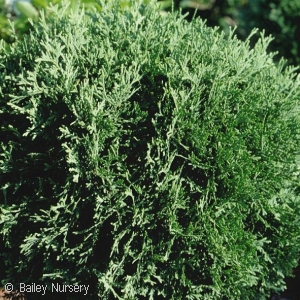
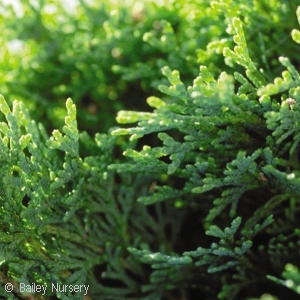
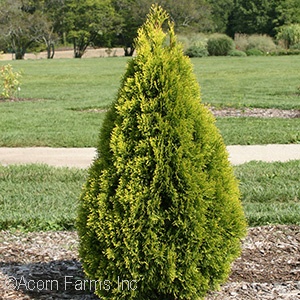
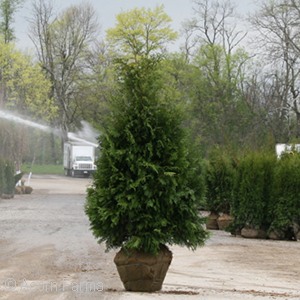
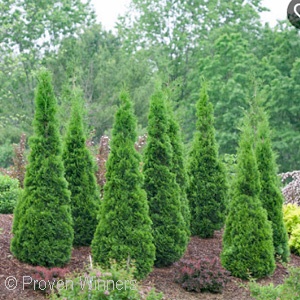
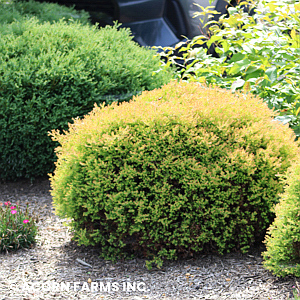
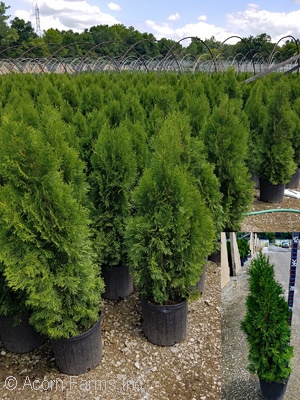
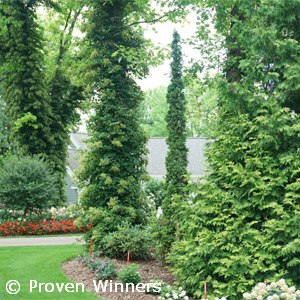
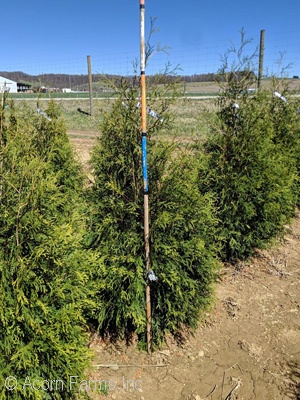
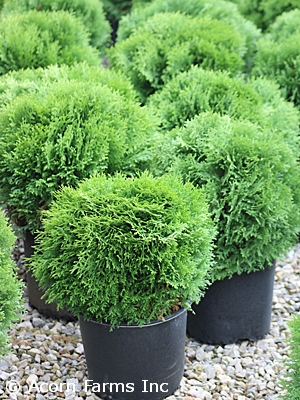
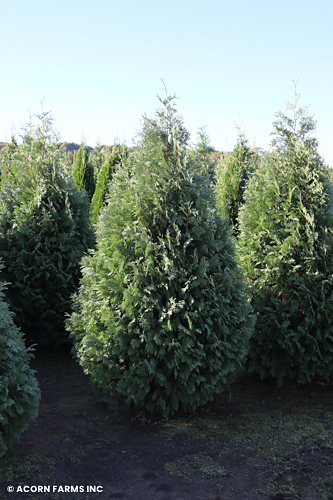
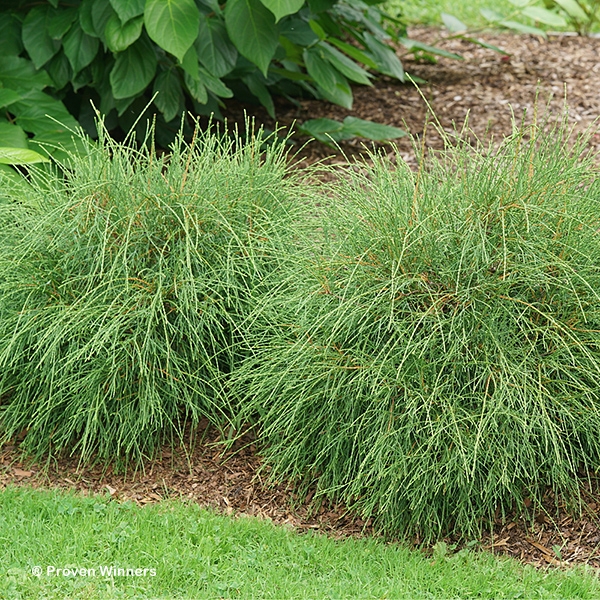
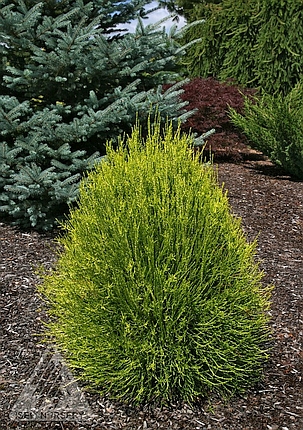
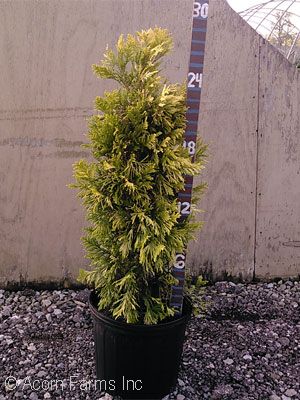
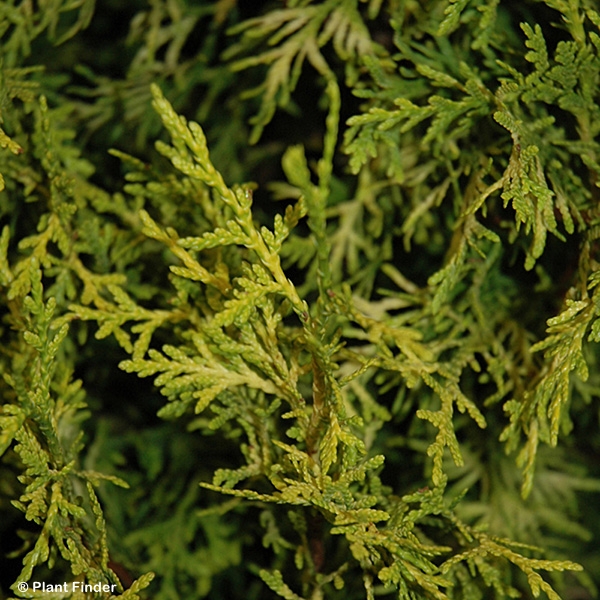
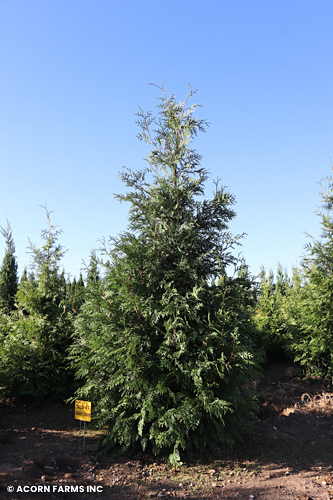
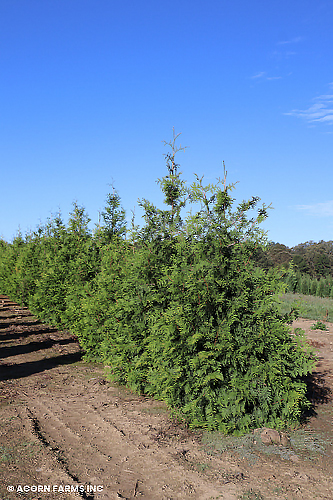
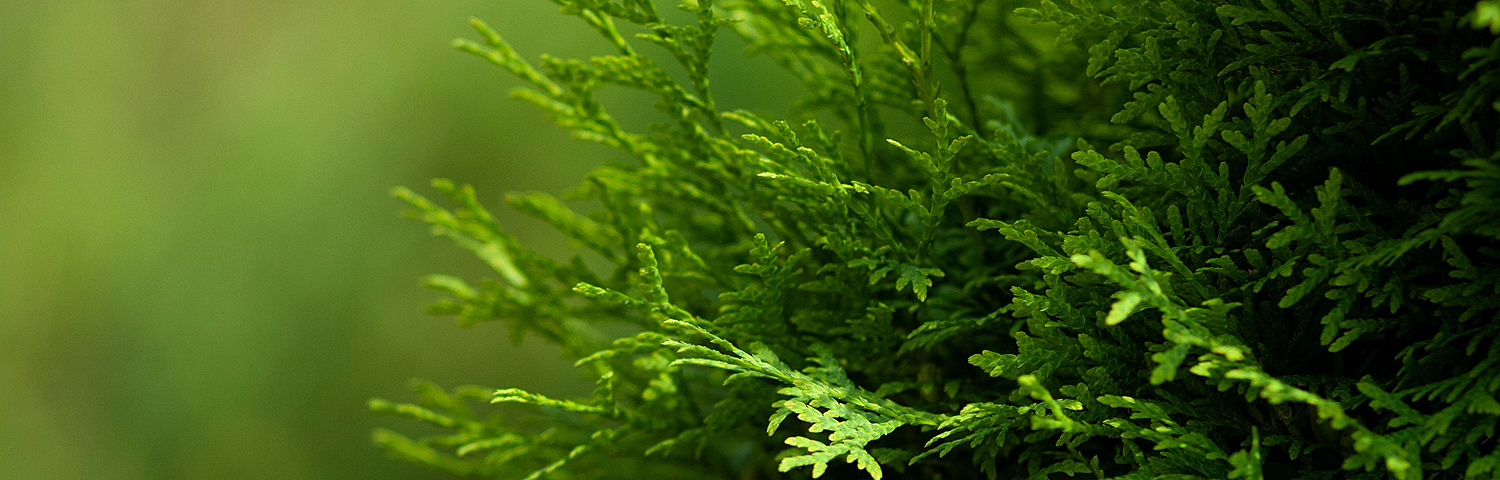
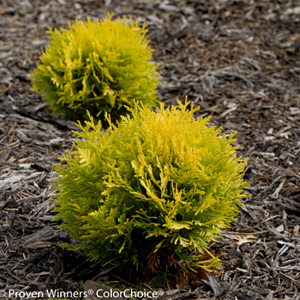
Thuja plicata 'Lucky Find' (Western Redcedar) is a striking, colorful evergreen conifer known for its dynamic foliage and broadly pyramidal structure. Emerging with vibrant bright yellow-gold tips over soft green sprays, it provides exceptional year-round visual texture. In the winter months, the interior green foliage deepens to a dark, bronze-purple shade, while the golden tips continue to pop against the darker backdrop. Growing at a moderate rate to a mature size of roughly 20 feet tall and 15 feet wide, its graceful, arching branches make it a stand-out focal point or colorful hedge alternative to standard green arborvitae.

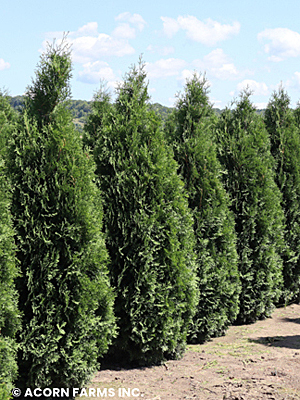
'Lucky Find' thrives in full sun to partial shade in moist, fertile, well-draining soil. Full sun brings out the brightest golden highlights, though it appreciates protection from harsh, dry wind and extreme heat. As a Thuja plicata derivative, it shows better natural resistance to bagworms and deer browsing than eastern arborvitae (Thuja occidentalis), though heavy deer pressure may still warrant protection while young. Its ideal spot in the landscape is as an eye-catching specimen tree, a colorful evergreen backdrop in large mixed borders, or planted in rows for a dense, colorful privacy screen.
Scroll table horizontally to view all stock & quantities →
PLANT SIZE TYPE GALENA ADD'L DIG SOON
THUJA PLI LUCKY FINDcon 51000

Current inventory will be listed above this line. Contact Sales Rep for details. |

KEY:
con = containers - available now
Galena = Above ground and available now
Additional = Remote location, call rep. Not in Shop.
Dig = Still in ground, call rep. Not in Shop (in orange).
Soon = Coming soon, call rep. Not in Shop.

(BBnPOT - formerly known as GRSTART - are B&B put into a container - they are available now)


Planting Tips ⓘ

To help this plant settle in and thrive, we recommend these standard planting practices: Plant in fertile, well-draining soil, selecting a location that receives full sun to partial shade for the best foliage density and color. These evergreen species are adaptable, but they require consistent moisture to remain healthy and vibrant, particularly during the first few growing seasons until the root system is well established. Prune in late winter or early spring to remove dead wood or to lightly shape the plant, avoiding deep cuts into old wood where foliage will not regrow. Apply a layer of organic mulch around the root zone to conserve moisture and suppress weeds, taking care to keep the material a few inches away from the crown to prevent stem rot.


More in this Genus:


β˜… ON SALE β˜