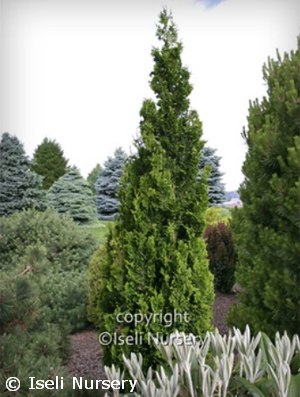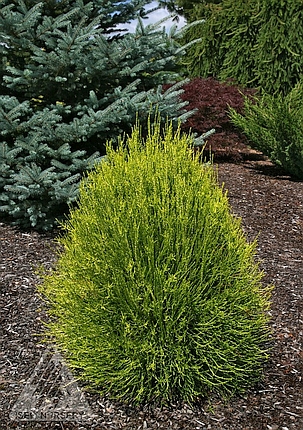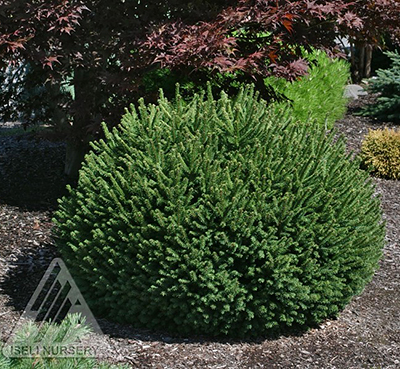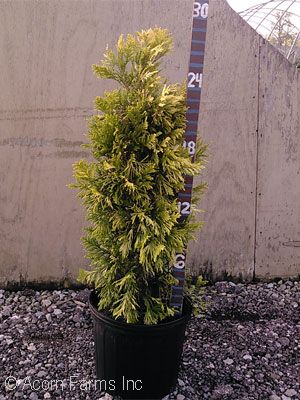
THUJA OCC PANCAKE ACORN FARMS
PANCAKE™ AMERICAN ARBORVITAE

THUJA OCC PANCAKE

Thuja occidentalis 'Concesarini' PP24,013 Pancake™
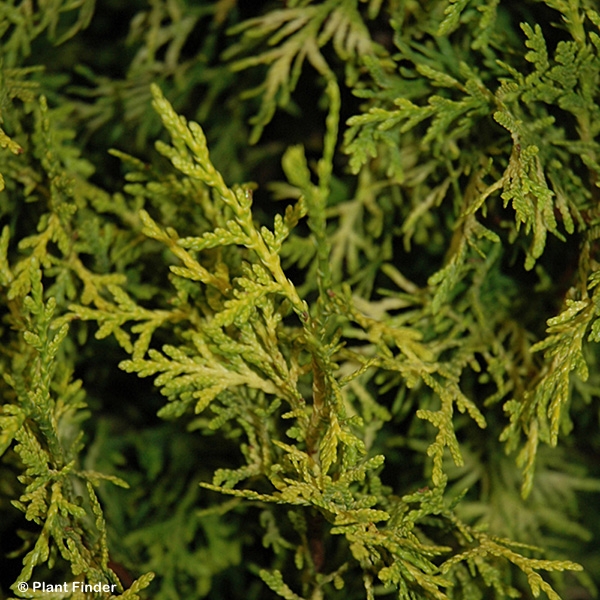
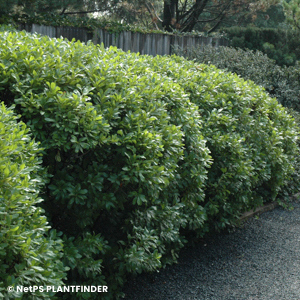
photo courtesy of Plant Finder

PANCAKE™ AMERICAN ARBORVITAE

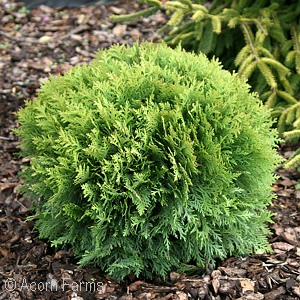
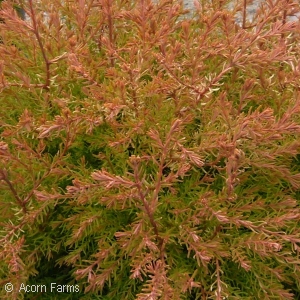
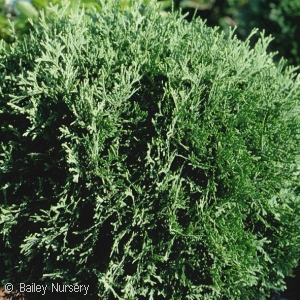
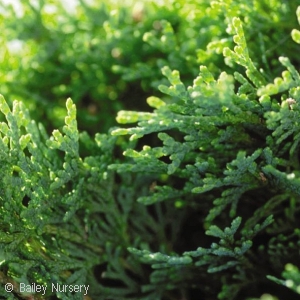
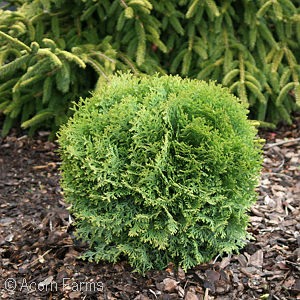
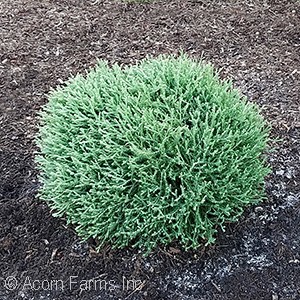
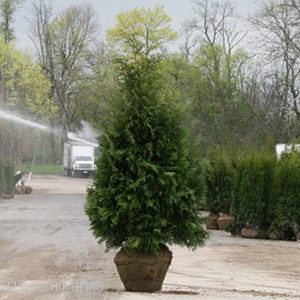
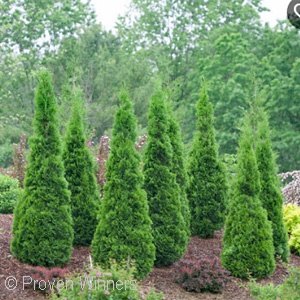
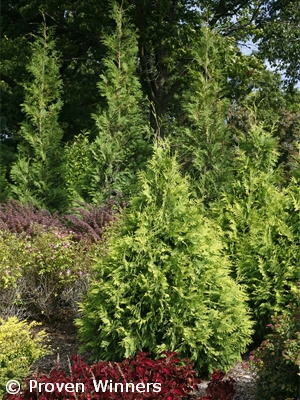
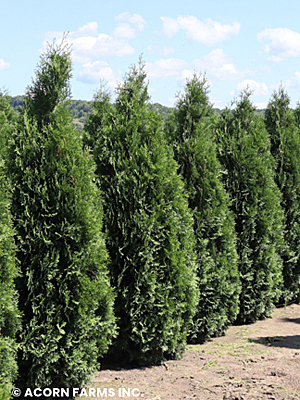
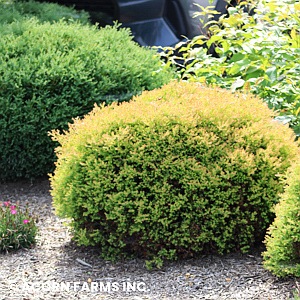
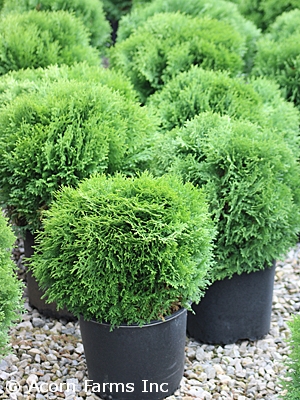
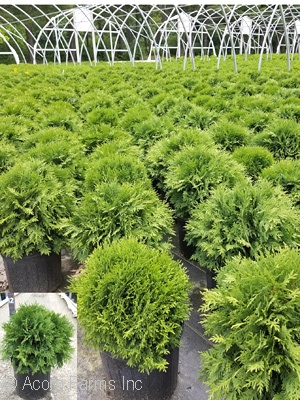
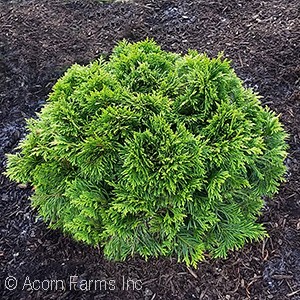
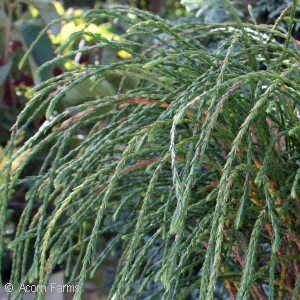
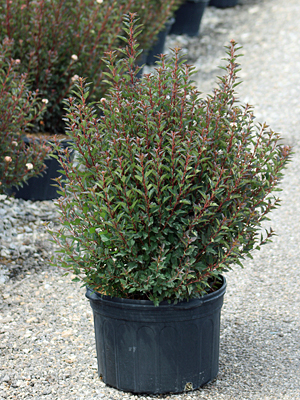
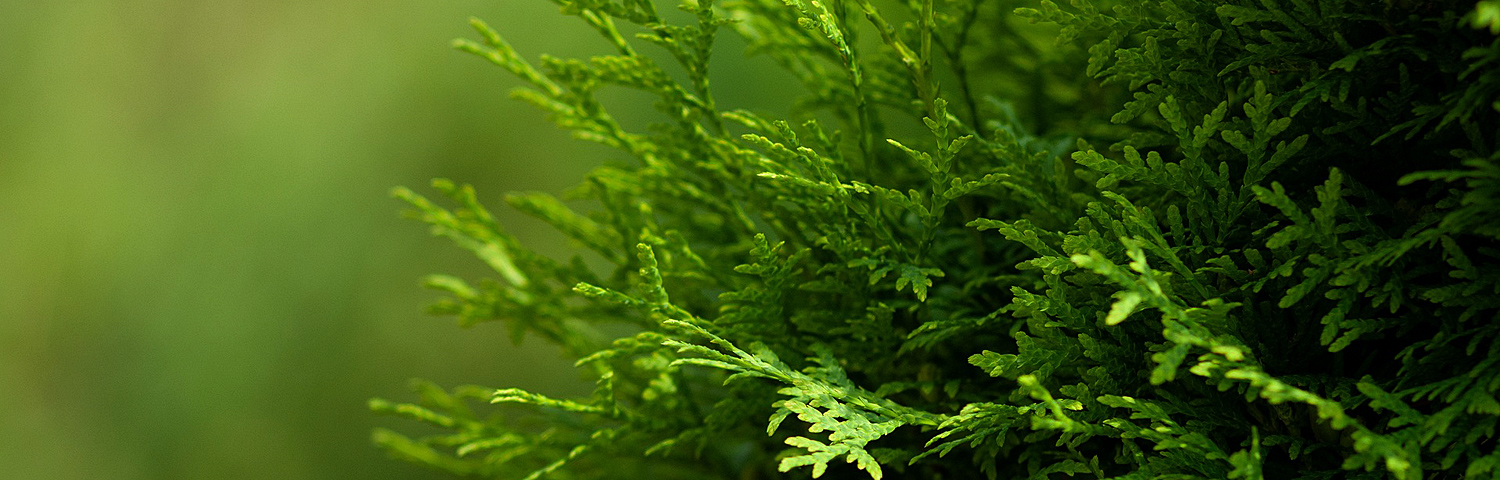
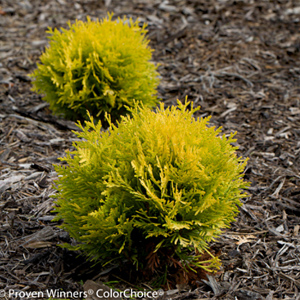
Pancake™ American Arborvitae is a charming, ultra-dwarf cultivar of the American Arborvitae that lives up to its name with a distinctively flat, spreading habit. It grows in low, dense mounds of scale-like foliage that creates a soft, mossy texture in the garden. While it remains a crisp, bluish-green throughout the spring and summer, the foliage undergoes a dramatic seasonal shift in the winter, taking on attractive bronze or smoky-purple hues. Because it typically only reaches a height of 24-30 inches with a spread of about 24-30 inches, it is an exceptional choice for rock gardens, low borders, or as a structural groundcover that requires virtually no pruning to maintain its shape.

Pancake™ Arborvitae thrives in full sun to partial shade with well-draining, moist soil. While it is adaptable to various soil types, it performs best in neutral to slightly alkaline conditions, and like most Thujas, it does not tolerate extreme drought well. The best location is one with consistent moisture and good air circulation.
Scroll table horizontally to view all stock & quantities →
PLANT SIZE TYPE GALENA ADD'L DIG SOON
No current sizes listed in database.

Current inventory will be listed above this line. Contact Sales Rep for details. |

KEY:
con = containers - available now
Galena = Above ground and available now
Additional = Remote location, call rep. Not in Shop.
Dig = Still in ground, call rep. Not in Shop (in orange).
Soon = Coming soon, call rep. Not in Shop.

(BBnPOT - formerly known as GRSTART - are B&B put into a container - they are available now)


Planting Tips ⓘ

To help this plant settle in and thrive, we recommend these standard planting practices: Plant in fertile, well-draining soil, selecting a location that receives full sun to partial shade for the best foliage density and color. These evergreen species are adaptable, but they require consistent moisture to remain healthy and vibrant, particularly during the first few growing seasons until the root system is well established. Prune in late winter or early spring to remove dead wood or to lightly shape the plant, avoiding deep cuts into old wood where foliage will not regrow. Apply a layer of organic mulch around the root zone to conserve moisture and suppress weeds, taking care to keep the material a few inches away from the crown to prevent stem rot.


ALSO AVAILABLE:


β˜… ON SALE β˜