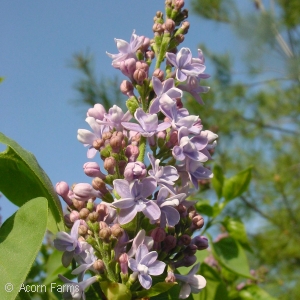
SYRINGA VULGARIS ACORN FARMS

COMMON LILAC
SYRINGA VULGARIS

Syringa vulgaris

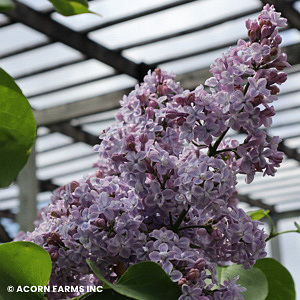
photo copyright Acorn Farms Inc
SYRINGA VULGARIS
Genus: SYRINGA
trademark info Protected Series:
Height: 8-10 Feet Tall
Spread: 8-10 Feet Wide
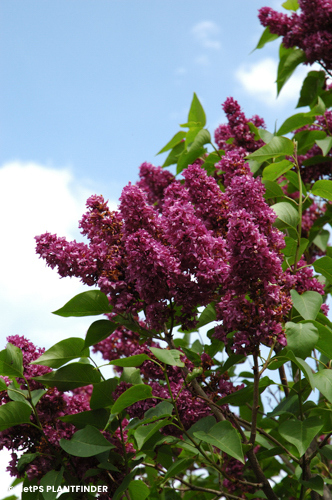
Color: purple flower
Part Sun Shade Plants
Part Sun Shade Deciduous Shrub Plants
Deciduous Shrub
Zone: 3
#1410  
             fragrant *


COMMON LILAC


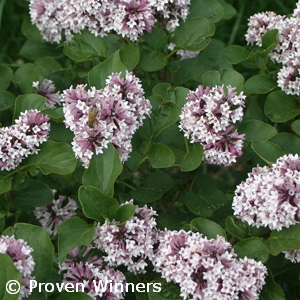
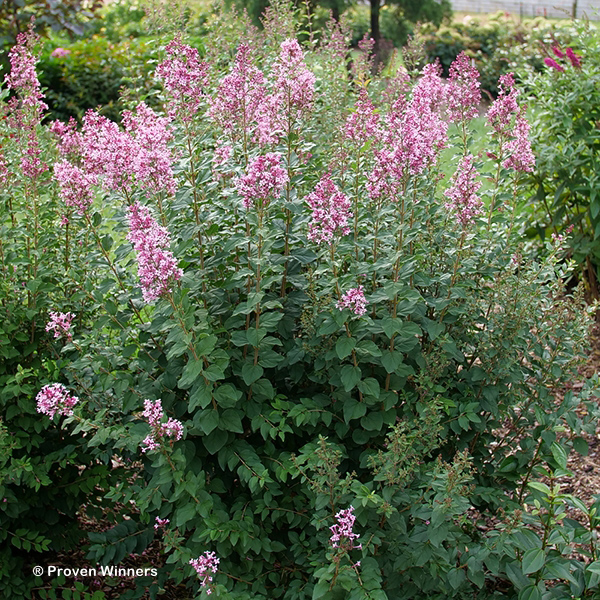
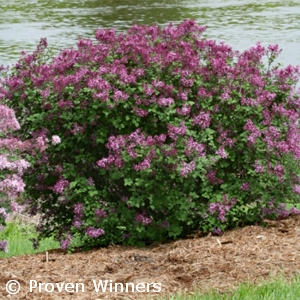
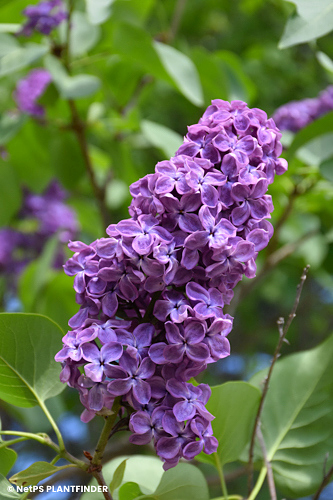
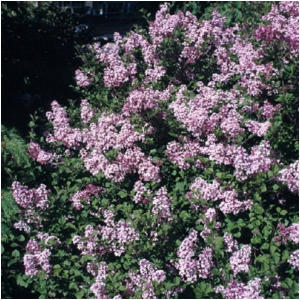
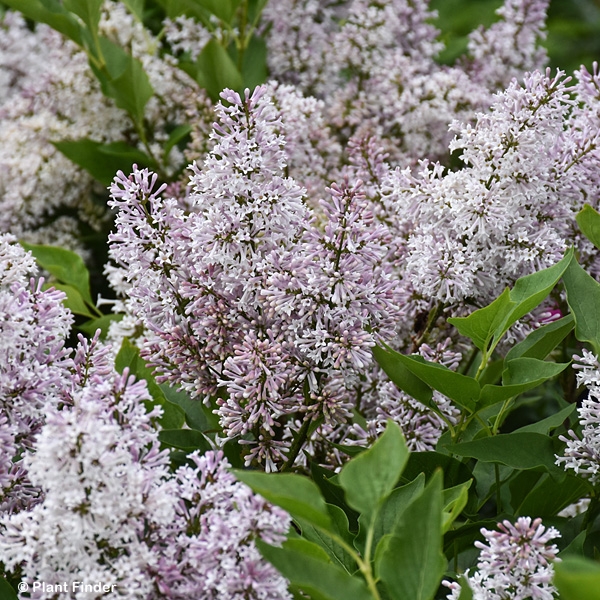
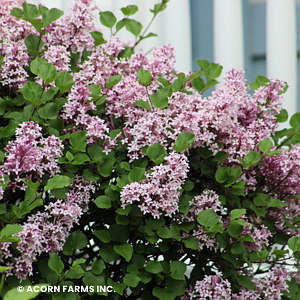
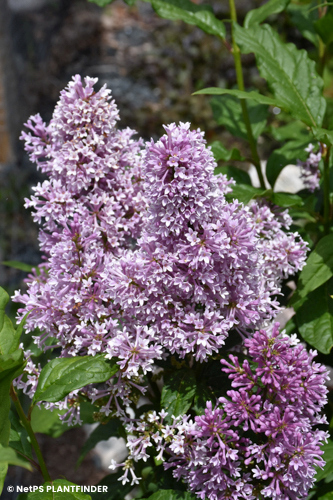
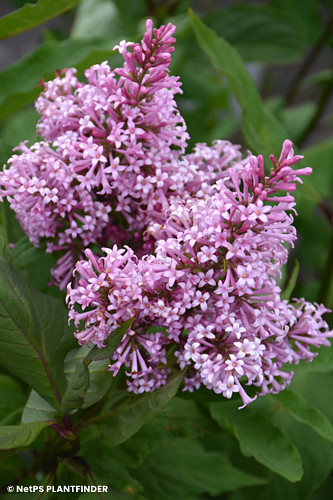
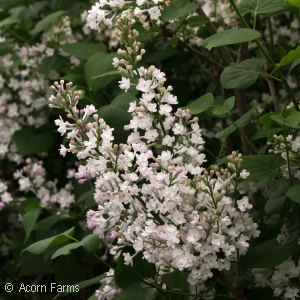
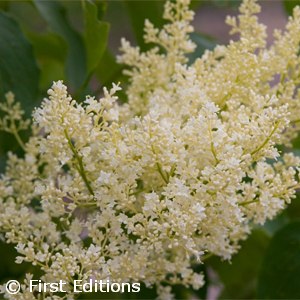
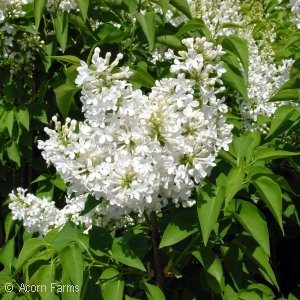
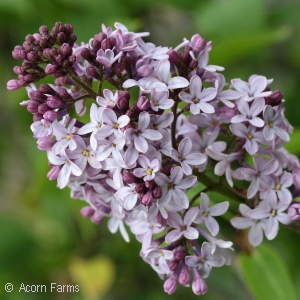
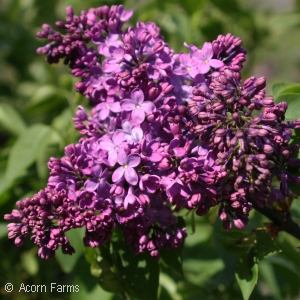
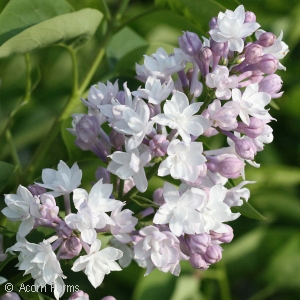
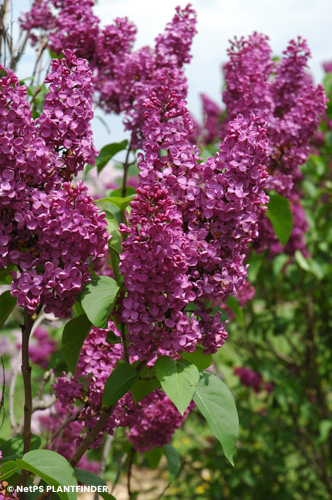
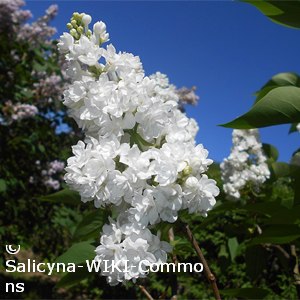
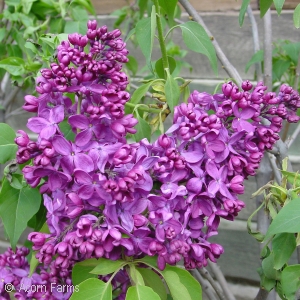
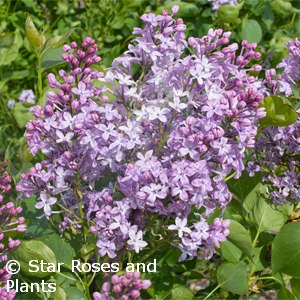
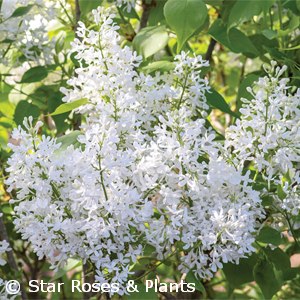
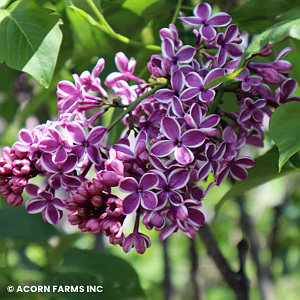
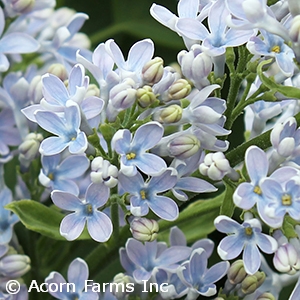
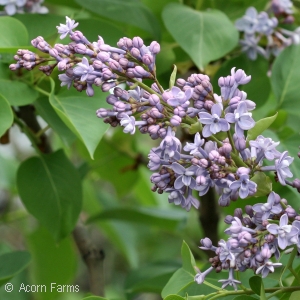
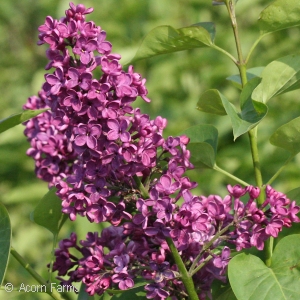
Syringa vulgaris is commonly referred to as Common Lilac. The Common Lilac has been prized forever for its highly fragrant and very showy clustered panicle blooms from mid spring to early summer. Flowers are formed on the previous season's growth so prune immediately after flowering to best avoid pruning next spring's buds. Dark green to blue-green heart-shaped leaves stay attractive through the growing season and are deer resistant.

Syringa vulgaris thrives in full sun in rich, fertile, evenly moist, well-drained soils. It can tolerate light shade, but the best flower production is in full sun. They need a long period of winter chill to form buds to maturity so this selection may not be well-suited for Southern, hot climates.


PLANT SIZE TYPE GALENA ADD'L DIG SOON
SYRINGA VULGARIS con 574000

Current inventory will be listed above this line. This plant will not be in the cart if there is no Galena stock listed. Contact Sales Rep for details.

KEY:
con = containers - available now
Galena = Above ground and available now
Additional = Remote location, call rep. Not in Shop.
Dig = Still in ground, call rep. Not in Shop (in orange).
Soon = Coming soon, call rep. Not in Shop.

(BBnPOT - formerly known as GRSTART - are B&B put into a container - they are available now)


Syringa (Lilac) Varieties: Dwarf Korean - Meyer Lilacs  |  Hybrid Lilacs |  Japanese Tree Lilacs  |  Peking Tree Lilacs  |  Persian Lilacs  |  Preston Lilacs  |  Old Fashioned Lilacs  |  Bloomerang Lilacs


Planting Tips

To help this plant settle in and thrive, we recommend these standard planting practices: Plant in well-draining soil with a slightly acidic pH. Water regularly, but avoid overwatering. Fertilize in the spring with a balanced fertilizer to promote healthy growth. Prune in the fall to maintain shape and encourage new growth.


Available cultivars in this genus: