ROYALTY LILAC
SYRINGA PRE ROYALTY
Syringa x prestoniae 'Royalty'
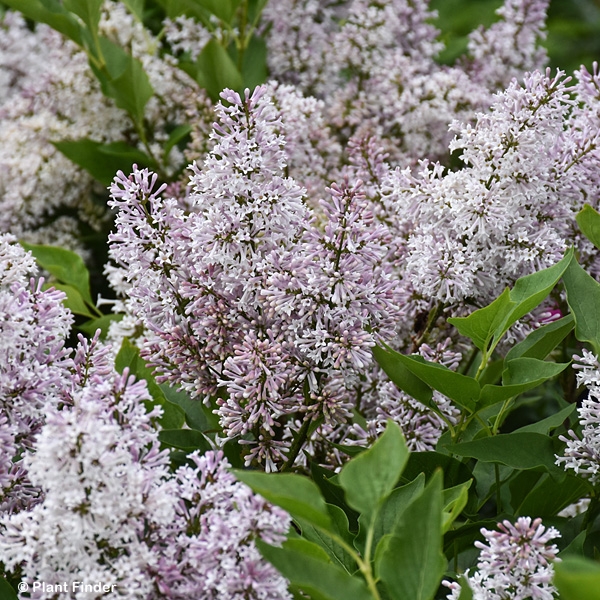
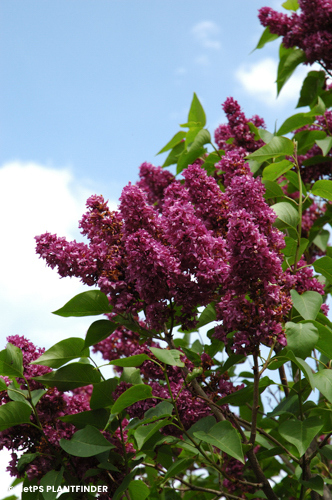
photo courtesy of PlantFinder
ROYALTY LILAC
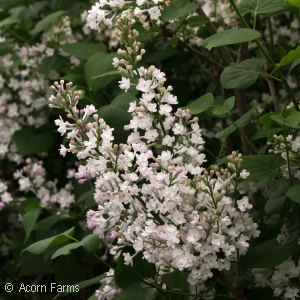
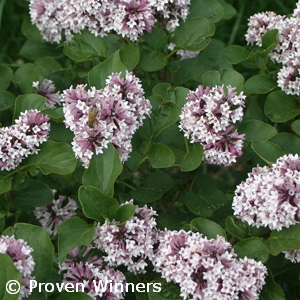
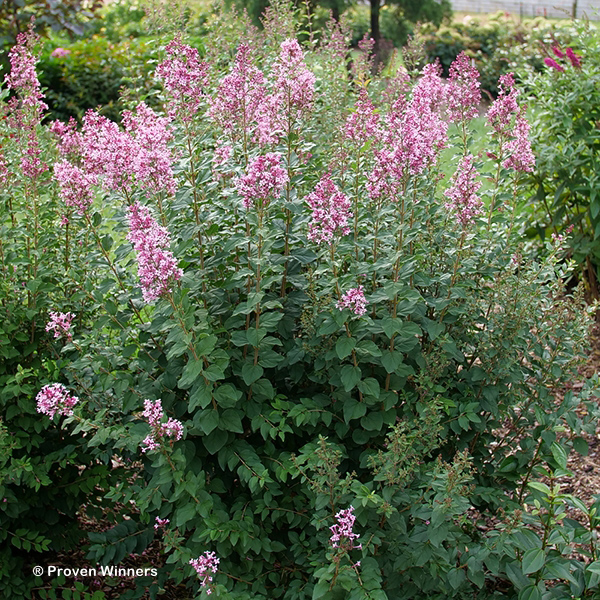
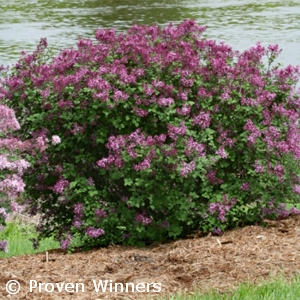
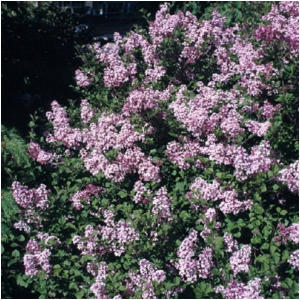
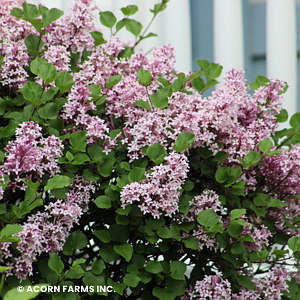
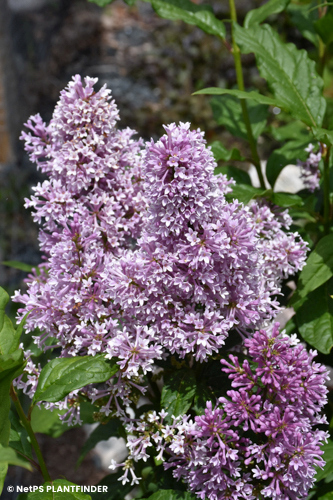
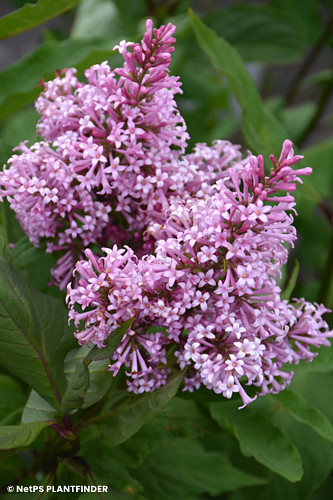
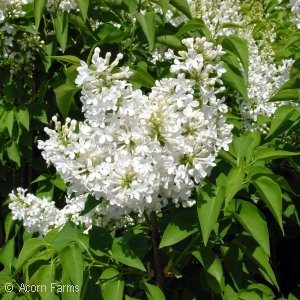
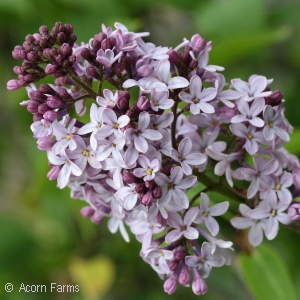
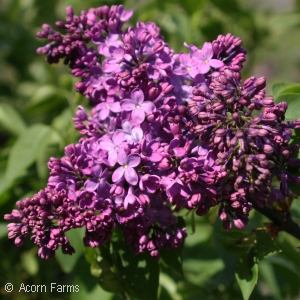
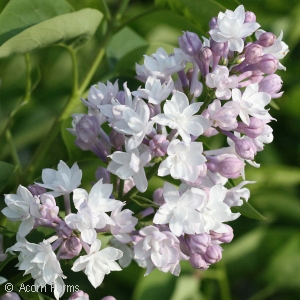
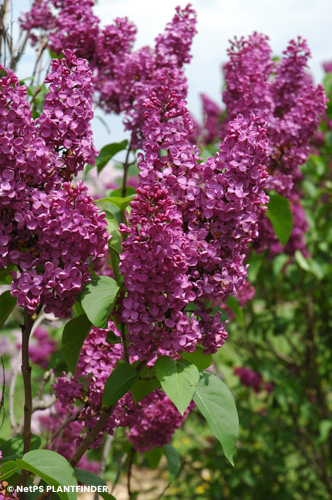
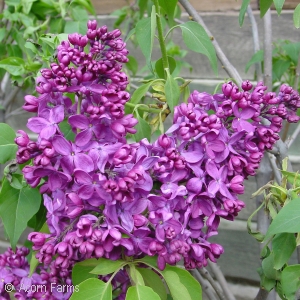
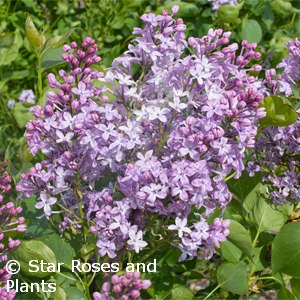
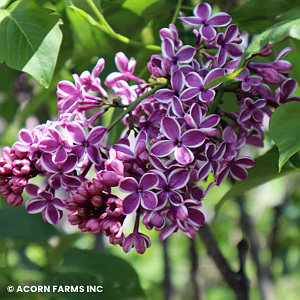
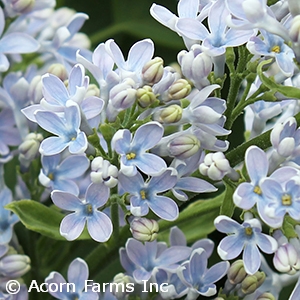
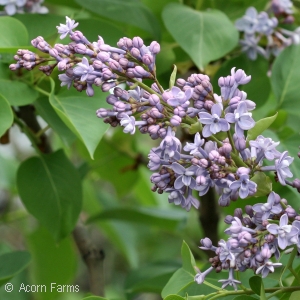
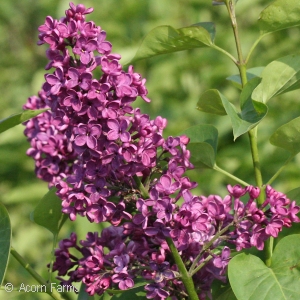
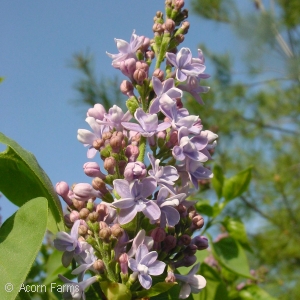
Syringa x prestoniae 'Royalty' is a robust, late-blooming lilac that stands out for its deep, intense color and superior performance in cooler climates. Unlike common lilacs that can sometimes struggle with mildew or sparse blooming, 'Royalty' is prized for its tight, upright habit and long, cone-shaped panicles of vibrant, deep purple-red buds that open into rich, reddish-purple florets. Its foliage is broad, dark green, and notably disease-resistant, providing a handsome structural presence even when the plant is not in flower. Because it blooms later than Syringa vulgaris varieties, it is an excellent choice for extending the "lilac season" and avoiding the risk of late spring frost damage to the buds.
To ensure peak performance, 'Royalty' should be sited in a location that receives full sun, which is critical for maximum bud set and disease prevention. It thrives in fertile, neutral to slightly alkaline, well-draining soil; while it is quite adaptable, it dislikes heavy, waterlogged clay, so ensure the planting site is properly amended for drainage. Hardy in USDA Zones 2 through 8, 'Royalty' is exceptionally cold-hardy and requires minimal fuss once established.
Scroll table horizontally to view all stock & quantities →
| PLANT |
SIZE |
TYPE |
GALENA |
ADD'L |
DIG |
SOON |
| SYRINGA PRE ROYALTY | con 3 | | 45 | 0 | 0 | 0 |
Current inventory will be listed above this line. Contact Sales Rep for details. |
Click for key & info
KEY:
con = containers - available now
Galena = Above ground and available now
Additional = Remote location, call rep. Not in Shop.
Dig = Still in ground, call rep. Not in Shop (in orange).
Soon = Coming soon, call rep. Not in Shop.
(BBnPOT - formerly known as GRSTART - are B&B put into a container - they are available now)