RUBUS IDA WILLAMETTE ACORN FARMS

WILLAMETTE RED RASPBERRY
RUBUS IDA WILLAMETTE

Rubus idaeus var. strigosus 'Willamette'

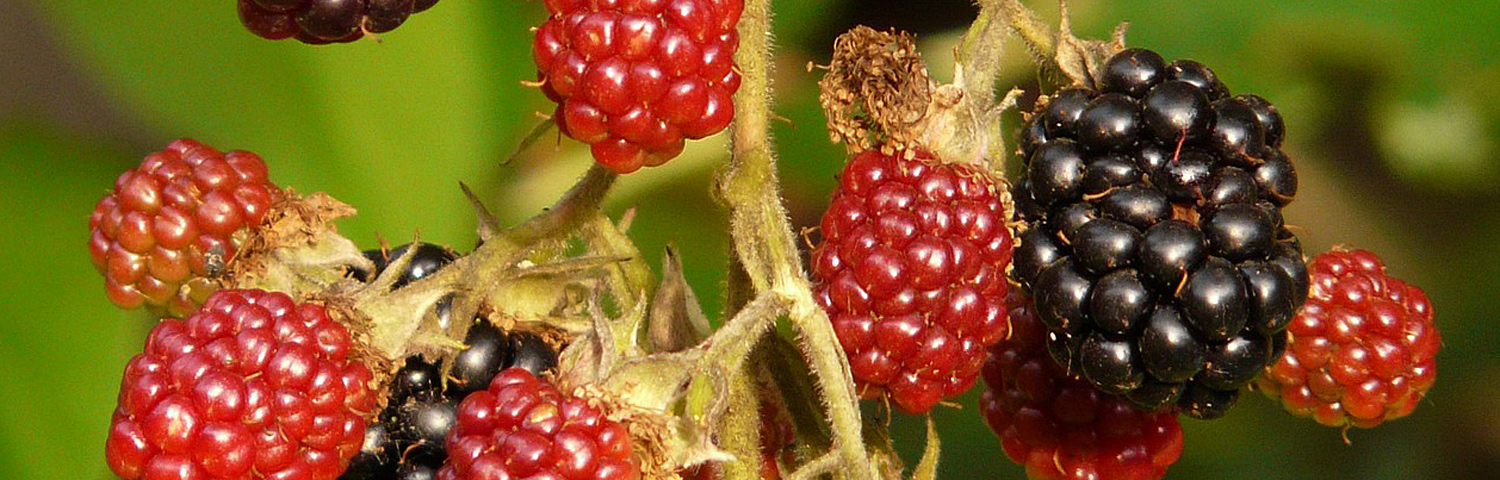
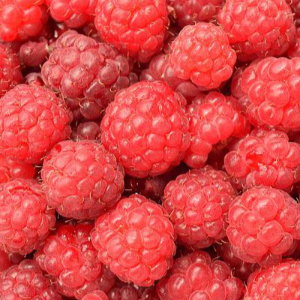
photo courtesy of Pixabay
RUBUS IDA WILLAMETTE
Genus: RUBUS
trademark info Protected Series:
Height: 5-6 Feet Tall
Spread: 7-8 Feet Wide
Color: red raspberry fruit
Full Sun Plants
Full Sun Deciduous Shrub Plants
Deciduous Shrub
Zone: 4
#1818  
   edible fruit *          


WILLAMETTE RED RASPBERRY


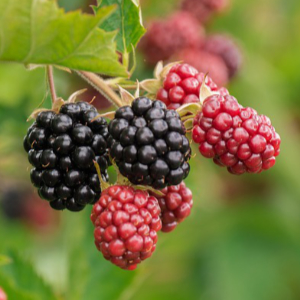
Rubus idaeus var. strigosus 'Willamette' is commonly referred to as Willamette Raspberry. It is noteworthy for being a prolific producer of large, dark red raspberries in midsummer to fall. Its hardy canes and beautifully textured foliage makes this plant stand out. Tasty red raspberries are perfect for fresh eating, jams, jellies and pies.

Willamette Red Raspberry is a thorny, self-pollinating variety that thrives in full sun in rich, organic, evenly moist, well-drained soils.


PLANT SIZE TYPE GALENA ADD'L DIG SOON
RUBUS IDA WILLAMETTE con 2174000

Current inventory will be listed above this line. This plant will not be in the cart if there is no Galena stock listed. Contact Sales Rep for details. |

KEY:
con = containers - available now
Galena = Above ground and available now
Additional = Remote location, call rep. Not in Shop.
Dig = Still in ground, call rep. Not in Shop (in orange).
Soon = Coming soon, call rep. Not in Shop.

(BBnPOT - formerly known as GRSTART - are B&B put into a container - they are available now)


Berries:
Blackberry  |  Boysenberry/Marionberry  |  Blueberry  |  Raspberry

Cherries and Grapes:
Cherries  |  Grapes

Fruit Trees:
Apple Tree  |  Apricot Tree  |  Peach Tree  |  Pear Tree  |  Plum Tree


Planting Tips

To help these plants settle in and thrive, we recommend these standard planting practices: Plant in deep, fertile, well-draining, slightly acidic soil, selecting a location that receives full sun to promote the best fruit color and production. These brambles require consistent moisture to remain healthy and productive, particularly during fruit development, so provide irrigation during dry periods. While they are adaptable, they do not tolerate waterlogged soil, which can lead to root diseases.

Maintenance is largely similar, though pruning strategies depend on whether the variety is primocane-bearing (producing fruit on first-year canes) or floricane-bearing (producing fruit on second-year canes). Prune out spent canes after harvest or in late winter to maintain vigor and prevent overcrowding. Apply a layer of organic mulch around the root zone to conserve moisture and suppress weeds, taking care to keep the material a few inches away from the crown to prevent stem rot. Support systems like trellises are often necessary for both to manage growth and keep berries off the ground.


ALSO AVAILABLE:


★ ON SALE ★