
ROSA BATHSHEBA ER ACORN FARMS
BATHSHEBA® ENGLISH ROSE

ROSA BATHSHEBA ER

Rosa Bathsheba® (Auschimbley)

BATHSHEBA® ENGLISH ROSE

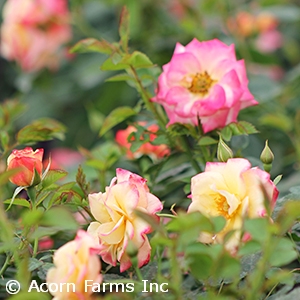
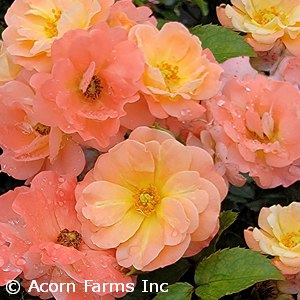
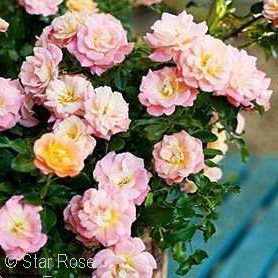
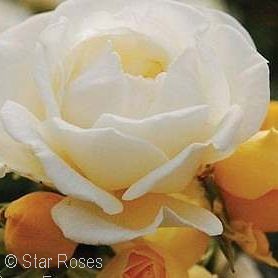
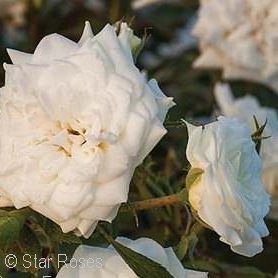
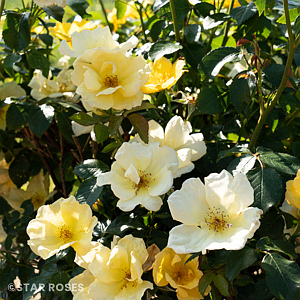
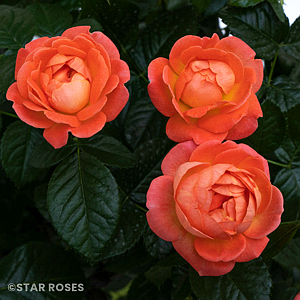
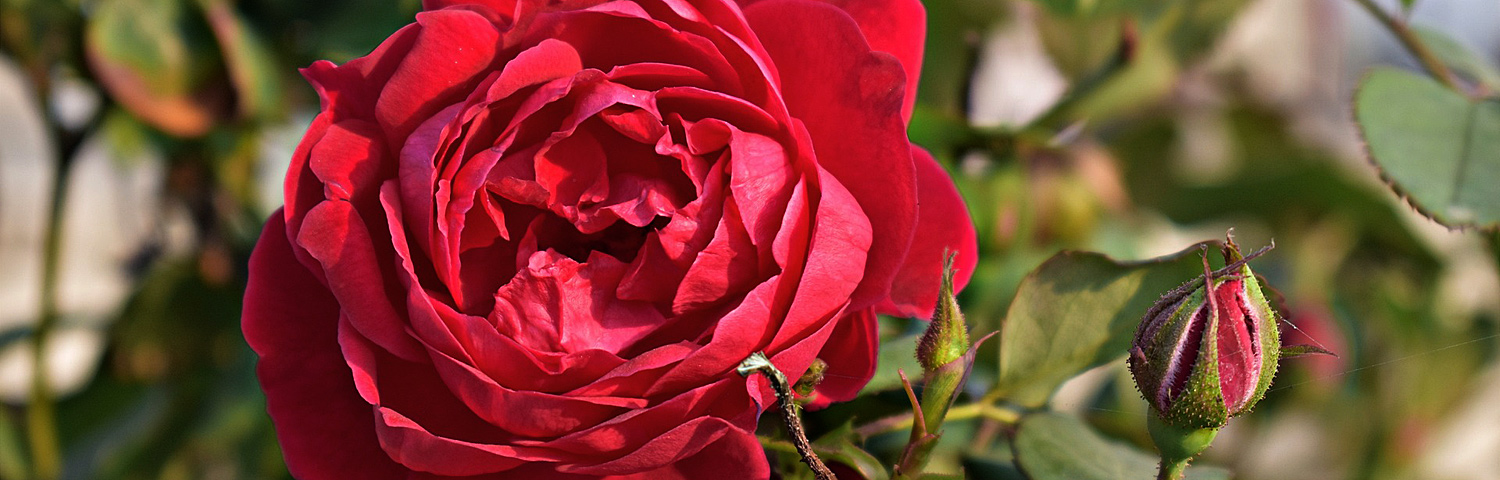
Introduced in 2016 by renowned British breeder David Austin, Rosa 'Bathsheba' ('AUSchimbley') is an exceptional English climbing rose celebrated for its densely petaled, old-world rosette morphology and complex fragrance. Fragrant flowers open from peachy-apricot buds to a rich apricot.

Bathsheba® is classified as a vigorous, short-to-medium climber, typically reaching 8 to 10 feet in height with a 3 to 4 foot spread. Unlike older, stiff-caned climbers that bloom only once on previous seasons' wood, Bathsheba® demonstrates reliable repeat flowering from late spring until frost, producing blooms both along its arched main canes and on lateral shoots. Its flexible, manageable canes make it particularly well suited for training horizontally along 6-foot walls, fences, pillars, or entry arches, where horizontal tying encourages apical dominance to break along the stem and maximize flower production at eye level.
Scroll table horizontally to view all stock & quantities →
PLANT SIZE TYPE GALENA ADD'L DIG SOON
No current sizes listed in database.

Current inventory will be listed above this line. Contact Sales Rep for details. |

KEY:
con = containers - available now
Galena = Above ground and available now
Additional = Remote location, call rep. Not in Shop.
Dig = Still in ground, call rep. Not in Shop (in orange).
Soon = Coming soon, call rep. Not in Shop.

(BBnPOT - formerly known as GRSTART - are B&B put into a container - they are available now)


ROSE TYPES:
New!   |   Climbing   |   English   |   Floribunda   |   Grandiflora   |   Groundcover   |   Hybrid Tea   |   Knock Out   |   Miniature   |   Rugosa   |   Shrub

ROSE COLOR:
Coral   |   Lavender   |   Mixed   |   Orange   |   Pink   |   Red   |   Salmon   |   White   |   Yellow


Planting Tips ⓘ

To help this plant settle in and thrive, we recommend these standard planting practices: Select a planting site that receives at least six hours of direct sunlight daily and features rich, fertile, well-draining soil, positioning the plant roughly 18 inches away from any supporting wall, fence, or trellis to allow for proper air circulation and root expansion.

Dig a generous planting hole about twice as wide as the root ball and deep enough so that the graft union sits level with or 1 to 2 inches below the soil surface in colder climates for added winter protection. Backfill with native soil amended with compost or organic matter, firming gently around the roots before watering deeply to eliminate air pockets. Finish with a 2 to 3 inch layer of organic mulch around the base, keeping it pulled back a few inches from the main canes to prevent moisture-related rot, and begin tying the flexible shoots horizontally to your support structure as they establish.


More in this Genus:


β˜… ON SALE β˜